Ultimate Guide to Dog Coat Types
One of the key charactistics the Kennel Club use to differentiate between breeds is their coat type, and this goes far beyond just colours or markings. Different dog breed’s have coats that vary in length, texture, layers, and some dogs have no coat at all!
In our ultimate guide to dog coats and grooming, we look at the different coat types according to the Kennel Club’s distinctions, and how to properly care for each kind. So whether you’re looking for a dog with a low maintenance coat or want to learn how to groom a long-haired rescue dog, you can find all the information right here.
Contents:
- Understanding Undercoats
- Dog Coats by Length
- Smooth-Coated Dogs
- Short-coated Dogs
- Wire-Coated Dogs
- Arctic & Double-Coated Dogs
- Silky-Coated Dogs
- Curly-Coated Dogs
- Corded Dog Coats
- Hairless Dogs
Do Dogs Have Fur or Hair?
Simply put, it depends on the dog. A dog’s coat is always made up of keratin (the same as human hair) and varies depending on genetic differences between breeds. So, while most dogs are considered to have fur, there are those that are considered to have hair, and the difference lies in how their coat grows:
- Dogs with fur— their coats are genetically programmed to grow to a predetermined length before stopping.
- Dogs with hair— Their coats continuously grow (sometimes for years) and can become extremely long, depending on their breed and grooming routine.
Note, just because your dog’s hair grows longer and requires trimming, doesn’t mean they have a hair coat. Spaniels for example, have fur, but can benefit from short trims in the summer months and around their ears for maintenance.
Understanding Undercoats
Most dogs have an undercoat, which is another kind of fur coat that exists beneath their outer coat (often called primary hairs or guard hairs). Both of these coats have different textures, growth cycles, and characteristics that impact how they should be groomed.
A dog’s undercoat is made of much weaker hairs that grow in and fall out multiple times a year, leading to seasonal shedding. Unlike the outer coat, undercoat hairs are usually comprised of just a cuticle and a cortex.
Most dog breeds have an undercoat, but there are some, such as poodles, who don't which makes people believe they don't shed. Dogs without an undercoat do still shed and need regular grooming, but more on this further down.
While most dogs have a double coat, regarless of their breed, some dogs breeds have triple coats, which evolved to help dogs stay warm in colder climates. Their coats are comprised of an outercoat, an undercoat, and typically a second, dense or wooly undercoat even closer to the skin.
Breeds with triple coats include Huskies, Malamutes, Pomeranians, and Chow Chows, who are known as some of the biggest shedders in the canine world.
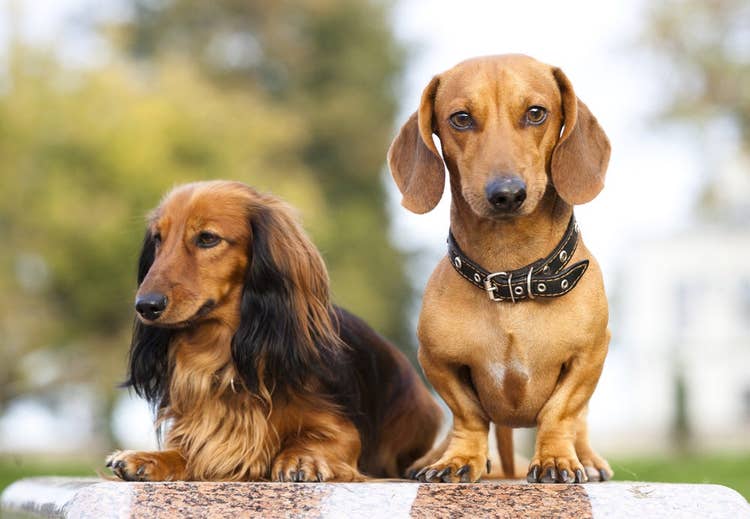
[a long-haired Dacshund lying down beside a standing short-haired Dacshund at the park]
Dog Coat Lengths
Dog coats vary massively between breeds, but something that stays consistent is length. A dog's coat tends to fall into one of three lengths:
Note, dogs having a shorter, low-maintenance coat doesn't mean they don't need grooming at all. Short haired dogs still need brushing to remove any dead hair or undercoat, as well as routine grooming like cleaning their teeth and ears, and trimming their nails.
Dogs with short coats can have an undercoat, but not all of them do. Their coats stop growing at a predetermined length and very rarely need trimming.
Most short-haired dogs will still moult, but depending on if they have an undercoat or not will greatly impact the amount the shed. Regular brushing is still needed to remove dead hair from the coat.
Dogs with medium length coats also stop growing at a certain length, but whether they need trimming will depend on how long their hair gets. They may need some trimming for hygeine purposes or around the face so they can see and eat normally.
Dogs with medium length coats may need regular brushing to prevent matting, as well as deshedding if they have an undercoat to keep matting and shedding under control.
Long-haired dogs need the most coat maintenance since their coat doesn't stop growing at a certain length, but will keep growing until it's cut. Long-haired dogs will need regular trims to keep them looking tidy and at the desired length.
Dogs with long coats also need regular brushing and combing to prevent tangles and mats in the coat.
Different Coat Textures in Dogs
The variations between different dog breeds are vast, with genetics playing a big role in how their fur or hair will look.
It's important to know that while most dogs of the same breed will have the same coat type, there are instances where their coats can vary.
For example, Dacshunds come in three variaties: smooth-coated, wire-coated, and long-coated. While these dogs are technically the same breed, their coat types vary drastically and their upkeep and grooming needs should be altered accordingly.
Below, we look at the main dog coat textures, what makes them unique, and how best to maintain them.
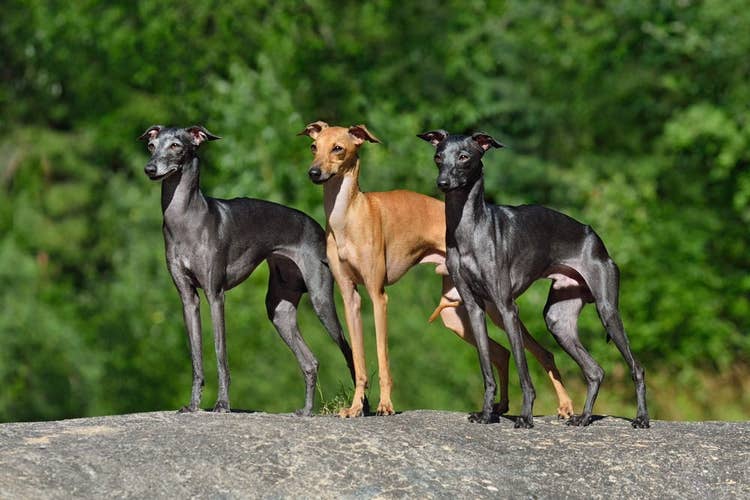
[Three different coloured, smooth-coated Whippets standing side by side on a rock (left to right: black and grey, tan, black)]
Smooth-Coated Dogs
Smooth-coated dogs have a close, glossy coat made of outer coat hairs, and have no undercoat, which gives them a sleek, smooth look with minimal shedding. How much a smooth-coated dog sheds will depend on the specific breed. Examples of smooth-coated dog breeds include:
- Italian Greyhounds
- Boxers
- Staffordshire Bull Terriers
- Bulldogs
- Grey Hounds
- Smooth Haired Pointers
- Whippets
Smooth coated dogs have relatively low maintenance coats, only needing regular brushing to remove dead hair and skin, and a bath when necessary.
However, due to their short, close coat, smooth-coated dogs can be prone to sun damage and should have some kind of sun protection for their skin, like a dog safe sunscreen. Also, due to their lack of undercoat, smooth-coated dogs can alo benefit from a cosy dog coat to wear in the winter to help keep the chill off.
Smooth-coated dogs are relatively low maintenance with regards to grooming, since they don't have an undercoat to shed. However, smooth-coated dogs will still shed the dead hairs of their outer coat when the new hairs push them out, but this can be easily managed with regular brushing 2-3 times a week. Here are some of our top picks for smooth-coated dog coat care:
- A bristled brush like this BUSTER Boar Hair Bristle Brush to remove dead hair from their coat.
- A skin-nourhsing shampoo like this DOUXO® S3 CARE Shampoo for Dogs as smooth-coated dogs can experience dry or irritated skin.
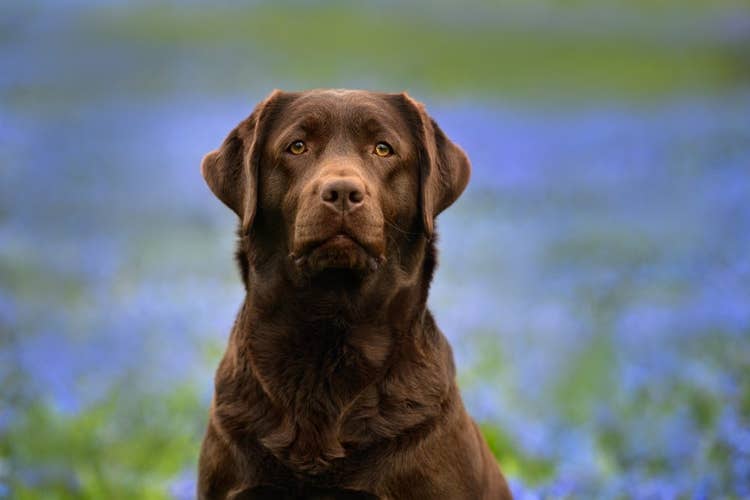
[A short-coated chocolate Labrador sitting for the camera in a field of blue flowers]
Short-Coated Dogs
Dogs such as Labrador Retrievers and German Shepherds also have short coats, but they also have an undercoat that sheds seasonally. A short-haired dog’s guard coat stops growing at a certain length, but they moult their undercoat all year-round, with even more shedding seasonally.
Some other examples of dog breeds with short coats include:
- Corgis
- Belgian Malinois
- Swedish Vallhunds
- Australian Cattle Dog
- Jack Rusell Terriers
Some new owners of these breeds can be surprised by how much they shed, considering their short coats, but with regular deshedding at home or at the groomers, they can be pretty manageable.
The biggest challenge with maintaining a short dog coat is keeping their shedding under control. Here are some of our top grooming essentials perfect for short coat care:
- A short coat shampoo, like the DotDotDog Short Coat Conditioning Shampoo for Dogs.
- A deshedding shampoo to manage seasonal shedding like this DOUXO® Skin & Coat SPA Ultra-Safe Dog Shed Control Shampoo.
- A deshedding tool: this could be a deshedding brush like BUSTER Deshedder Comb, a deshedding mit like this Mikki Short & Medium Coat Shedding Glove, or an undercoat rake like the BUSTER Flexible Undercoat Rake to remove dead undercoat and reduce shedding.
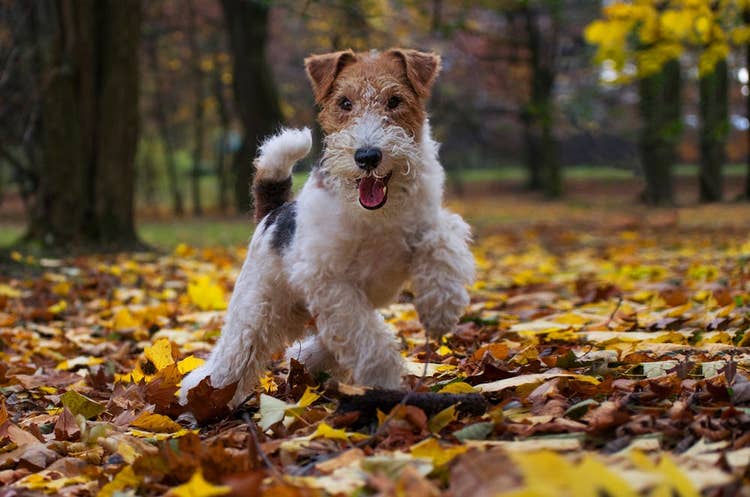
[A wire-haired Fox Terrier frolicking through autumn leaves in the woods]
Wire-Coated Dogs
Wire-coated dogs have short, bristly guard hairs that can look a bit unruly, but these coats make great protection from dirt, thorns, and the elements. Pretty handy considering many wire coated dogs are working breeds, such as:
- Wire Fox Terriers
- Wirehaired Pointing Griffons
- Border Terriers
- Wire-haired Dachshund
- Schnauzers
Due to their unique coats, wire-haired dogs don’t need brushing, but benefit from hand stripping where needed. This is a dog grooming practice that involves pulling the loose, dead hair from a wire-coated dog's outercoat with either their fingers or a stripping knife.
Wire coated dogs have unique grooming needs necessary for keeping their coat in check. Since wire-coated dogs can span a variety of breeds, some wirecoated dogs (such as shnauzers) will need regular trims to keep looking clean and tidy. The best grooming products for wire coated dogs include:
- A wire pin brush like this Mikki Neat & Tidy Ball Pin Brush or a pin brush mit like this BUSTER Palm-Style Pin Brush to remove loose hair.
- A suitable dog shampoo like the Animology® Dogs Body Shampoo to cleanse the coat without stripping natural oils . Wire-coated dogs only need bathing every 6-8 weeks (unless they've rolled in something gross) as over-bathing can strip their coats of natural oils, potentially causing skin issues.
- A good-quality stripping knife, if you're planning to groom your dog at home.
Wire coats can be difficult to groom if you haven't done so before, which is why many wiry coated dogs choose to have their dog groomed and handstripped by a professional.
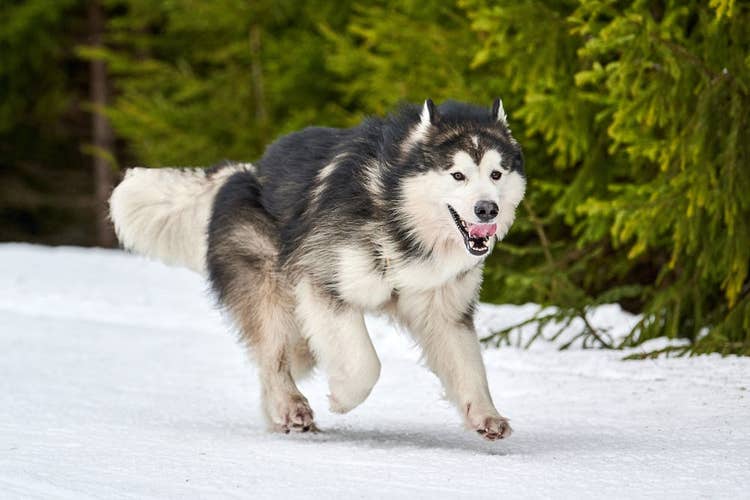
[A double-coated Alaskan Malamute running through the snow]
Arctic / Double-Coated Dogs
Many dogs breed originated in countries with a very different climate to the UK, and those who were bred in cold climates have the coat to reflect that. Dogs with a arctic or triple coat have an outer coat made up of guard hairs to repel water, as well as a short, soft, and dense undercoat (or two) that sits close to the skin and works as insulation and weatherproofing for the cold and snow.
While many dogs have an undercoat, no dog shed quite like those with double or triple coats, such as:
- Siban Huskies
- Alaskan Malamutes
- Samoyeds
- American Eskimo Dogs
As you may have guessed, the biggest challenge for any dog owner with an arctic-coated breed is shedding. Becaue their coats are so denes (and in so cases, wooly), brushing alone is not enough and may even damage the hair. This is why many dog groomers will groom arctic dog coats by brushing, bathing, drying before going in a high-velocity dryer to really force the loose hair from the dog's coat. This can be a challenge to do at home, since high-velocity dryers are an expensive bit of kit and can be very loud, which dogs with a nervous dysposition are not going to take kindly to.
An important to thing to note for arctic coated dogs (and double-coated dogs) is that they should not be shaved. It might seem a good way to keep your dog cool in the summer, but it can damage their coat since you shave the guard and under coat together. Undercoats grow and shed at a faster rate than guard coats, so shaving your dog can result in the undercoat growing out too fast for the guard coat to catch up. Plus, dogs have their own methods of staying cool, and shaving them can affect their ability to do this while also removing crucial protection for their sensitive skin.
Arctic-coated dogs and those with a double coat should only be shaved under two circumstances:
- They are being prepped for surgery (shaving here is unavoidable)
- Their coat is in such bad condition that shaving is the last resort.
Caring for a double (or triple) coated dog can be challenging. Each of your dog's coats has their own care needs and should be managed accordingly with the focus on deshedding to remove dead undercoat over shaving. Some of our top grooming products for double or triple coated dogs include:
- A suitable double dog coat shampoo like the DotDotDog Double Coat Conditioning Shampoo for Dogs to cleanse and nourish their coat while also managing shedding
- An undercoat rake like this Mikki A Good Hair Day Thick Coat Undercoat Rake designed to remove dead undercoat without damaging the guard haris.
- A dentangling comb like the Mikki Anti Tangle Shedding Comb to detangle longer outer coats while also reaching closer to the skin to catch loose undercoat to prevent matting.
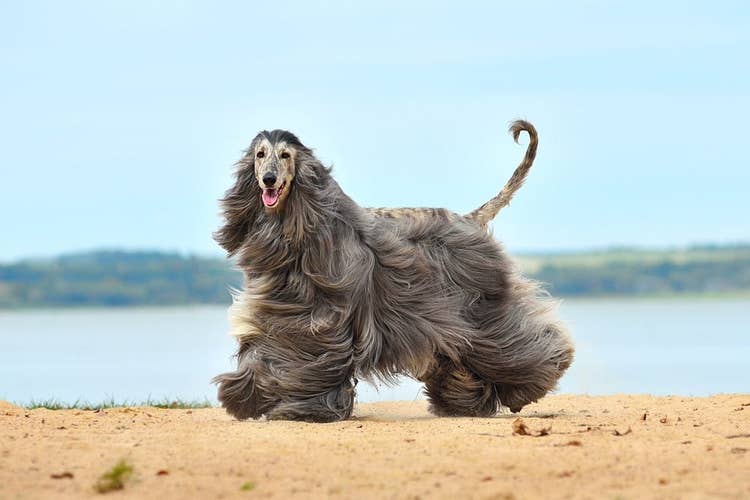
[A grey, long silky-haired Afghan Hound running along the sand at the beach]
Silky-Coated Dogs
Long or silky coated dogs have fine, silky hair that continues growing, so require regular trims to ensure they stay neat and tidy. Some owners of silky haired dogs may keep their pet trimmed short for easier management, but the true majesty of these coats is best when they’re allowed to grow out.
Some dog breeds with silky coats include:
- Afghan Hounds
- Yorkshire Terriers
- Cocker Spaniels
- English & Irish Setters
- Silky Terrier
Silky haired dogs need regular brushing to ensure their hair doesn’t get tangled, and using a comb can also be great for getting those tricky knots out. Brushing also distributes your dog’s natural ils through their coat helping maintain that lovely shine.
Dogs with silky or long coats need plenty of brushing to prevent mats and tangles, and keep them looking their best. Here are some of our top grooming products for silky dog coats:
- A shampoo and conditioner suitable for long coats, like the DotDotDog Long Coat Conditioning Shampoo
- A dentagling spray to condition the coat and make it easy to work through knots, like this DOUXO® Skin & Coat SPA Ultra-Safe Detangling Spray
- A pinbrush for maintaing the coat and removing tangles, like these BUSTER Soft Pin Slicker Brushes
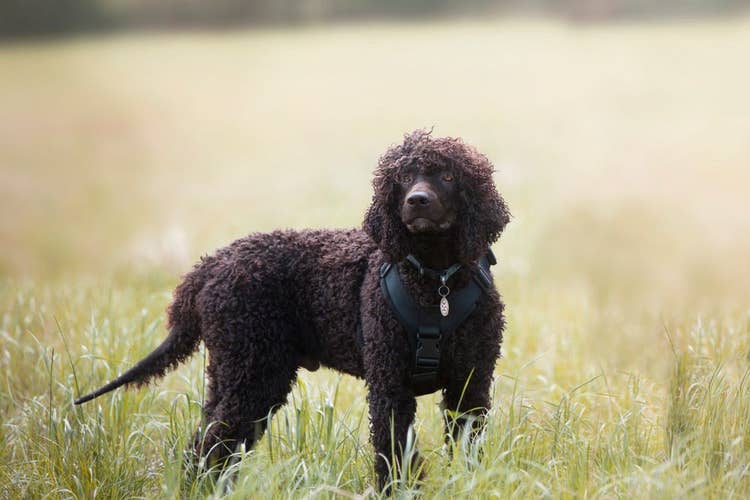
[A brown, cruly-coated American Water Spaniel standing in a field of grass]
Wavy / Curly-Coated Dogs
Dog breeds with curly or wavy coats do not have a predetermined length, and will continue to grow in soft, supple waves or even tight ringlets depending on their breeds.
Most curly-coated dogs have a single coat, meaning they don’t have an undercoat and shed less than other dog breeds. However, just because they don’t shed as much, doesn’t mean they don’t shed at all. When curly-coated dogs shed, the fine, dead hair can get caught in the curls and require brushing out to prevent matting.
Some of the most popular curly-coated dog breeds include:
- Curly-coated retrievers
- Poodles (and poodle crosses)
- Irish Water Spaniels
- Bichon Frise
- Lagotto Romagnolo
Matting is very common in curly-coated dog breeds and can cause a lot of discomfort if not properly managed and prevented. Curly-coated dogs need regular grooming (either at home or by a professional groomer) every 4-6 weeks to prevent matting and remove extra length from their ever-growing coats.
Curly-Coated dogs need regular brushing with a slicker brush like this Mikki Classic Hard Pin Slicker Brush or a pin bristled brush like this BUSTER Pin Brush to remove dirt and debris that gets caught and to remove mats.
Curly dogs are prone to matting, and so need regular brushing (or combing, depending on length), as well as regular trims to ensure they are comfortable and in top condition. Our top grooming products for curly coated dogs include:
- A suitable shampoo & conditioner for curly coats, like the DotDotDog Curly Coat Conditioning Shampoo for Dogs
- A slicker brush for keeping their coat mat-free and fluffed up, like this Mikki Classic Hard Pin Slicker Brush
- Thinning scissors, like these Mikki Neat & Tidy All Coat Single Blade Thinning Scissors to remove bulk and prevent matting around the face and neck (although curved thinning scissors work better on curly or wavy coats)
[A black Puli with a corded coat out on a walk]
Corded Dog Coats
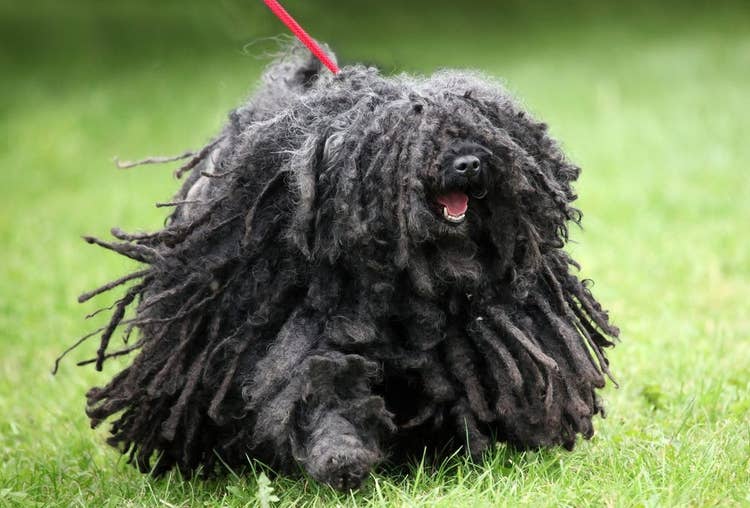
A unique dog coat is the corded coat which occurs when certain curly-coated or wool-coated dogs have coats long enough for the hairs to interweave and form hanging cords. Corded coats are bound to turn heads, but they don’t occur naturally. It take hours of care and attention to ensure healthy, clean cords.
One reason owners choose to embrace their dog’s curly hair with cords is not just for aesthetic, but to also improve the weatherproofing of these already water-repellent coats. The cords improve the coat's ability to repel water and help keep the dog warm and dry in colder months.
Some corded-coat dog breeds include:
- Komondor
- Puli
- Bergamasco Sheepdog
- Standard Poodles
Caring for a corded coat is not for the faint of heart, which is why many curly-coated dog owners choose a short, fluffier alternative for easier management. To cord your dog’s hair, it needs time to grow out without any brushing. That’s right, brushing mats out of your dog’s hair will prevent the cording process, so debris like sticks, grass seeds, and dirt need to be washed and hand-picked from the coat so the cording process can continue.
To achieve the classic corded look, you need to separate your dog’s mats into smaller, more manageable chunks (the cords) and continue doing so for as long as you want your dog to have a corded coat. This process requires a lot of patience, and without proper washing, can cause damage to your dog’s coat, or unravel all the progress you’ve made.
Each cord should be shampooed individually and massaged to remove dirt and debris, which can be difficult as the water struggles to penetrate the water-resistant cords. Then, each cord needs to be towel dried, and then finished off with a blow dryer, or by leaving a fan on near your dog. Not drying your dog’s cords properly can cause them to have a strange odour and may cause skin issues.
Corded dog coats are a challenge to get right, and even more so to maintain, which is why dogs with corded coats can be quite rare with owners choosing shorter, more mangable styles.
if you're looking to care for your dog's corded coat at home, checkout our top grooming products for corded dogs:
- Your hands—that's right, corded coats are best maintained using your bare hands to pick out debris (like sticks, seeds, or anything else that sticks to them) and to gently separate the cords and prevent matting. This way you have much more control and also makes coat maintenance a bonding activity for your dog.
- A gentle, easy to rinse dog shampoo like the TropiClean® Essentials™ Collection Hypoallergenic Shampoo for Dogs which should be squeezed into each cord individually until it foams before rinsing to prevent dry, brittle cords.
[A hairless Xoloitzcuintli (Mexican Hairless) dog lying down with a bone in the long grass]
Hairless Dogs
We all known about hairless cats with the Sphynx being an iconic breed, but did you know there are hairless dogs as well? Hairlessness in dogs is due to a mutation of the FOXI3 gene, causing hair loss (and sometimes toothloss) in dogs.
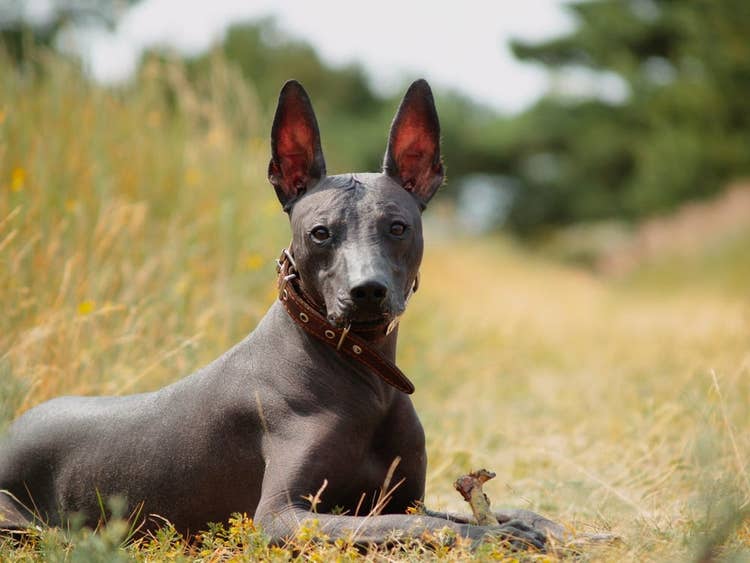
Some hairless dog breeds may have some hair (like the Chinese Crested), or they could be entirely bald (like the Xoloitzcuintli), which makes them rather low maintenance regarding grooming, but that doesn’t mean they need no maintenance at all.
Because they don’t have a coat, these dogs get cold much easier and can also be prone to sunburn if not adequately protected.
Some hairless dog breeds include:
- Xoloitzcuintli
- American Hairless Terrier
- Chinese Crested
- Peruvian Inca Orchid
- Argentine Pila Dog
Caring for a hairless dog means ensuring their skin is healthy and protected from the elements, meaning suncreams in the summer and a cosy dog coat in the winter to keep the chill off. Hairless dogs are also more prone to canine acne, dermatitis, and pyoderma, so it's recommended to use an anti-bacterial shampoo like the DOUXO® S3 PYO Shampoo for Dogs, rather than oatmeal shampoos, to help protect their skin and prevent fugal infections.
Ensuring the health of your hairless dog’s skin is essential, and some owners even use oils like this, in their bathing routine to nourish their skin before drying them completely to prevent them getting too cold.
Even hairless dogs need a grooming routine to help keep their skin proteted and nourished without the protection of a coat. Here are some of our key grooming essentials for hairless dogs:
- An antibacterial shampoo, like this DOUXO® S3 PYO Shampoo for Dogs
- A soft towel for easy drying, like this Henry Wag® Microfibre Cleaning Towel
- A cosy coat for colder months, like this FatFace Sussex Wax Coat for Dogs
- Skin Nourishing oils like the Be:silky Enriching & Conditioning Pet Skin & Coat Oil
Do All Dogs Need Grooming?
Yes, all dogs need grooming to some extent, because grooming encompasses more than just bathtime or coat mainteance. how much grooming your dog needs will depend on their breed and coat type. Dogs with low maintenance coats require much less grooming than those with double
All dogs need regular grooming to ensure:
- Clean skin and coat free from dirt or debris.
- Clean ears (learn more about keeping your dogs ears clean here)
- Trimmed Nails (find out how and when to trim your dogs nails here)
- Clean Teeth (learn how to brush your dog's teeth at home here)
- No tangles or matts in the coat (if applicable)
Having your dog groomed professionally is a great way to ensure they stay in tip-top condition, and they will often clean your dog's ears and trim their nails. However, if you would rather groom your dogs at home, you can! Just make sure you understand your dog's unique grooming needs and cater your routine accordingly with proucts suited to your pet.
Dog Coat Type FAQs
Yes, all dogs shed. Even those you think don't shed, probably still do.
This is because dog hairs regrow (much like human hair) and push out the old, dead hair. For some breeds, this hair just drops off, but for silky or single-coat dogs, these hairs can get caught and begin to form mats.
If you're looking for a dog that doesn't shed much, smooth-coated breeds would be your best bet. While they do still shed, they only have a single coat, whereas dogs with under coats will shed a lot more hair more frequently.
If you really want a dog that doesn't shed at all, why not look into hairless dog breeds?
It depends on the breed and the type of coat they have, but here are some rough guidelines for when your dog should go to the groomer based on their coat type:
- Smooth-coated dogs—these dogs don't need to go to a groomer, but should be brushed once a week and bathed every 6-12 weeks (unless they have oily skin, in which case every 4-6 weeks is best)
- Dogs with undercoats— if your dog has an undercoat that sheds, they should be groomed every 8-12 weeks to get as much undercoat out as possible. If you deshed them regularly and brush them every day, then just bathing them once every 4 weeks should suffice.
- Wire-coated dogs —due to the nature of their coats, wire-coated breeds should be groomed every 4-8 weeks depending on their individual needs. They also benefit from a bath every 6-8 weeks and brushing 2-3 times a week.
- Long & silky-haired dogs—since their hair is constantly growing, long haired dogs should be groomed every 6 weeks to keep the desired length, with daily brushing at home. The more you brush your dog at home, the longer they can go without grooming. They should be bathed every 4-6 weeks, however, to keep them nice and clean.
- Curly & wavy coated dogs—since they also have hair that keeps growing, they should be groomed every 4-6 weeks to keep on top of matting and keep their desired length. They should also be brushed daily at home and bathed once a month.
If you're not sure how often you should be grooming your particular dog, you can speak to your local dog groomer who can give you an idea on timeframes depending on your dog's coat and individual needs.
How long a groom a takes varies from dog to dog since not all dogs are the same or need the same amount of grooming. Aspects that impact grooming time include:
- Your dog's size—smaller dogs are much quicker to groom since they're smaller and more portable, wheras larger dogs will take longer.
- Your dog's coat type—dogs with smooth coats likely only need a bath and nail trim, which can be done in under 30 minutes, but dogs with undercoats who need deshedding or those with curly, wiry, long or silky coats will need longer to leave enough time for their hair cut and styling.
- Your dog's temperment—some dogs are more than happy to sit and let the groomer get to work without much bother making the process much faster than if they have a fidgety, nervous dog who doesn't like the sound of the clippers.
- The condition of your dog's coat before grooming— the more coat maintenance you do at home, the less the groomer needs to do and the faster the appointment will be. Dogs that have no upkeep at home will need more time to be groomed.
Most dog groomers offer appointments up to an hour, for 1-2 hours, or even 2-3 hours to complete the full groom. If you're not sure how long it would take to groom your dog, make sure you get in touch with the groomer before hand to discuss your dog's needs and coat.
As with the time it takes, how much a grooming appointment costs is going to depend on your dog, their needs, and the salon itself.
According to NimbleFins, the average cost of dog grooming in the UK for 2025 was between £25 - £100. The price starts low for small and smooth-coated dogs since they don't ned as much time or effort to groom. The larger the dog, the more time it will take, the same with your dog's coat type, with wire and double-coated dogs taking the longest and costing more.
The best way to know how much it will cost to groom your dog is to check with your local dog groomers. They'll be able to give you a price and time frame for your dog' groom according to their pricing,
Both vets and dog groomers do not recommend shaving a dog, regardless of coat type, and many dogs need their coat(s) in order to regulate their temperature properly, and shaving them (even in the summer to keep them cool) can greatly impact their ability to do this. Shaving can also lead to skin problems, inclyuding sun-burn since they have less protection, itching and patchy-growth when (or if) the coat grows back.
Shaving your dog can also damage their hair folicles and cause it to grow back unevenly since undercoats grow and shed quicker than guard coats.
The only instances where it's recommended to shave a dog are when they're having surgery (in which case the affected area will need to be shaved), or their coat is so matted or in such poor condition that the only option is to shave it off and start over. Groomers do not shave dog's lightly, and most of the time they use their clippers to trim dogs, not shave them down to the skin.
Understanding how your dog's coat works is the first step towards a building the perfect grooming routine for your pup. Whether you're looking to manage seasonal shedding for your double-coated dog, or you want to find the best shampoo to nourish your dog's long silky locks, you can find a great range of dog grooming products from industry leading brands right here at Pet Drugs Online.

- American Kennel Club, Have a Hairless Dog? Here’s How to Groom Them Properly. Last updated 10th October 2024
- American Kennel Club, What Are the Corded Breeds and Why Are Their Coats Like That? Last updated 30th May 2023.
- Clipit, The Ultimate Guide to Dog Coat Types: From Shorthaired to Double Coated. Last updated 5th February 2024.
- NimbleFin, Average Cost of Dog Grooming in the UK 2025. Updated 10th April 2025
- TheCynologist.com, Dog Coats: Fur Caring Guide for Different Dog Coat Types.
- The Pet Reatreat, Smooth Coat Grooming Guide. Last updated 30th November 2019
- The Pet Retreat, Wiry Coat Grooming Guide. Last updated 16th September 2019