First Published: 5 Jan 2023. Last Updated: 7 Jan 2026
The Complete New Puppy Checklist
There’s nothing quite like the excitement of bringing home a new puppy, but before your do, there are some key things you need to know.
We've put together this guide to ensure you have all the essentials, information, and preparation required to accommodate a new puppy so you can give them the best start in life.
Contents:
- Before Getting A Puppy
- What Do I Need for a New Puppy?
- How to Prepare for a New Puppy
- New Puppy Vet Checklist
Before Getting a New Puppy
Welcoming any new animal into your home is a big responsibility, even more so with young animals like puppies.
You're not just taking on the responsibility of caring for an animal, but the commitment to raise them properly so they can grow into happy, healthy, and well-rounded dogs.
Raising a puppy requires a lot of patience, time, and money to ensure you're meeting all their needs so they can thrive.
Before you get a new puppy, you must consider the following:
Getting a new puppy isn't cheap.
Not only do you need to pay for the puppy itself, but you also need to consider how you will cover the costs of their essentials, veterinary care, and the ongoing expenses of feeding and raising a puppy.
Pet insurance rarely covers the costs of new puppy care, such as vaccinations, neutering, and microchipping, so you need to be prepared to pay out of pocket for these essential vet visits.
A new puppy is a commitment, not just when you bring them home, but for the rest of their life. You will need to dedicate a lot of time to ensure your puppy has company, entertainment, exercise, training, and more as they grow into adults.
Puppies shouldn’t be left home alone for more than 2 hours at a time, so you’ll need to be home a lot during the first few months, which can be tricky if you need to leave the house for work.
While doggy daycares and pet sitting can be great options for owners of adult dogs, young puppies should not be around dogs from other households until at least 2 weeks after their last vaccination to ensure they’re protected.
Regardless of the breed you choose, you need to ensure you have the space to accommodate a puppy, and then the adult dog they will grow into.
Garden access isn’t a deal-breaker for all potential dog owners, but if you don’t have one, you need to consider where your dog can go to the bathroom (and puppies go a lot).
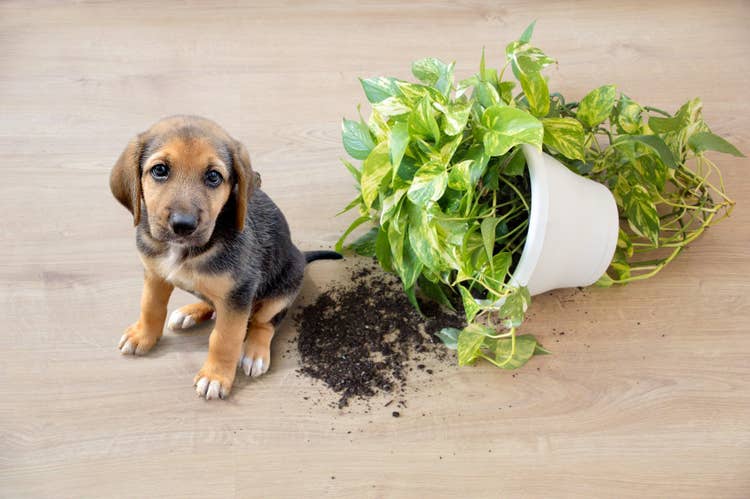
You also need to consider if you have space for everything your puppy needs, if there are other people or animals in the house who might not appreciate the new addition, and how you will puppy-proof your home to keep them safe.
There is more to raising a dog than just feeding and playing with them, and researching these needs beforehand is essential for any potential dog owner.
No two dogs are the same, so you not only need to understand how to care for a dog in the broad sense, but also how to care for the specific dog you’re bringing home.
If your puppy is purebred, you need to understand their breed’s nutritional and exercise needs, plus any potential purebred dog health issues they may be prone to.
If your puppy is a crossbreed or you’re unsure of their breed, you need to be prepared for the potential combination of traits they might inherit (such as their full-grown size, prey drive, coat type, and more) and adjust their care accordingly.
If you've considered all of the above and the answers are a resounding yes, then you're on the right track for puppy-parenthood!

What Do You Need for a New Puppy?
Before you get your puppy, you'll likely need to do a bit of shopping to ensure you have everything your puppy needs for the first few months of their life with you.
Below we list the most important new puppy essentials you'll need before your new furry-friend comes home:
- A puppy carrier—Having a puppy carrier is ideal for bringing your puppy home (especially if they're coming from far afield) and for vet trips as well. Young puppies shouldn't be walked until they're vaccinated, and a carrier keeps them safe and protected while on the move, especially if they're too wriggly to carry.
- A bed and/or crate—All dogs need a place to sleep, whether thats a nice comfy dog bed or a crate (which will require additional training)
- Food and water bowls—Puppies will need smaller bowls to start, with a separate dog bowl for food and water. You'll also need to upgrade to a larger bowl as you dog grows and their portion sizes increase.
- Collar with ID Tags—All dogs need to wear a collar with ID tags by law in the UK, so make sure you have a puppy collarwith ID tags ready for when you pick them up.
- A lead (and harness if needed)—Walking might not be an immediate need for a new puppy, but getting them accustomed to leash walking early can make things much smoother when they are ready to brave the big wide world. If you're planning to use a harness when walking, make sure you have a puppy harness for them to get used to first.
- A complete puppy food—Puppies need a suitable diet rich in fats, proteins and calcium, as well as a number of other nutrients to help them grow and develop properly. Make sure you choose the best food for your puppy with our guide, or browse our full range of puppy foodsto find their perfect fit.
- Puppy pads & Odour Eliminators—No puppy comes home toilet trained, so make sure you're prepared to clean up after them. Starting with puppy pads can help with toilet training and protect your floors from repeated soiling. Having an enzyme-based cleaner is also a must to elimiate odours that can encourage your puppy to keep peeing indoors.
- Puppy Toys—You're going to need to keep your puppy entertained and teach them how to play without their litter mate. Toy are also essential for exercise, enichment, and deterring them from chewing thigns they shouldn't. Make sure you have plenty of puppy safe toys as they might get through faster than you think.
- Puppy Grooming Tools—Introducing your puppy to grooming early can make things much easier down the road. Make sure you have a good puppy shampoo, a puppy toothbrush and toothpaste, and puppy nail clippers for those tiny toes. If you have a long-haired dog breed, you'll also need a puppy brush.
Once you’ve got all of these essentials, set them up in a quiet room in your home, such as a spare bedroom, to give your new puppy a safe space to acclimate themselves to your home before they start exploring.
Bringing Your New Puppy Home
While bringing a puppy home is a time of great excitement for you, it can be very overwhelming for your them as they try to adjust to all the new smells of their new home, as well as being away from their mother and littermates.
It’s natural for them to take a little bit of time to settle in properly, but here are some things you can do to ease the transition:
- Give them time and space to get used to their new environment in their own time without too much coddling. Try to limit them to one or two rooms to start, and once they show signs of being curious, let them venture a little further.
- Build a routine to help them settle by feeding, playing and walking (once they’re old enough) at the same times each day. In time, this can also grow to include their bathroom breaks which can help a lot when house training.
- Keep things consistent, such as training, their daily routine, and the house itself, so they don’t have to get used to too many new things at once. If you’re expecting a big life change, such as a new baby or moving house, try to put off getting a puppy until this time has passed, so everything can be calm for your puppy’s arrival.
- Start socialising with your puppy as soon as possible so they can begin to learn what to expect, including the sights and sounds of daily life as well as introducing them slowly to any other pets you have in the home.
- Start training your puppy once they’re settled with things like basic commands and setting boundaries for things they can and cannot do to help them learn early.
- Introducing calming products suitable for puppies, such as the Adaptil Junior Collar, can also help your puppy settle in and feel more at ease in its new home.
New Puppy Vet Checklist
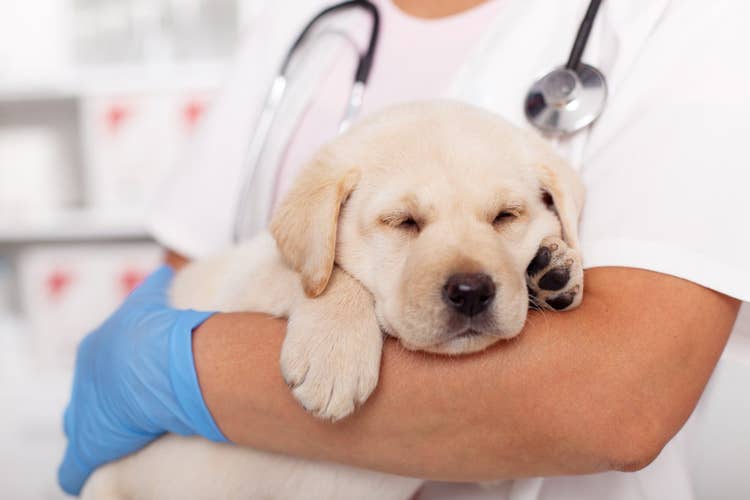
It's a good idea to have your vet check your puppy as soon as possible to ensure they're in good health and to start building a positive association with going to the vet.
Every puppy will need to go to the vet for the following before they are 6 months old:
- Microchipping
- Vaccinations
- Puppy flea and worming
- Health checks
If you have rescued your puppy, they may already come home microchipped and treated for fleas and worms. They may also have had one of their vaccination shots, but will need to return for the rest of their follow-up shots, which the rescue centre will explain before you bring them home.
Getting a pet insurance policy for your puppy early is also a good idea to help cover any unexpected vet costs.
First impressions matter, and when it comes to introducing a new puppy to existing dogs, there are some key things you can do to help them get off on the right paw, such as:
- Start with them seperate - have your puppy set up in a different room to your existing dog to allow them to have their own space before meeting.
- Remove food and toys from the area - existing dogs can get defensive over what they consider "theirs", leading to conflicts. You want meeting to be a positive experience for both dogs.
- Choose somewhere neutral - this could be your garden or a short walk from the home (somewhere with little to no dog traffic if your puppy isn't vaccinated) and have both your dog and puppy on separate leads.
- Let them investigate - while on lead, let your dog and your puppy sniff and investigate one another. If either dog is nervous or boistrous, take a break to let them explore the area separately.
- Give them space - back at home, let your dog and puppy be together in the same room, but make sure to have boundaries in place (such as a stair gate) to allow your dog and puppy to be easily seperated if needed.
- Supervise their time - don't leave your dog and puppy alone together unsupervised too soon. Puppies can be a nuisance to older dogs, and older dogs might not know how gently to play to with their new friend.
All dogs are different. Some dogs thrive with a new puppy play-mate while others need some time to get used to the idea. Just be patient, and if you're really struggling, speak with your vet for advice introducing dogs to puppies.
Yes, an adult dog can be jealous of a new puppy, and why wouldn't they be? Bringing home a new puppy is a big change in routine, which be stressful by itself. Plus, your existing dog won't understand why you're giving so much attention to a dog that isn't them.
Jealousy in dogs isn't the same as it is in humans, and bringing a new puppy home can leave your existing dog feeling their place in the home is threatned, causing jealous behaviours, such as:
- Growling at the new puppy
- Guarding toys, food, or people
- Putting themself between you and the new puppy
While this isn't too troubling initially, if not managed properly, your dog's jealousy could lead to a negative relationship between them and the new puppy, or even develop into an anxiety order or aggression.
If your puppy is under 10 weeks old, you shouldn't leave them home alone as it can be very distressing to them so soon after leaving their mother and litter mates. Puppies need to learn that being alone is okay, and this takes time.
Leaving your new puppy alone too soon (or for too long) can also result in:
- Toileting accidents - puppies have much smaller bladders than adult dogs and haven't learned to hold it in when inside.
- Destructive behaviours - puppies still have a lot to learn, and without supervision may chew or destroy things.
- Separation anxiety - leaving a new puppy alone too soon can be distressing, and could develop into separation anxiety if not properly handled.
Every puppy is different, and how they cope with being alone will depend on several factors. On their website, FRONTLINE explains, "you can use your puppy’s age as a rough guide to how long they can be left alone for."
- 8-10 weeks: Maximum 1 hour
- 10-12 weeks: Maximum 2 hours
- 3-6 months: Maximum 3 hours
- 6-12 months: Maximum 4 hours
Rememeber, learning to be alright when left alone takes time, and every puppy will handle it differently. Just make sure to take things slow and see how your puppy reacts after being alone for a few minutes. If there are no signs of stress, you can reward them and continue to build up the time they're left.
Yes, new puppies can go outside, but with some restrictions.
A puppy's immune system is not as developed as that of an adult dog, and before they're vaccinated, they are at risk of contracting a number of nasty diseases that can be detrimental to their health, such as:
- Canine Distemper
- Canine Parvovirus
- Leptospirosis
- Parainfluenza
- Kennel Cough
Before your puppy has been vaccinated, they can go out in the garden at home (just make sure it's clear of any fox or cat poo) straight away.
New puppies can't go on walks until they're fully vaccinated, but you can also carry your puppy while outside to introduce them to new smells, sounds, and experiences, which is great for their socilaisation.
Your puppy is considered "safe" to go outside like any other dog two weeks after their second (or third, in some cases) vaccination injection. After this time, you can start getting your puppy used to going on walks and being around other dogs in the area.
Every puppy is different, and how long it takes for them to adjust will depend on a number of factors, like their temperment, history, and breed.
Generally speaking, puppies can take between 2-3 weeks to adjust to being in a new home and learn their new routine. Within 1-3 months, you should start to notice signs that your new puppy is adjusting, such as:
- Relaxed body language
- A good, healthy appetite
- Curiosity and wanting to explore
- Bonding with household members
- Responding to their name
- Smoother sleep patterns
Puppies all adjust at their own pace, and you can help with the initial stress by using a puppy calming aid. If you're at all concerned about your new puppy's adjustment, contact your vet for advice.
We hope this handy puppy checklist gives you everything you need to prepare for your new furry-friend. If you're looking to save on the cost of raising a new puppy, then why not browse our complete puppy care range, from top of the line foods to tempting treats and toys?

This post is an opinion and should only be used as a guide. You should discuss any change to your pet’s care or lifestyle thoroughly with your vet before starting any program or treatment.
