Canine Parvovirus: Symptoms, Treatment, and Recovery
Parvovirus is a viral infection that can be life-threatening to dogs with compromised or under-developed immune systems, causing vomiting, diarrhoea, and damage to the gut. Despite Parvovirus being one of the key viruses dog's are vaccinated against, hundreds of dogs and puppies die from Parvovirus across the world.
In our quick Parrvo guide, we explore what Parvovirus is, what dogs are most at risk, and how to spot the early signs of parvovirus in dogs.
Rememeber, prevention is the key to stopping the spread of Parvovirus, protecting both your pet and others.
Key Takeaways:
- Parvovirus is highly contagious between dogs and can be deadly to unvaccinated dogs, puppies, or older dogs with weaker immune systems.
- There is no cure for parvo in dogs, but vaccinating dogs as puppies helps to lower the chances of infection.
- Prompt treatment for Parvovirus can increase your dog's odds of survival. Up to 90% of dogs make a full recovery when treated early.
What is Canine Parvovirus?
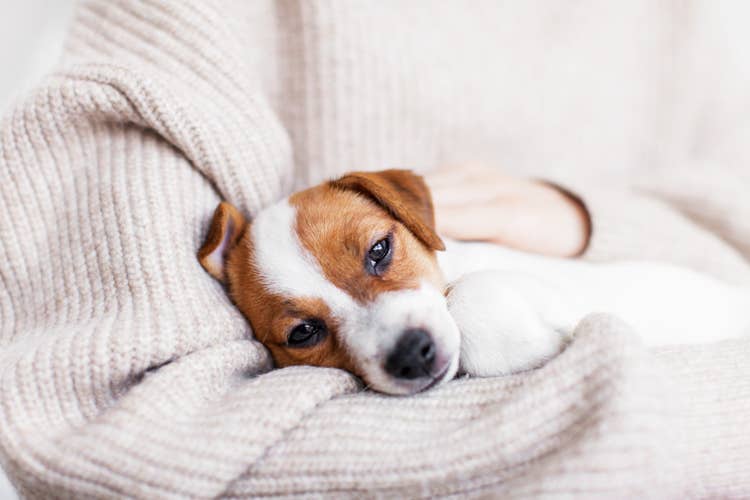
Canine Parvovirus (Or CPV, Parvo) is an extremely contagious virus in dogs that attacks the immune system and damages the lining of a dog's gut. While there is a vaccine against parvovirus, it is particularly dangerous in puppies whose immune systems are still developing and are too young to receive their jabs.
If not treated early, Parvovirus can be deadly, which is why recognizing the early signs of parvovirus are essential to any dog owner, but especially to those with a new puppy in their home.
Parvovirus weakens a dog’s immune system, which greatly impacts a dog's ability to recover. This is why vaccinating your dog against Parvovirus is essential.
Any dog that hasn’t been vaccinated against Canine Parvovirus is at risk of contracting the virus, and those with compromised immune systems (such as puppies, senior dogs, or those with underlying health conditions) are less able to fight off the virus.
Canine Parvovirus Symptoms
Once a dog is infected with Parvo, the virus heads right for the gut where it rapidly divides and grows, leading to inflammation and bleeding in the gastrointestinal tract. It can take infected dogs between 3-7 days to show clinical signs of parvovirus, which include:
- Vomitting
- Bloody diarrhoea
- Drooling (or hypersalivation)
- Lethargy
- Weight loss
- Dehydration
- Loss of appetite / refusal to eat
While the above Parvo symptoms are commonly seen, not all dogs will show the same symptoms, and some may be asymptomatic (not show recognizable symptoms). This is why it’s important you call your vet as soon as possible if you notice any of the above symptoms of canine parvovirus.
Parvovirus in Dogs Treatment
Parvovirus is not only highly contagious, but it can be deadly if not treated promptly and properly. According to CanineParvovirus.org, “90% of dogs will die from parvo if left untreated,” whereas the mortality rate for dogs who do receive treatment drops to just 5%.
The key to treating Parvovirus successfully in dogs is time. The sooner you get your dog to the vet the sooner they can be treated and recover without any lasting issues.
Treatment for mild cases of Parvovirus in dogs may include:
- Fluid IV
- Antibiotics to prevent secondary infections
- Anti-emetics to stop vomiting
- Antacids to calm the stomach and balance Ph
- Probiotics to balance gut flora
- Vitamins to boost immune response
- Electrolytes to replenish and stabilize cells
In more severe cases, treatment may include:
- Glucose treatments to maintain blood sugar levels
- Tube feeding to counter weight loss and provide nutrition
- Blood transfusions if there is a sharp decline following treatment
Which of these treatments are necessary is decided on a case-by-case basis at the discretion of your vet. Your dog will also need to be quarantined following treatment until they test negative for CPV.
It's also important to know that dogs who are treated for parvovirus but haven't been vaccinated may not be eligible to claim back the cost of treatment through pet insurance since insurerers will rarely provide cover for conditons that could be vaccinated against.
How Long to Quarantine a Dog With Parvo
Due to the contagious nature of parvo in dogs, a quarantine period is required even after they’ve been treated to help stop the spread of the virus but also to protect your dog and their recovering immune system.
Ideally, you should isolate your dog as soon as you suspect they have been in contact with Parvovirus to stop the spread and allow you to get your dog treated as soon as possible.
However, it can take up to 2 weeks for dogs to show symptoms of Parvo, making it hard to know when they were first exposed. If you notice your dog is showing symptoms, isolate them immediately and call your vet.
Here is a quarantine timeline for dogs with Parvovirus so you know when dogs are at their most contagious:
Day 1 of infection: Your dog has been exposed to Parvovirus. The infection is currently working it's way to your dog's gut where it will contine to divide over the next few days.
Dogs are not contagious immediately after being exposed to Parvovirus, but should be kept isolated if possible.
Day 5-10 of infection: Once a dog shows symptoms of Parvovirus, they are already highly contagious. This means they should be kept far away from other dogs to prevent the spread, especially around dogs with weak or underdeveloped immune systems.
This is when most owners will notice Parvo in dogs, but the infection is already rife. The sooner your dog is treated, the better chances they have of survival.
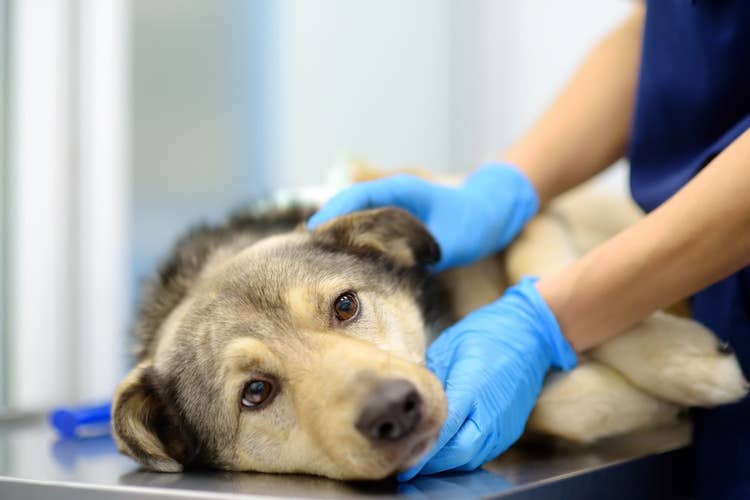
Dogs undergoing treatment for Parvovirus are typically kept hospitalised for constant monitoring of their condition.
Even while a dog is undergoing treatment for Parvo, they are still highly contagious and should be kept away from other dogs in order to recover.
While your dog is quarantined, it’s recommended you provide them with a room or space where they can rest and recover without the risk of secondary infections. Parvovirus is one of the most resilient viruses in the world, so maintaining a high standard of hygiene is essential, especially if you have other animals in the home!
Make sure you:
- Choose a disinfectant that kills Parvovirus (not just bacteria or fungi)
- Clean everything before disinfecting (Parvo can hide in organic matter, such as saliva, feces or dirt, so a soap and water wash should occur before disinfectant)
- Clean and disinfect your dog's living space regularly
- Clean and disinfect your dog’s bowls after use (or use disposable dog food and water bowls)
- Wash your dog’s bedding, soft toys, and blankets regularly.
- Keep your dog away from any unvaccinated dogs or puppies.
- Clean up after your dog immediately and wash your hand thoroughly.
How Does Parvovirus Spread in Dogs?
Canine parvovirus spreads similarly to worms, with the infection being shed into the environment through an infected dog’s poop.
Once in the environment, Parvovirus can survive for months, or even years, meaning that almost all dogs have been exposed to the virus at some point in their lives.
It only takes three to four days for a dog infected with Parvovirus to be able to spread the virus further, and with most symptoms not showing for at least seven days, this means Parvovirus can be unwittingly spread through any place that dog’s frequent, such as:
- Gardens
- Parks
- Fields
Parvovirus can also travel in dirt that has been contaminated by an infected dog (much like dogs), and so can be brought into your home on:
- Your dog’s coat (especially with mucky pups)
- Your dog’s collar, lead or coats
- Your shoes, clothes, or hands
- Dog toys and bowls
How Common is Parvo in Dogs?
In a 2023 article, Joe Dunne explains that while widespread vaccination has made Parvovirus “much less common” in the UK, the article also shared that emergency vets reported “a 129% increase in the number of cases during the first 3 months of 2021.”
However, these numbers could be a direct result in the rise of “Covid Pets”, with the number of first-time dog owners rising by 44% in 2020 following the “Pandemic puppy Boom” according to Dog’s Trust 2024 National Dog Survey.
According to an article from Dog Life Expert in 2025, “the Canine Parvovirus threat in 2025 is worsened by how resilient the virus is,” and that some of the key causes for the resurgence of parvovirus in dogs could be due to:
- Viral mutations (which can allow the virus to evade neutralising antibodies)
- Vaccine resistance (whereby the evolving strains of the virus can bypass immune defenses, even in vaccinated dogs)
- Misinformation about the virus (such as it being a puppy only problem)
- Vaccine hesitancy (with more owners choosing “natural immunity” over vaccinations for their dogs)
Canine Parvovirus has always been a threat to dogs in the UK, but now more than ever it’s important for dog owners new and old to understand the risk this virus poses to dogs, especially those with weaker, or underdeveloped immune systems, and what steps we can all take as animal lovers to lessen the spread.
How to Prevent Parvovirus in Dogs
Here are the top ways you can help prevent the spread of Parvovirus in dogs:
Vaccinations are essential to all dogs, not just to protect them from Parvovirus (among other diseases), but also to lessen the spread of the virus. The less dogs that Canine Parvovirus can infect, the less dogs there are to spread the virus.
Dogs who had their vaccinations as puppies still require an annual booster jab to keep them protected, and missed vaccinations can leave your dog open to contracting not only Parvovirus, but also other diseases like Canine Distemper, leptospirosis, and hepatitis.
Vaccinating your dog is especially important for new puppies who are at high risk of contracting the virus but don't have a strong enough mmune system to fight it.
While vaccinations are a wonder for preventing diseases like Parvovirus and Canine Distemper, they are not fool proof. Not only do puppies require multiple jabs before they are fully vaccinated, but newly vaccinated dogs still need 1-3 weeks after their second (or third) injection before they are protected, according the PDSA.
This means even if your dog has had their full course of primary vaccinations, you should still avoid high-traffic dog areas for up to four weeks to give your dog the best chance of resisting the virus. High dog traffic areas include:
- Parks
- Dog day cares
- Obedience or puppy training classes
- Kennels
- Grooming salons
Puppies who haven't been vaccinated should not being going out for walks anyway, but can be carried if necessary to visit the vet, etc.
The key to preventing Parvovirus is good hygiene both at home and while out and about. Good hygiene practices include:
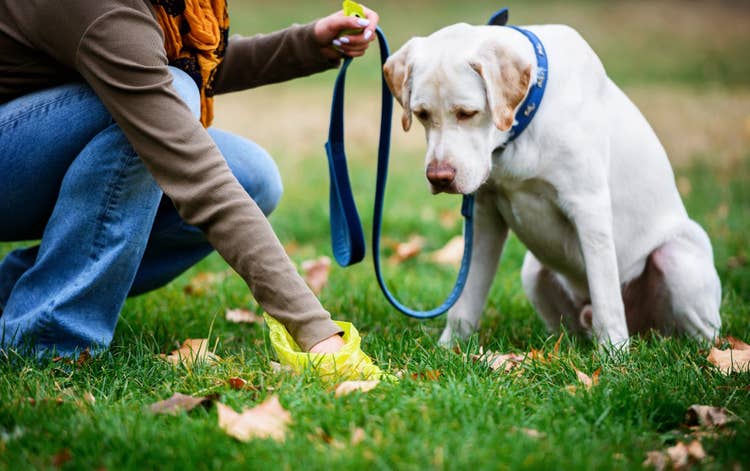
- Promptly cleaning up after your dog
- Washing your hands after handling dog poop
- Disinfecting your shoes when returning from areas with high dog traffic
- Regularly cleaning your dog’s food and water bowls
- Washing your dog’s bed, collar, leads and harnesses weekly
Socializing your new puppy is essential for helping them grow into a well-rounded adult dog, but there’s nothing wrong with being selective about who and what you socialise your dog to early on.
No matter how much you want your puppy to meet other dogs, you should never allow your puppy to meet with another dog until they are fully vaccinated. Unvaccinated puppies should also not go outside the home on walks until they’re fully vaccinated.
You can learn more about socialising your puppy in our guide to puppy training.
Parvo in Dogs FAQs
There is no cure for Parvo in dogs. Instead, treatment for Parvovirus focuses on supporting and monitoring a dog in the hopes their body can fight off the infection and preveting any secondary infections caused by their weakened immune system.
Prevention is always the first step towards fighting viruses like Parvo in dogs.
Parvovirus is extremely contagious in dogs, which is part of the problem.
Dogs become contagious even before symptoms set in, allowing your dog to unwittlingly continue to the spread when they defecate in places with high dog traffic, such as parks, dog walking trails, kennels, and more.
Plus, dogs remain highly contagious during and after treatment and recovery, which is why quarantining dogs infected with Parvo is crucial to prevent futher spread.
An incubation period is how long it takes from first expsoure to a virus to symptoms setting in.
The incubation periods for canine parvovirus can vary depening on strains, the verall health of the dog, and other factors, but it gets to work fast. The average incuation period for canine parvo is 3-7 days, but it can range from 2-14 days.
Things that can impact the incubation period of Parvovirus in dogs includes:
- Dog's Age - younger dogs with under-developed immune systems may see a faster incubation period of 3-5 days. Older dogs with weaker immune systems are also at risk, but may see a longer incubation period of 7-10 days after expsoure, making it harder to detect and treat the virus early.
- How many dogs - the more dogs you have, the higher the risk of it passing between them, with shorter incubation periods due to higher exposure to the virus.
- Different Strains - some straind of canine parvovirus have a shorter incubation period with symptoms showing within 2-3 days after exposure. The rapid onset of these strains are more dangerous to young or vulnerable pets.
- Dog's health - dogs who suffer from stress or other taxing health conditions may see a shorter incubation period for the disease, or suffer more severely from the symptoms.
- Whether a dog is vaccinated - Dogs who are vaccinated are less likely to contract the disease, and if they do, tend to have a milder, more treatable case than dogs with no vaccines.
- Route of transmission - dogs who consume contaminated feaces or dirt face a higher concentration of the virus and may develop symptoms faster than other dogs.
Parvovirus is not just an extremely contagious and deadly disease, but it is also preventable. By maintaing proper hygeine standards with your dog and home, and ensuring your dog's vaccination record is up to date, you can significantly lower the chances of your dog contracting the disease.
If you're looking to maintain your dog's health, why not check out our range of dog healthcare essentials? Find your perfect parasite prevention, supplements to support immunity, and everything else you need to help your dog live a happy life at Pet Drugs Online.

References
- Open Association of Research Society, Is Parvovirus Becoming More Common in British Dogs? Last updated March 23rd 2025
- Canine Parvovirus, Parvo Topics.
- PetMD, Parvo in Dogs and Puppies: Causes, Symptoms, and Treatment for Canine Parvovirus. Last updated 31st January 2025.
- Vet Explains Pets, What is the Incubation Period for Parvo?
- The Vets , How Long are Puppies with Parvo Contagious? Last updated 20th January 2025.
- Dog's Trust, Parvovirus: symptoms, treatment, and prevention.
- Blue Cross, Parvovirus in dogs. Last updated 28th April 2023.
- PDSA, Parvovirus in dogs. Last updated January 2023.