
Mites in Horses: Signs, Symptoms and What to Do
Key Takeaways:
- Mites are tiny parasites that can live on a horse's skin and cause irritation, itching and discomfort.
- Some horses show only mild signs, while others develop severe itching, hair loss, scabs and thickened skin.
- The most common type in the UK is often Chorioptes mites, which are strongly associated with feathered legs, but other mite types can also affect horses.
- Feathered breeds such as Cobs, Shires and Clydesdales are often more prone to mite infestations around the lower legs.
- Mites can look similar to sweet itch, lice, allergies and other skin conditions, so it is important to identify the cause correctly.
- If symptoms are severe, worsening or causing significant discomfort, contact your vet for advice.
What’s in this article?
- What are mites in horses?
- How do horses get mites?
- Signs and symptoms of mites in horses
- Types of mites that can affect horses
- Which horses are most at risk?
- Caring for feathered legs
- Mites vs sweet itch
- Mites vs lice
- How are mites diagnosed?
- How are mites treated?
- Preventing reinfestation
- Managing mites in a multi-horse yard
- Products commonly used for horses with mites
- What not to do if you suspect mites
What Are Mites in Horses?
Mites are microscopic parasites that live on or within a horse's skin. While they are too small to see with the naked eye, they can cause significant irritation and discomfort.
Several types of mites can affect horses, but the most common in the UK are Chorioptes mites, which are often associated with feathered breeds. These mites live on the surface of the skin and feed on skin debris.
Although mites are not usually life-threatening, untreated infestations can become extremely uncomfortable and may lead to skin damage, secondary infections and ongoing irritation.
How Do Horses Get Mites?
Mites can spread through direct contact between horses, but they can also survive for a period in the environment.
Horses may pick up mites from:
- Shared stables
- Grooming equipment
- Rugs and boots
- Fences and stable surfaces
- Direct contact with affected horses
Some horses can carry mites without showing obvious symptoms, making it difficult to identify the source of an infestation.
Signs and Symptoms of Mites in Horses
The symptoms can vary depending for mites in horses based on the type of mite and the severity of the infestation.
One of the earliest signs is often persistent itching, particularly around the lower legs. Horses may stamp their feet, bite at their legs or repeatedly rub affected areas.
Common symptoms include:
Intense Itching
Many horses become increasingly irritated and spend more time scratching or rubbing against stable walls, fencing or field shelters.
Stamping and Leg Irritation
Horses with leg mites frequently stamp their feet in an attempt to relieve irritation.
Hair Loss
Repeated rubbing can lead to patches of hair loss, particularly around the fetlocks and lower limbs.
Scabs and Crusty Skin
As irritation increases, scabs and crusting can develop. The skin may become thickened and inflamed.
Swelling Around the Lower Legs
Some horses develop swollen fetlocks or lower limbs, particularly if secondary infections develop.
Restlessness
Continual itching can affect a horse's comfort and behaviour, making them appear unsettled or irritable.
Types Of Mites That Can Affect Horses
Not all mite infestations are the same. Different mites can affect different areas of the body, and the signs may vary depending on the type involved. This is one reason why it is important to speak to your vet if your horse is very itchy, developing scabs, or not improving with basic skin care.
Chorioptes mites
Chorioptes mites are one of the most common types seen in horses, especially in heavily feathered breeds such as Cobs, Shires and Clydesdales. They usually affect the lower legs and feathered areas, causing itching, stamping, biting at the legs, scabs and thickened skin around the fetlocks and pasterns.
This is often what people mean when they refer to feather mites or leg mites in horses.
Sarcoptes mites
Sarcoptes mites are less common in horses but can cause intense itching and irritation. They burrow into the skin and can lead to hair loss, crusting and sore, inflamed patches. Because this type can be very uncomfortable and may spread, veterinary diagnosis and treatment are important.
Psoroptes mites
Psoroptes mites are also less common but can affect areas such as the mane, tail, body or ears. They can cause irritation, rubbing, scabs and hair loss. Like other mite problems, the signs can look similar to other skin conditions, so it is best not to guess.
Demodex mites
Demodex mites are uncommon in horses. They live in hair follicles and may be linked with patchy hair loss or skin changes, but they are not usually the first cause owners think of when a horse is stamping or rubbing its lower legs.
Why the type of mite matters
The type of mite matters because treatment, spread and management can vary. Some mites are more closely linked with feathered legs, while others may affect wider areas of the body. Your vet may need to examine your horse, take skin scrapings, or rule out other causes such as lice, sweet itch, fungal infections or allergies before recommending treatment.
Which Horses Are Most at Risk?
Any horse can develop mites, but some are more susceptible than others.
Heavy feathered breeds are particularly prone because mites thrive in the warm, sheltered environment created by dense feathers.
Higher-risk breeds include:
- Cobs
- Shires
- Clydesdales
- Friesians
- Gypsy Cobs
Horses that share grooming equipment or live in close contact with others may also have a higher risk of exposure.
Caring For Feathered Legs
Feathered horses can be more prone to leg mite problems because dense hair creates a warm, sheltered environment around the skin.
If your horse has heavy feathers, check the legs regularly by parting the hair and looking at the skin underneath. Watch for scurf, scabs, thickened skin, swelling, heat or signs that your horse is stamping or biting at their legs.
Keeping feathers clean and dry can make it easier to spot irritation early. In some cases, trimming or clipping feathers may help with treatment access and monitoring, but this is not always needed and should be discussed with your vet.
Mites vs Sweet Itch: How to Tell the Difference
Owners often confuse mites and sweet itch because both conditions cause itching and rubbing.
However, there are some important differences.
Mites
Mites usually affect the lower legs and feathered areas first. Stamping, biting at the legs and irritation around the fetlocks are common signs.
Sweet Itch
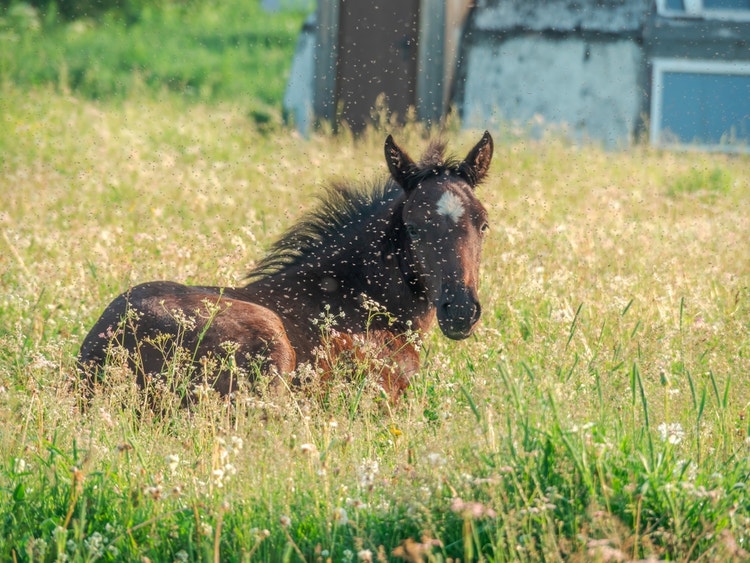
Sweet itch is an allergic reaction to insect bites. It more commonly affects the mane, tail, withers, belly and face, especially during spring and summer.
Unlike mites, sweet itch is not caused by a parasite living on the horse.
Mites vs Lice: How To Tell The Difference
Mites and lice can both cause itching, rubbing and hair loss, but they are not the same parasite.
Mites are usually too small to see with the naked eye and often cause irritation around the lower legs, especially in feathered breeds. Lice are small insects that live in the coat and may be visible if you part the hair and look closely.
Lice often affect areas such as the neck, shoulders, back and tail base, while feather mites are more commonly linked with stamping, biting and scabs around the legs.
Because the signs can overlap, it is best not to guess. If your horse is very itchy, losing hair or developing scabs, speak to your vet so the right cause can be identified.
How Are Mites Diagnosed?
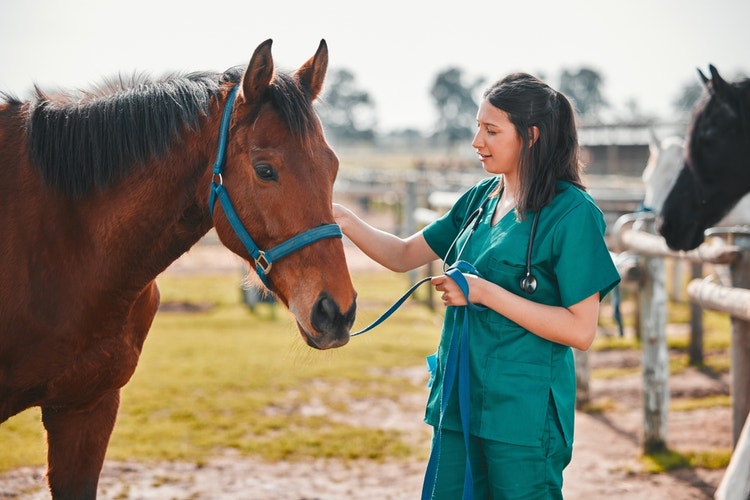
Identifying the type of mite can help your vet choose the most suitable treatment plan and advise on whether other horses, rugs, grooming tools or stable areas also need managing.
Plan before applying treatment
Before applying any flea or tick treatment, always read the product leaflet.
Because several skin conditions can look similar, diagnosis is important.
Your vet may:
- Examine the skin and coat
- Take skin scrapings
- Assess affected areas under a microscope
- Rule out lice, fungal infections or allergic conditions
Accurate diagnosis helps ensure your horse receives the most appropriate treatment.
How Are Mites Treated?
Treatment depends on the type of mite involved and the severity of symptoms.
Veterinary Treatment
Many mite infestations require prescription treatment from a vet. The most suitable option will depend on the individual horse and the species of mite involved.
Cleaning the Environment
Treating the horse alone may not solve the problem.
Wash:
- Rugs
- Boots
- Saddlecloths
- Grooming equipment
Regularly cleaning stable areas can also help reduce reinfestation. Shop cleaning products here.
Managing Feathers
In some severe cases, trimming heavily feathered legs may help improve access for treatment and make monitoring easier.
Supporting Skin Health
Once mites have been treated, gentle skin care products may help soothe irritated skin and support recovery.
Preventing Reinfestation
Preventing mites is often easier than dealing with a severe infestation.
Good management practices include:
- Regular grooming
- Routine skin checks
- Washing shared equipment
- Avoiding sharing grooming tools where possible
- Monitoring feathered legs carefully
- Addressing symptoms early
The sooner mites are identified, the easier they are usually to manage.
Managing Mites In A Multi-Horse Yard
If one horse has mites, it is worth checking any horses they live closely with, especially those sharing stables, rugs, grooming tools or turnout areas.
Some horses may carry mites with fewer obvious signs, so reinfestation can happen if only one horse or one part of the environment is managed.
To reduce the risk of mites coming back, wash rugs, boots, saddlecloths and grooming equipment where possible. Avoid sharing brushes between horses, especially if one horse is itchy or has scabs. Stable areas, doors and surfaces where the horse rubs should also be cleaned regularly.
In larger yards, your vet may advise whether other horses need checking or treating at the same time.
Products Commonly Used For Horses With Mites
Mite treatment itself may require veterinary advice, especially if your horse has severe irritation, broken skin or signs of infection. However, there are several types of products horse owners commonly use as part of a wider mite management routine.
Horse skin and coat care products
Skin and coat care products can help support the skin after irritation, rubbing or treatment. These may include soothing washes, conditioners, balms or topical products designed for dry, sensitive or irritated skin.
These products do not replace mite treatment, but they can help keep the skin more comfortable while it recovers.
Horse shampoos and washes
Horse shampoos or washes may be useful where the skin needs cleaning, especially if there is dirt, grease, scurf or product residue around the lower legs. For horses with sensitive or irritated skin, a mild shampoo is usually a safer choice than anything harsh or heavily fragranced.
If itching is thought to be caused by parasites such as lice or mites, an insecticidal shampoo may be more appropriate, but owners should check the product guidance and speak to their vet if symptoms are severe or ongoing. Your coat and skin care category already says insecticidal shampoo may be more appropriate when itching is caused by parasites such as lice or mites.
Skin and coat supplements
Some owners use skin and coat supplements to support skin condition from within, particularly after a horse has been rubbing, losing hair or recovering from irritation.
Supplements will not remove mites, but they may help support normal skin and coat health as part of ongoing care. Your existing parasite article already mentions skin and coat supplements as a support option for horses recovering from mite infestations.
Grooming products
Regular grooming with grooming products can help owners spot early signs of irritation, scabs, hair loss or feather changes. Grooming also helps keep the coat cleaner and makes it easier to monitor whether symptoms are improving or getting worse.
For horses with mites, it is best not to share brushes, boots or grooming equipment between horses unless they have been properly cleaned, as mites can spread through shared equipment.
Stable and equipment cleaning products
Cleaning products matter because mites can spread through rugs, boots, saddlecloths, grooming equipment and the horse’s environment. Washing or disinfecting these items can help reduce the chance of reinfestation.
Owners should pay particular attention to shared items and anything used around the affected legs.
Fly and irritation support products
Mites are not the same as sweet itch or fly irritation, but itchy horses are often affected by more than one problem. If symptoms are worse in spring and summer, or the horse is also reacting to flies and midges, fly repellents and fly rugs may help reduce additional irritation.
What Not To Do If You Suspect Mites
Do not keep applying random creams, oils or washes without knowing the cause of the itching. Some products may irritate broken skin or make it harder for your vet to assess the problem.
Do not assume every itchy horse has mites. Sweet itch, lice, ringworm, allergies, mud fever and bacterial skin infections can all cause rubbing, scabs or hair loss.
Do not share grooming tools, boots or rugs between horses if mites are suspected, as this may increase the chance of spreading parasites.
Do not ignore swelling, bleeding, pus, heat or a bad smell from the skin. These can be signs of infection and should be checked by a vet.