Last Updated: 28 November 2026
{block: mb:12px}Common Christmas Dangers For Pets
Christmas is a time of joy and cheer for everyone in the family, including our pets. However, what we as people take for a tasty Christmas treat or a beautiful piece of decor, can pose a risk to our furry friends. Make sure your holiday season is full of happiness for everyone by familiarising yourself with some of the most common Christmas hazards for pets.
Contents:
- Toxic Festive Food
- Toxic Festive Plants
- Other Christmas Dangers for Pets
- Protecting Your Pet This Christmas
Christmas Food Dangers for Pets
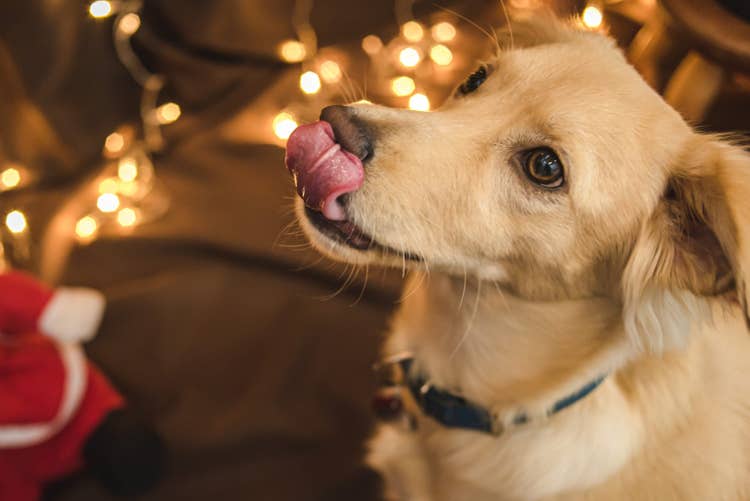
One of the best parts of Christmas is the food, and with all these delicious treats being handed out, it’s only natural for dogs to want in on the action.
While sneaking your dog a little slice of turkey may not do any harm, some Christmas foods are toxic to our pets and cause severe internal damage and even death if ingested.
Toxic Festive Plants
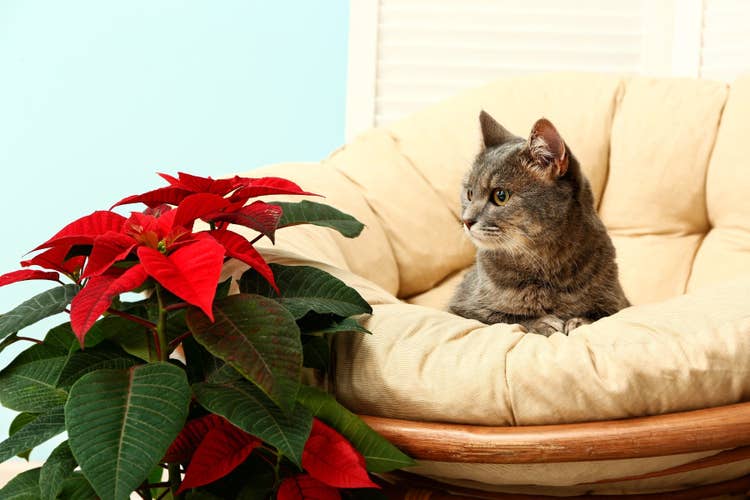
Nothing beats decking the halls with Christmas decorations and plants, but some of these things can be more dangerous to your pets than you realise.
Many indoor plants are toxic to pets, and these festive ones are no exception.
This plant is a popular indoor choice because of how the branches and leaves hang down. Still, it is also a standard inclusion in Christmas decorations, particularly wreaths or other displays.
Ivy is toxic to most living things because it contains saponins and polyacetylene compounds. However, pets and children are at much higher risk of poisoning from either ingestion or touch. Ivy can cause stomach upsets and even severe skin irritation or allergic dermatitis.
Many types of Christmas trees have relatively low toxicity to pets. However, the natural oils in the needles can irritate your pet’s mouth and stomach and vomiting, drooling, and diarrhoea may occur if ingested. Pine needles are also small and sharp and can easily cause damage to your pet’s mouth and throat if eaten or swallowed, or prick their feet if trodden on once the needles fall off.
Christmas trees can also be a real temptation for cats, who are easily tempted by the twinkling lights, hanging decorations and the innate need to climb. If you want to find effective ways to keep your cat safe and away from the Christmas tree, check out our Cat Proofing Your Christmas Tree guide here.
Other Christmas Dangers to Pets
While we’ve talked about the things that are outright toxic to your pets, there are several other things you should be wary of this Christmas that can be hazardous to your pets, including:
- Christmas Lights - These lively, flickering lights give a festive feel to any home, but they can easily draw your pet's attention as well. If you have a pet prone to chewing things, they can quickly get their teeth sunk into any wiring and risk electrocution. Those tiny bulbs can also get hot if left on for long periods, which increases the risk of your pet being burned, so make sure they’re kept out of your pet’s way and are never left on around pets without supervision.
- Decorations - Baubles can be irresistible to pets (they look like balls, after all), leading to your pet trying to play with or bite them. Baubles are often made of thin plastic that can shatter under pressure, which can cut your pet’s mouth or feet if they bite or walk over them. If swallowed, these broken pieces can cause more internal damage as they work through your pet’s insides.
- Wrapping Paper - Pets love to chew things you don’t want them to, and discarded wrapping paper is very high on that list. While some wrapping papers (such as plain wrapping paper or crepe paper) won’t harm your pet if they chew it, other paper can be imbued with chemicals to make them colourful or sparkly, and these things can be toxic to pets, so it’s best to keep them out of your pet’s mouth.
- Silica Gel - Any gift you buy may also have silica gel in it in some capacity, usually a small paper packet of beads meant to control humidity and avoid any spoilage of the goods they’re packaged. These packets always have warning labels saying not to eat them, but since your pet can’t read, the odds of them seeing these packets as tasty little snacks are very likely. While it may take a lot of silica gel actually to poison your pet if ingested, these little packets can quickly become lodged in your pet and cause blockages to the respiratory or digestive system, which can have dangerous, if not fatal, consequences.
Tips to Protect Your Pet This Christmas
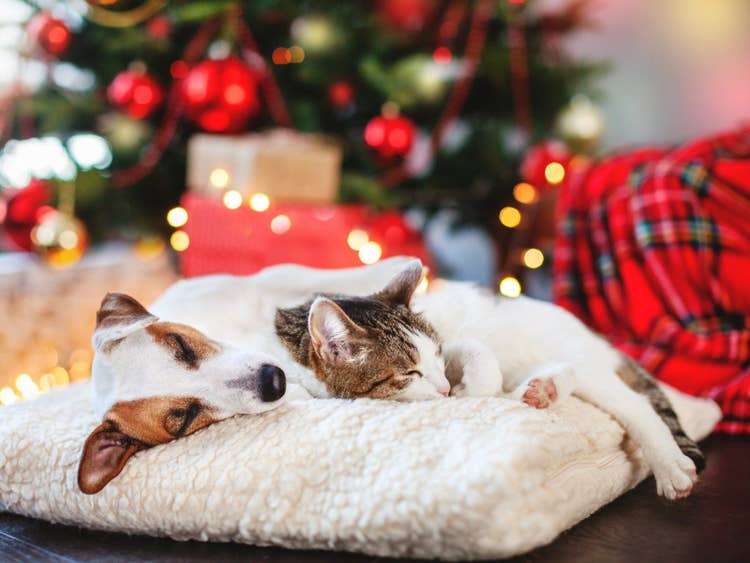
There are several ways to stop your pet from eating something toxic and keep them safe this Christmas, and the easiest option is avoidance. By not having any potential toxins in the home or keeping your pet away from them, you can ensure there’s no chance of accidental ingestion and keep your pet happy and healthy this Christmas. But that doesn’t mean you need to sacrifice the Christmas spirit! Here are some of our top tips on keeping your pet lear of Christmas dangers this year:
- Opt for artificial plants - Whether it’s Christmas trees or decorative indoor plants, there is a great range of artificial options available on the market today that are far safer for your pets and reduce any risks of ingestion or damage to both your pets and the decorations.
- Restrict your pet’s access - If you are dead set on a real pine tree, or you want to keep your pet safe from the Christmas goodies, the other option is to limit where your pet has access to in the home for this period. Keep your pets out of the kitchen while you’re cooking Christmas dinner and keep any other foods safely tucked away in cupboards or the refrigerator until it’s time to eat them. If you have your Christmas tree in a central room in your home, try putting up a fire gate or some kind of barrier that keeps your pet away.
- Clean up quickly - It’s very hard for pets to eat things when they’re not there, so make sure you always clean up your Christmas mess as quickly as possible. Whether it’s wrapping paper, leftovers or food, the less time these things stay in your pet’s vicinity, the less likely they are to be tempted by them.
- Keep them distracted - Another great way to keep your pet’s attention off things they shouldn’t focus on is by keeping them distracted, and toys are the best way to do that. Cat toys infused with catnip can help distract them from the twinkling temptation of the tree, and dog toys are a great alternative for them to chew.
What To Do If Your Pet Eats Something Toxic
If your pet has eaten something toxic or anything that wasn’t food, it is essential that you contact your vet immediately and have them seen.
Depending on what your pet has eaten, they may need intravenous medication to flush their systems or even surgery to remove any internal blockages.
You can also call the Animal PoisonLine, which offers 24-hour advice from trained veterinarians on what to do if you think your pet has eaten something toxic.
Christmas is a time of merriment, and by being aware of these common Christmas dangers, you can ensure the whole family has a safe and happy Christmas season to remember.
If you’re looking for ways to treat your pet this holiday season, why not take a look at Winter Essentials, which offers a range of toys, foods, and supplements to keep those tails wagging whatever the weather?

