Why Does My Dog Eat Weird Things?
Sometimes it seems that dogs will eat pretty much anything that’s put in front of them – whether you want them to or not! From grass and dirt to clothing and even furniture, it can be concerning to see your dog chowing down on things they shouldn’t be. In this article, we’re going to be taking a closer look at the things you might catch your pup chomping on and why they do it. And, most importantly, how you can stop them from doing so.
Contents:
- Why your dog eats strange things
- Symptoms of Pica in Dogs
- Reasons your dog eats strange things
- Strange things your dog might be eating
- Why your dog eats poo
- Dangerous things your dog might eat
- How to stop your dog eating things they shouldn't
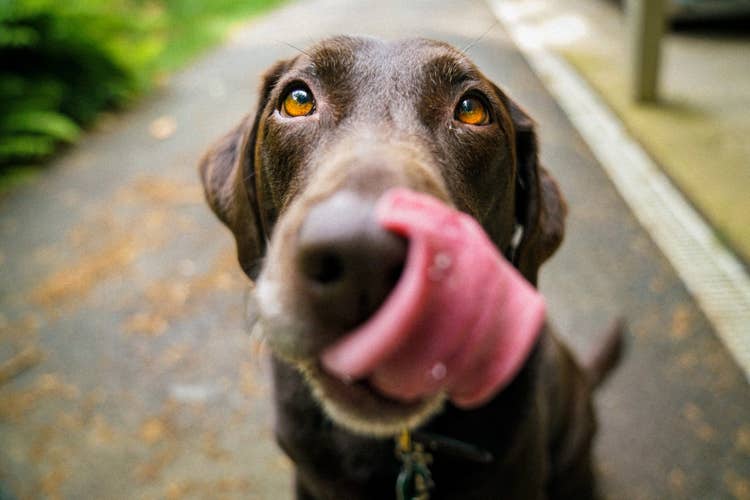
Why Your Dog is Eating Strange Things
Dogs eating strange things is nothing new. It’s so common that there are even terms to define your dog eating non-consumable items. These are known as Pica and Coprophagia, and we will examine what these terms mean.
Pica in Dogs
Pica is the term used to define when your dog is eating strange and often non-consumable and non-nutritious food items. This can include dirt, sand, clothing, and even shoes you haven’t seen for too long. Unfortunately, dogs with pica often aren’t picky and can lead to your dog eating toxic items as they don’t know any better.
Coprophagia in Dogs
As well as eating strange things, dogs can also eat some downright disgusting things, which has its own term: coprophagia. This is a form of pica that specifically refers to the consumption of faeces and is actually the most common form of pica your dog will pick up.
Symptoms of Pica in Dogs
There is a range of pica symptoms that your dog might display, but the most obvious one is them eating non-consumable and non-nutritious items. However, if they sneak a weird little snack while you’re not looking, you may notice some of these other pica symptoms:
- Vomiting and/ or diarrhoea
- Bad breath
- Difficulty passing faeces or black, tarry stools
- Ulcers
- Abdominal pain or gastrointestinal blockages
- Sneezing or coughing from respiratory blockages
- Burping, drooling or choking
- Gastrointestinal blockages
- Infection (especially if the consumed item was contaminated)
- Poisoning if the substance was toxic (this can include certain plants, foods, medicines and household chemicals)
If your dog is displaying any of the above symptoms, but you’re unsure what they ate, contact your emergency vet immediately. These symptoms are serious, and depending on what they ate, it can be harmful to their health.
Reasons Why Your Dog is Eating Non-Food Items
There is a wide range of reasons why your dog may have pica and is consuming non-food items, some of which are easier to resolve than others. It is important to note that the reason why your dog has pica can also depend on what it is specifically they are eating, but we’ll cover that later.
The cause for your dog’s pica can typically be split into two causes: behavioural and medical. Some of the behavioural reasons your dog is eating things they shouldn’t are:
- Your dog is curious
- Your dog is attention seeking
- Your dog is lacking in socialisation or mental stimulation
- Your dog has anxiety or stress
- Your dog is bored
- Your dog is hungry, or something looks/smells like food
However, there are some medical reasons or underlying conditions that may be causing your dog’s pica, including:
- Teething as a puppy and needing to chew something
- Inflammatory bowel disease
- Diabetes or anaemia
- Parasitic infection
- Stomach tumour
- Neurological diseases
- Vitamin deficiency
- Malnutrition, malabsorption or an unbalanced diet
- Hyperthyroidism
- Exposure to corticosteroids or anti-seizure medication
If you think a medical reason causes your dog’s pica or that they have one of the above conditions, it’s important for you to consult your vet. Some of these conditions can have a serious impact on your dog’s health, and the longer it’s left, the harder it can be to treat.
Things Your Dog May Be Consuming
While it may seem like your dog is eating whatever they can sink their teeth into, there are some repeat offenders that are more common for dogs to eat than others. These often include:
- Grass
- Dirt
- Stones
- Clothing
- Poop
- Sick
- Rubbish
- And more!
To help give you a better understanding of why your dog may be eating one or more of the above items, as well as what you can do to stop it, we've taken a closer look at each one individually.
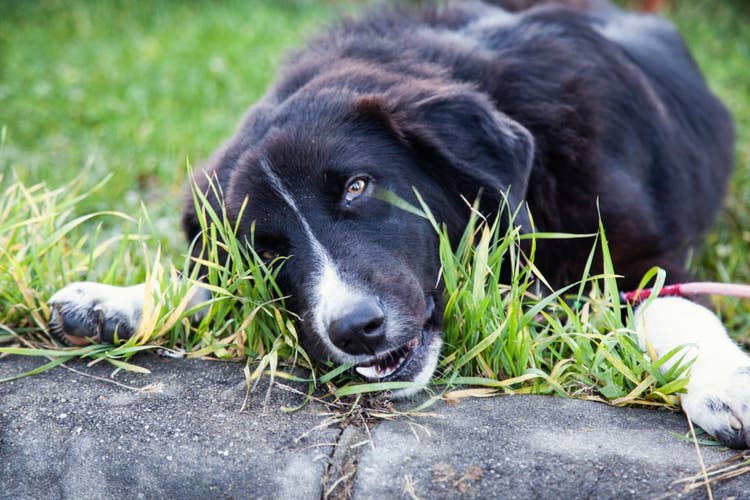
The most common reason dogs eat grass or similar vegetation is that they have eaten something that upsets their stomach or causes them to need to throw up.
However, some studies have shown that dogs eat grass to aid digestion, as they lack fibre. This is why you may see your dog tearing grass and eating it without chewing. Or, perhaps your dog likes the taste!
While eating grass might seem harmless, it could be dangerous if your dog eats grass treated with chemicals such as fertiliser, herbicides, or other toxic garden chemicals. Eating grass can increase your dog's risk of picking up parasites, particularly worm eggs or larvae, as grass makes the perfect place for them to hide.
You should discourage your dog from eating grass and instead provide a fibre-rich dog diet or dog probiotic supplements to aid digestion.
It’s no secret that dogs love to dig and are not fussy about where they do it! This, along with your dog's strong sense of smell, typically leads to them eating dirt as they try to tear away some of the ground or smell something particularly tempting that they have to try.
Dogs eating dirt occasionally isn't much of a worry, although it can increase their chances of eating soil contaminated by worm eggs or larvae, so ensuring your dog is treated routinely with worming tablets is essential.
However, if your dog is continuously eating soil, it could be a sign that your dog is lacking nutrients and foraging for them elsewhere, as they would in the wild. In extreme cases, dogs eating dirt can signify underlying health conditions that are impacting their kidneys and intestines, although eating dirt will not be the only symptom, but combined with:
- Vomiting and/or diarrhoea
- Loss of appetite and weight loss
- Excess urination (both inside the home and outside)
- Weakness and lethargy
If you notice your dog displaying any of the above symptoms, book a consultation with your vet as soon as possible.
Eating rocks can be a sign of both medical and behavioural problems with your dog.
Sometimes dogs will attempt to eat rocks as a form of attention-seeking, or because they're feeling stressed or anxious. Other times, dogs will pick up rocks on walks because they look ball-shaped and want you to throw them so they can retrieve them. In these instances, we recommend bringing dog toys on your walk to redirect your dog's playful energy into something productive, like a game of fetch or chase.
Dogs also have an instinct to chew things to care for their teeth and jaws. Rocks appeal in this instance because they're hard and solid, offering a challenge to them over sticks. However, rocks are incredibly hard on your dog's teeth and can cause damage to both their teeth and gums if they chew them.
Seeing your dog eating poop (either it's own or something else’s) can be alarming and, frankly, gross, but it’s actually very normal for a dog to do and is rarely because of an illness or something lacking in their diet.
The most common reasons for a dog eating poop are hunger (especially if they have a big appetite or are on appetite-increasing medication), boredom, attention-seeking, and stress or anxiety.
It’s important to know that it is perfectly natural for a mother dog to eat her puppy’s poop and so this behaviour shouldn’t be discouraged. Puppies may also eat their littermate's poop out of curiosity or by mimicking their mothers. While this usually stops once a puppy is in a new home, sometimes it can become a habit as they age, especially if they’ve got a taste for it.
While eating poop doesn't tend to cause health problems, it’s important to remember that eating contaminated faeces can cause your dog to contract worms, so keeping up with your routine worming treatments (especially with mothers and puppies) is essential.
If you do want to deter your dog from eating poop, it’s essential to keep them supervised and remove any temptation by cleaning up after your dog or other pets before they have the chance to eat any. If you’re out on a walk and your dog spots a tasty morsel, try to distract them with toys, treats or fuss and reward them for their good behaviour. As with any habit, this can be hard to break, but it’s certainly worth it if you're a fan of puppy kisses!
Following on from your dog eating poop, your dog might also decide what comes out the other end is a tasty snack. Yes, we’re talking about sick. Once again, eating sick doesn’t tend to be much of a concern for your dog’s health, whether it’s their own or another pet’s, but you should be more concerned about why your pet is being sick in the first place.
Some dogs are so enthusiastic about their food that they wolf it down and then get to try it twice when it comes back up, either unchewed or undigested. In these instances, it may be time to introduce a slow-feeding bowl that encourages your dog to chew and swallow its food and not want it all in one go.
However, if your dog is sick while eating normally or shortly after, this could be because of an illness, dog food allergy, or intolerance. In this case, re-ingesting the food could cause the dog to become even more unwell, so it’s important to find out why your dog is sick rather than being concerned about them eating it.
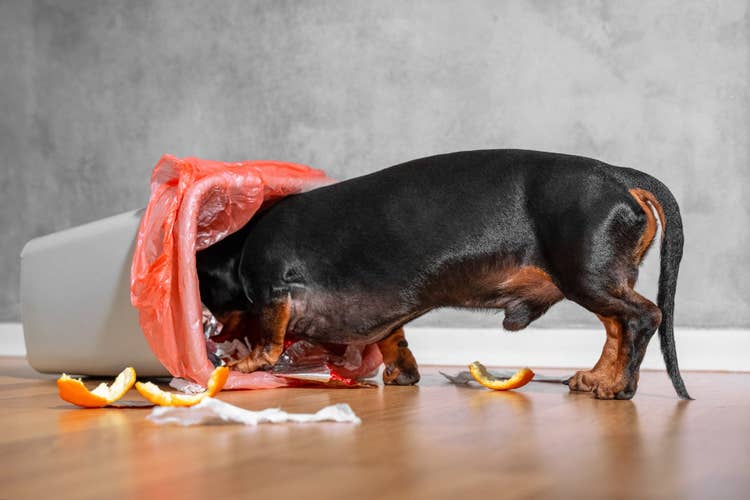
Some dogs are naturally born scavengers, and most of the time, your dog will love nothing more than a good rummage through your bins if given a chance. This is most likely due to the wide range of aromas and food scraps that might be lurking inside that your dog finds too tempting to resist. If you find your dog constantly digging through the trash, this could be a sign that they’re being greedy or have become so used to being fed human food that they’re willing to go to any lengths for another taste. Or, it could indicate that your dog isn’t getting enough food in their daily meals.
If you’re trying to deter your dog from going through the bins, empty them frequently (especially when there are food scraps inside) and ensure your dog is getting enough food in their meals or enough meals throughout the day. Dogs should be deterred from going through the bins, as people often throw away things that can harm them if ingested.
Other Things Your Dog Might Eat
As well as the common culprits we’ve mentioned, you may also see your dog eating other strange things like bugs, moths, ice cubes, dust and even bits of fluff, among other things. While these things are bizarre and might make you cringe, they are fine for your dog’s health and are likely being eaten out of curiosity or as part of a game.
Be sure to watch out if your dog is trying to eat any harmful insects like wasps or bees, though, as this can lead to your dog being stung. Most of the time, dogs will recoil from a bee or wasp before they get stung, but if they don’t, a bee sting can lead to facial swelling, which (while sometimes hilarious) is a good reason to take them to the vet to ensure everything is okay.
Dangerous Items Your Dog May Eat
As we’re sure you’ve noticed, a lot of dogs will eat pretty much anything, and while most of these things are harmless in moderation, there are some things your dog should not eat. Some of these items are incredibly harmful or even toxic to your pet and if you see your dog eating or swallowing one of these items, they should be taken to the vet immediately for treatment:
- Batteries — Battery acid is a highly corrosive substance and can be harmful to your dog if ingested. Always keep batteries out of your dog's reach or tucked safely in a drawer, and try to dissuade your dog from eating anything with batteries inside, including children's toys and TV remotes.
- Medication — Whether the medication is meant for dogs or not, when taken in excess, medications can cause your dog to become very ill or even overdose. Some human medication is also toxic to pets, so should always be kept out of their sight and reach.
- Plastic Objects — Chewing on plastic can lead to blockages in your dog if swallowed whole as well as internal cuts in their mouth or insides if the plastic is broken and sharp.
- Fabric or clothing — While your dog may love chewing on your socks or clothing, you should try to deter them from doing so because, if swallowed, these fabric items can stretch or bunch up in your dog’s throat or intestines and cause a blockage.
- Toxic items — Anything toxic should always be kept shut away to avoid it being consumed by pets or humans, including household cleaners or chemicals.
- Some human food — While some of your tasty treats may tempt your dog, it’s essential to know what human foods your dog can and cannot eat, as some of them may be a common dog allergen or even a toxin.
How to Stop Your Dog From Eating Everything
If you notice your dog has pica or you see them constantly trying to eat things they shouldn’t, the first step to stopping them is finding the root cause, particularly to see if the reason is behavioural or medical. You should consult your vet if you think your dog’s pica is caused by a medical issue, as there are some medications your dog can be prescribed to help treat it, or advice on changes you can make to your dog’s diet or lifestyle.
If you think your dog’s pica is more of a behavioural issue, then here are some ways you can help break this disordered eating habit:
- Training and rewarding them— Dogs respond well to positive reinforcement. By training your dog not to eat a sure thing and rewarding them when they don’t, you can help build a positive association that will deter them from eating things they shouldn’t.
- Removing temptation— Keep things you don’t want to be eaten out of your dog’s sight and reach to minimise the chances of them sinking their teeth in. Clean up after your dog or other pets after they’re sick or go to the bathroom.
- Chew toys and boredom breakers—I f your dog is eating things because they’re bored or teething, make sure you have plenty of toys available to keep them entertained and mentally stimulated, like this Pet Remedy Boredom Buster Foraging Kit.
- Anxiety sprays and dog deterrent sprays— If your dog is eating unsavoury things for attention or to relieve stress and anxiety, you can try helping them relax with a dog calming aid or by using a dog deterrent spray to remove the temptation.
- Muzzles when walking outside— While this may seem extreme, sometimes the sights and smells of the outside world can prove too tempting for your dog to resist. By keeping them muzzled, you will have an effective barrier that removes the temptation and physically stops your dog from eating or chewing things they shouldn’t, although this should be kept as a last resort.
- Dog supplements like this Copro-Nil behavioural aid help with the correction of coprophagia.
Your pet's safety is at the heart of everything we do, and we know it can be concerning to see them eating things they shouldn’t. However, with a bit of time and patience, you can break these bad habits in no time. If you’re looking for advice on how to train your dog, why not check out our complete dog training guide?
If your dog is prone to eating things they shouldn't like soil or poo, then make sure you always stay up to date with their parasite prevention treatments to stop infestations before they start. Shop our complete range of dog flea and worming treatments below.

This post is an opinion and should only be used as a guide. You should discuss any change to your pet’s care or lifestyle thoroughly with your vet before starting any program or treatment.
