
When Are Dogs Allowed on the Beach?
When the sun is shining, there’s only one place we want to be. That’s right, the beach! And what good is a family day out without our four-legged friends?
When it comes to UK beaches, there are a few rules you need to be aware of when taking your dog to the beach, which is why we’ve put together this blog. Here, you’ll find all the rules and regulations in place for dog-friendly beaches, as well as what times of year are best for taking your dog to the beach.
Key Takeaways:
- Every beach has different regulations on when dogs are allowed, but many follow a seasonal trend: dogs are typically banned on beaches between 1 May and 30 September.
- Dogs are banned from beaches during peak use as a hygienic measure to reduce the amount of dog poo on beaches and lessen the risk of Toxocariasis, a condition in humans caused by Roundworms In Dogs.
- Owners who take their dogs to the beach during times when they're not allowed may face a fine between £100 - £1,000.
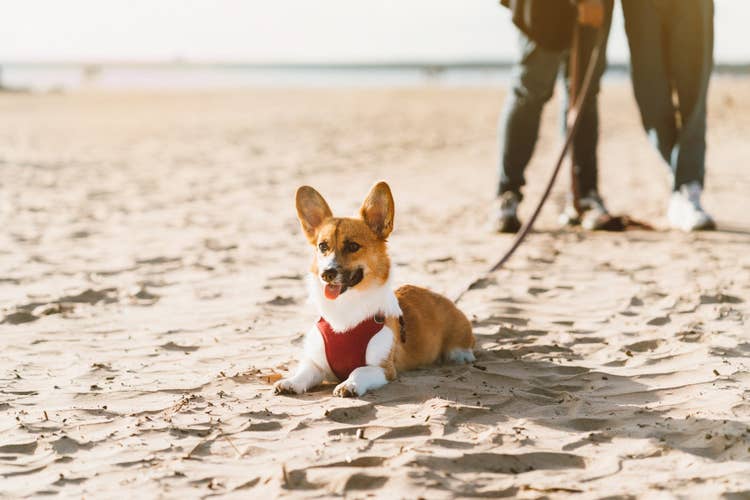
Can Dogs Go to the Beach?
The short answer to this is, sometimes.
The vast majority of beaches follow the same ruling, which is that dogs are allowed to be walked on the beach from the 1st of October to the 30th of April every year.
During this time, you are allowed to walk your dog on the beach and let them play in the sea with little to no restriction. Just always make sure to clean up after your dog when on the beach, as not doing so can lead to a Fixed Penalty Notice of £100, or a fine of up to £1,000 if you’re taken to court.
When Are Dogs Not Allowed on the Beach?
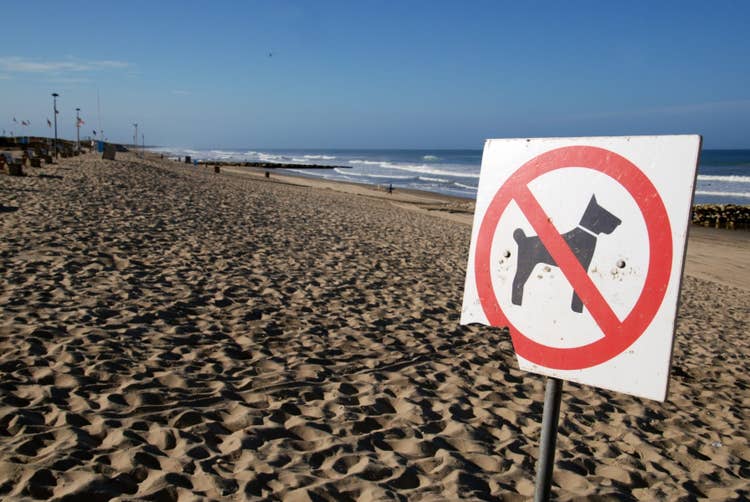
For many beaches in the UK, there is a ban on dogs at the beach between the 1st of May to the 30th of September every year. This ban may be a blanket ban on having dogs at the beach, or it may be a more liberal ban, such as dogs only being allowed on the beach if they are on a lead, dogs only being banned during certain times, or dogs only being allowed on a particular section of the beach.
If you want to know the rules regarding dogs on your local beach, or you’re planning a seaside holiday and want to know where you and your dog can go, make sure you check the ruling with the local council before you travel to the beach.
Many beaches will also have signage up before each entry point to the beach to ensure visitors are aware of the rules on dogs.
If you ignore a beach ban on dogs or disobey rules regarding leads or which areas dogs are allowed, you could face a fine of up to £100 on the spot or up to £1,000 in you are taken to court under Public Spaces Protection Orders (PSPOs).
Why are Dogs Banned from Beaches?
The PSPOs on some beaches have been implemented to try to keep beaches cleaner during peak visiting times.
The main reason behind this is hygiene, as many people still don’t pick up after their dogs while they’re in public. Many UK beaches want to preserve the water quality for people who want to swim in the sea, and dog urine and faeces can threaten beaches' Blue Flag status.
Also, dog waste can increase the risk of Toxocariasis, a condition caused by roundworms in dogs, which are typically picked up from their faeces. If left untreated, this condition can lead to blindness in humans. This is why it's important to ensure you keep up to date with your dog's routine worming treatments.
While the idea of a dog ban may seem rather dire, it’s important to remember that there are still plenty of dog-friendly beaches in the UK, so there’s no reason why your four-legged friend should miss out on all the seaside fun.
If you’re looking to bring your dog along for some sun, sea and sand, then make sure you're prepared with our fantastic range of Summer Essentials for dogs, including cooling products and dog poo bags.

This post is an opinion and should only be used as a guide. You should thoroughly discuss any change to your pet’s care or lifestyle with your vet before starting any program or treatment.
