
{block: mb:12px}What is Cold Water Tail in Dogs?
Since a lot of dog body language is expressed through their tail wagging, it can be concerning to see it suddenly go limp. However, this can be a common problem during the colder months as your dog runs the risk of developing cold water tail. Here, we discuss exactly what cold water tails is and how to prevent it.
Key Takeaways:
- Cold water tail is a temporary condition that causes your dog’s tail to fall limp between their legs.
- Cold water tail commonly occurs after a dog has been exposed to cold, wet weather, overexerted themselves, or confined to a crate for too long.
- Cold water tail typically lasts only a few days or up to a week. However, you should still consult your vet to determine the severity of the condition, as some dogs require anti-inflammatory medication while they recover.
Limber Tail Syndrome in Dogs
Acute caudal myopathy (also referred to as limber tail syndrome, cold water tail or swimmers tail), is a temporary condition that causes your dog’s tail to fall limp between their legs, even while they’re moving. Other signs of limber tail syndrome include:
- Discomfort or pain at the base of the tail
- Your dog refusing to sit
- Swelling at the base of the tail
- Raised hair at the base of the tail
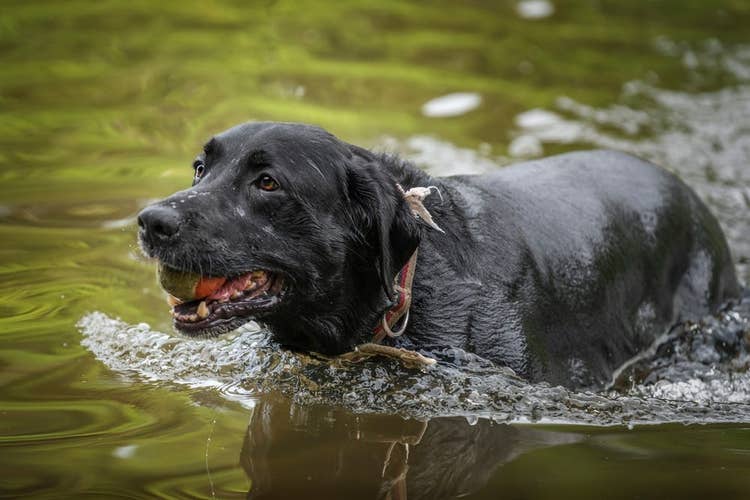
Limber tail syndrome is caused when the blood supply to your dog’s tail muscles is restricted, much like how a person might lose feeling in a limb. This often occurs after your dog has been exposed to cold, wet weather, has overexerted themselves, typically by swimming, or has been confined to a crate for too long.
While cold water tail can affect any dog of any age, it seems particularly common in larger working dogs, such as:
- Beagles
- Labradors
- Golden Retrievers
- English Setters
- English Pointers
Just because your dog is not one of the above-mentioned breeds does not mean they cannot develop cold water tail. If your dog is struggling to lift or move their tail, you should contact your vet as soon as possible for a professional diagnosis, as there are other conditions that may be at fault, such as:
- An injury or fracture to the tail
- Intervertebral disc disease
- Prostatitis
- Tail fracture
- Tail cancer
- Impacted anal glands
Is Limber Tail Syndrome Painful?
While limber tail syndrome is not dangerous or a long-term condition for your dog, it is still a painful experience. They may struggle to lift or move their tail at all, which can also be distressing for your dog emotionally, leading to them biting at their tail, being more lethargic, or even whimpering.
Cold Water Tail Treatment
You should always have a dog who can’t move their tail examined by a vet. Not only will they be able to give you the best advice on treating the issue, but they will also be able to determine if there has been any bone damage. Bear in mind that a dog’s tail is directly connected to their spine.
Some of the treatments for limber tail syndrome your vet will recommend include:
- Anti-inflammatory medications, which your vet will prescribe if necessary.
- Heat packs placed at the base of your dog’s tail can help aid recovery as they do when a person has a muscle injury.
- Rest is the best treatment for limber tail syndrome in dogs as it gives the muscles time to heal without the risk of reinjury, Switch to gentle walks during their healing period
Most of the time, cold water tail doesn’t last for more than a few days or perhaps a week. And just because your dog has suffered limber tail once does not necessarily mean they will again. The most important thing for you to do now is to ensure your dog is comfortable and resting so they can go back to doing the things they love.
How to Prevent Swimmers Tail in Dogs
Swimmer tails can become a recurrence in some dogs, especially if they’re prone to swimming in cold conditions or become over-excited or exerted frequently. To help prevent cold water tail in your dog, make sure to:
- Build up your dog's stamina at a steady pace
- Set limits when exercising your dog to prevent over-exertion (especially in working breeds)
- Allow your dog breaks to stretch and exercise if they’re kept in a crate.
- Keep your pet’s bedding dry, especially during colder weather.
We hope this guide has given you some insight into cold water tails and what it means for your dog should they develop this condition. If you’re looking for ways to ease your dog back into exercise after an injury, then why not check out our range of dog-walking accessories?

This post is an opinion and should only be used as a guide. You should discuss any change to your pet’s care or lifestyle thoroughly with your vet before starting any program or treatment.
