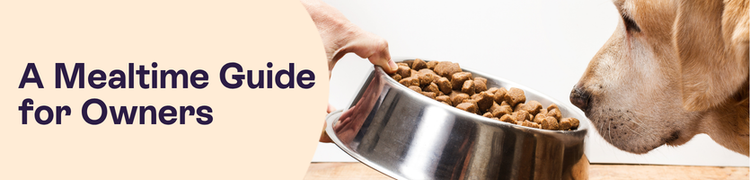
Keeping Your Pet Fed, Healthy and Happy: A Mealtime Guide for Owners
Why Pet Food Planning Matters More Than Ever
In preparation for the winter months, the government has launched the "Be Ready" campaign, which encourages people to keep enough essential supplies to last at least 72 hours in case of disruption from events such as severe weather or power outages. Pet food is mentioned as an essential that shouldn’t be overlooked, but that doesn’t mean panic-buying excessive amounts of pet food.
In this blog, we'll discuss how to monitor your pet's food requirements and ensure they always have what they need.
Know How Much Food Your Pet Really Needs
There are lots of useful articles and blogs online that can be helpful when trying to decide how much to feed your pet, but it's worth remembering that general feeding guidelines often need to be adjusted depending on your pet's weight, health and age. If you're unsure about what advice to follow or what's really best for your pet, it's always a good idea to speak to your vet.
Don't Wait Until the Last Scoop
It's important to keep track of how much your pet eats on a regular basis so that you can anticipate when you'll need to buy more food. For example, a dog eating 250g of food each day will get through a 12kg bag in around 48 days. Having this information makes it much easier to reorder before supplies run out. Keeping a small reserve of food on hand can also provide peace of mind during emergencies or unexpected disruptions.
How to Keep Pet Food Fresh for Longer
Another way to help ensure you have an adequate supply of food for your pet is to keep it fresh and appetising for longer. Food storage plays a key role in maintaining freshness.
For dry food, storing it in a cool, dry place is important because heat, sunlight and moisture can all reduce food quality over time. Moisture is particularly problematic because it can encourage mold growth and spoilage. Wet food naturally spoils more quickly once opened and should be covered and stored in the fridge . If you’re not sure which one to feed your pet, try reading our Complete Guide to Mixed Feeding Pet Food for more clarity on the matter.
The way your pet's food smells is also a big part of what encourages them to eat it, so it's important to keep bags sealed tightly to maintain freshness and aroma.
Creating a Healthy Feeding Routine
Feeding your pet at the same time each day and maintaining a consistent schedule can help support healthy digestion. Overfeeding can be harmful to your pet's health, so it's important to follow the feeding guidelines on the packaging and measure portions accurately rather than estimating by eye. Portion sizes should be adjusted based on your pet's age, breed, size and activity level. Nurses will often run weight management clinics, where they will be able to support you with how much to feed if you have concerns.
Pets should always have access to fresh, clean drinking water alongside their meals. While treats can absolutely be part of a balanced diet, they shouldn't account for more than 10% of your pet's daily calorie intake to maintain a healthy weight.
Use feeding times as an opportunity to check your pet's appetite, as changes can sometimes indicate an underlying health issue. Establishing a consistent feeding routine can help support your pet's overall health and wellbeing. By feeding the right amount at regular intervals and keeping an eye on their weight and appetite, you can help ensure they're getting the nutrition they need while making mealtimes a positive part of their day.
As your pet grows and gets older, their nutritional needs can change. Regularly reviewing their diet and monitoring their weight, appetite and energy levels can help ensure they're still receiving the right balance of nutrients for their age, size and lifestyle. Visit our blog Dog Food by Age: The Best Dog Food by Life Stageto learn more!
Make Mealtimes More Fun with Enrichment Activities
Make mealtimes more engaging by incorporating enrichment activities into your pet's feeding routine. Puzzle feeders, snuffle mats and lick mats can help provide mental stimulation, encourage natural foraging behaviours and slow down fast eaters. You can also hide food around the home or garden for your pet to discover, turning mealtime into a rewarding activity that helps keep them entertained, challenged and excited about their food.
Planning Ahead for Busy Periods and Emergencies
Planning ahead can help ensure your pet never runs out of food during busy periods, holidays or unexpected situations. Keeping a small reserve of your pet's usual food allows you to avoid last-minute shopping trips and reduces the risk of sudden diet changes, which can upset their digestion. Regularly checking stock levels and reordering before supplies run low can help maintain a consistent feeding routine and provide peace of mind when life gets hectic.
Convenient Ways to Stay Stocked Up on Pet Food
Making it easy to stay stocked up on pet food can help take the stress out of feeding your pet. Subscription servicesand repeat delivery options allow you to schedule regular orders, helping to ensure you never run low on their favourite food. Buying larger packs or multipacks where appropriate and setting reminders to reorder can also help you stay organised, save time and maintain a consistent feeding routine throughout the year.
A Simple Checklist for Better Pet Mealtimes
- Feed your pet at consistent times each day.
- Measure and weigh portions to avoid overfeeding.
- Always provide fresh, clean drinking water.
- Store pet food correctly to maintain freshness.
- Introduce new foods gradually.
- Use puzzle feeders, lick mats or snuffle mats for enrichment.
- Monitor your pet's weight and appetite regularly.
- Keep a small reserve of food for busy periods and emergencies.
- Reorder food before supplies run low.
- Choose a feeding routine that suits your pet's age, lifestyle and individual needs.
Keeping these simple habits in place can help support your pet's health, make mealtimes more enjoyable and help ensure they're always well fed, whatever life has in store.
Conclusion
Creating better mealtimes for your pet doesn't have to be complicated. By choosing high-quality food, sticking to a consistent feeding routine, introducing enrichment activities and planning ahead, you can help support your pet's overall health and wellbeing while making mealtimes more enjoyable. Small changes can make a big difference, helping to ensure your pet stays happy, healthy and well-fed every day.
This post is an opinion and should only be used as a guide. You should thoroughly discuss any change to your pet’s care or lifestyle with your vet before starting any program or treatment. We update content regularly to reflect the latest pet health standards.

Ore Ige
SEO Content Executive
Ore Ige is the SEO Content Executive at Pet Drugs Online, creating trusted pet health content that helps pet owners make informed decisions with accurate, accessible and user-focused information. Working alongside Pet Drugs Online's veterinary team, including Sarah Page-Jones and Hannah Nott, Ore helps produce content that is evidence-based, trustworthy, and aligned with current veterinary best practice.