How to Keep Dogs and Other Pets Calm During Fireworks
From Bonfire Night and Diwali to New Year’s Eve and private celebrations, fireworks can be heard throughout autumn and winter. Their sudden bangs, bright flashes and unfamiliar smells can be frightening for dogs cats, horses and smaller pets.
Preparing in advance can help keep your pet safe and make fireworks season easier to manage. This guide explains why dogs are often frightened by fireworks, the signs to look for and how to support different pets before, during and after a display.
Reviewed by Hannah Nott BVSc MRCVS
How to Calm Pets During Fireworks
There is no single approach that will work for every animal, but you can help them feel safer by:
- Preparing a familiar retreat they can use whenever they choose.
- Walking and feeding them before fireworks are likely to begin.
- Securing doors, windows and gardens to reduce the risk of escape.
- Closing curtains and using steady background sound to soften the bangs and flashes.
- Remaining calm and allowing your pet to hide, move around or seek reassurance.
- Speaking to your vet in advance if your pet has previously shown severe fear.
The individual needs and preferred ways of coping for each animal will be different, so take note of what works for your pet
Why Are Pets Scared of Fireworks?
Fireworks combine loud, unpredictable noises with bright flashes, vibrations and unfamiliar smells. Because the sounds appear without warning and can come from different directions, pets may struggle to understand where the disturbance is coming from or whether they can move away. This can trigger a natural fight, flight or freeze response.
An animal’s reaction can be influenced by their temperament, previous experiences, age and general health. Even a pet that has appeared calm in the past may behave differently during another display.
Each species expresses their fear in different ways.
Signs Your Pet Is Scared of Fireworks
A dog that is scared of fireworks may shake, pant, pace or try to escape, but some reactions are less obvious. Cats, horses and small pets may become unusually quiet or withdrawn, so look for any change from your pet’s normal behaviour.
Pet Possible signs of fireworks anxiety
Dogs - Panting, shaking, drooling, pacing, barking, whining, hiding, refusing food, toileting indoors or trying to escape
Cats - Hiding, freezing, crouching, flattened ears, restlessness, overgrooming, eating less or toileting outside their litter tray
Rabbits and other small pets - Freezing, thumping, hiding more than usual, rapid breathing, trying to escape or losing interest in food
Horses - Sweating, snorting, calling, trembling, pacing, box-walking, fence-running, bolting or refusing food and water
These behaviours can also be associated with pain, illness or other sources of anxiety in pets. Speak to your vet if the change is sudden, severe or continues once the fireworks have stopped. Rabbits and other small animals that stop eating or passing faeces should receive prompt veterinary advice.
How to Prepare Your Pet for Fireworks Season
Preparing before the first displays begin gives you time to secure your pet’s surroundings and introduce any changes gradually.
- Expect fireworks throughout the season: Fireworks may be set off around Diwali, Bonfire Night and New Year’s Eve, as well as at private celebrations. If you can, check local listings for organised displays, but be prepared for unexpected fireworks on other evenings.
- Create a familiar retreat: Choose somewhere your pet already feels comfortable and add familiar bedding or other items they associate with rest. Set it up in advance and make sure they can enter and leave whenever they choose.
- Check security and identification: Look for potential escape routes or hazards around doors, windows, cat flaps, fencing, outdoor enclosures, gardens, stables and fields. Make sure your pet’s microchip details are current (this is a legal requirement!) and that dogs have an up-to-date identification tag.
- Plan any additional support: Check how and when calming products should be introduced, as some need to be used for several days or weeks. Always choose a product suitable for your pet’s species and follow its instructions. If in doubt, talk to your vet.
- Consider longer-term sound training: Recorded firework sounds for dogs can sometimes be used as part of gradual desensitisation, helping them become more comfortable with the noise over time. This should be started well away from fireworks season, with recordings played very quietly while your dog is relaxed. Stop if they show discomfort and ask your vet or a qualified animal behaviourist for guidance.
Preparing on the Day
If fireworks are likely that evening, make any changes while it is still light and your pet is settled:
- Walk your dog and allow them time to go to the toilet before dark.
- Avoid walking your dog once fireworks have started and never take them to a display. If they need to go outside, keep the trip brief, stay with them and use a lead.
- Encourage outdoor cats to come home and provide an indoor litter tray.
- Settle horses and outdoor small pets in the familiar environment chosen for them.
- Make sure pets have access to fresh water and any food or forage they need.
- Close windows, external doors, cat flaps, curtains and blinds.
- Switch on familiar background music, the television or radio before the noise begins.
- Stay with a particularly anxious pet where possible, or arrange for someone they trust to be nearby.
Fireworks can begin earlier than expected, so avoid waiting for the first bang before bringing pets in or securing their surroundings.
How to Comfort Your Pet During Fireworks
Once the fireworks begin, keep your pet’s surroundings as calm and predictable as possible.
Follow Your Pet’s Lead
Some pets will retreat to the space you have prepared, while others may hide elsewhere, pace around or stay close to you. As long as they are secure, let them choose where they feel most comfortable.
Do not force your pet into a crate or bed or try to coax them out of hiding. If they approach you for reassurance, it is fine to stroke, sit with or quietly comfort them. If they prefer to be left alone, give them space while remaining close enough to monitor them.
Never punish your pet for barking, hiding, having a toileting accident or behaving differently. These are responses to fear, and punishment is likely to add to their distress and re-enforce this response.
Offer a Familiar Distraction
A toy, food puzzle, chew or lick mat may help a pet that is still relaxed enough to play or eat. Gentle interaction can also provide a distraction if they appear interested.
A frightened pet may refuse food and play altogether. Do not force them to engage if they would rather hide.
How to Help Cats and Other Pets During Fireworks
Dogs account for much of the visible concern around fireworks, but they are not the only pets that can be affected. Cats, small animals and horses need support suited to their normal environment and behaviour.
Cats and Fireworks
Cats can be scared of fireworks even when their reaction is not immediately obvious. Once your cat is indoors, make sure they can reach their food, water, litter tray and usual hiding places. Some cats prefer enclosed areas under furniture, while others feel safer somewhere high up.
Avoid confining your cat to an unfamiliar room or picking them up while they are trying to hide. Keep them indoors until you are confident the fireworks have finished.
Rabbits and Other Small Pets
Give rabbits, guinea pigs and other small animals plenty of bedding and enclosed areas where they can burrow or hide. You can partially cover an enclosure to reduce flashes and soften the noise, but always maintain good ventilation.
Keep bonded animals together, avoid unnecessary handling and make sure they have continuous access to appropriate food, forage and water.
Horses and Fireworks
Whether a horse is safer stabled or turned out will depend on the individual horse, its normal routine and the security of each environment. Avoid making a sudden change on the night unless it is necessary for the horse’s safety. Make sure wherever they are kept is secure in case your horse is spooked.
Provide suitable forage and water and remove anything that could cause injury if the horse becomes startled. Familiar background sound may help some stabled horses, but any radio should be positioned securely and kept out of reach. Monitor the horse from a safe position without putting yourself at risk.
Can Calming Aids Help Pets During Fireworks?
Calming aids may provide additional support, particularly when introduced before fireworks season. They should be used alongside practical changes to your pet’s surroundings rather than as a replacement for them.
Type of calming aid and how it may be used
Diffusers - Used in the room where a dog or cat spends most of its time to provide ongoing support
Sprays - Applied to suitable areas such as bedding, crates or carriers before they are needed
Tablets, capsules and treats - Given as part of a regular routine or before a known stressful event, depending on the product
Calming collars - Worn by suitable dogs or cats to provide support as they move around
Compression garments - Apply gentle pressure and may help some dogs feel more secure
The right option will depend on your pet, the severity of their fear and where they need support. Always follow the instructions, choose a product intended for your pet’s species and introduce wearable products gradually. If you have any concerns or see any side effects, get in contact with your vet.
If you are choosing between tablets, treats, sprays or plug-ins for your dog, our guide to the best calming products for dogs explains how the different options compare. You can also explore the full range of pet calming products.
When Should You Speak to a Vet About Fireworks Anxiety?
Speak to your vet before the next display if your pet:
- Panics, cannot settle or becomes more frightened each year.
- Repeatedly tries to escape or risks injuring themselves.
- Shows fear-related aggression.
- Stops eating or drinking or remains distressed after the noise ends.
- Develops a sudden fear of sounds or does not improve with the support you have tried.
Your vet can check whether pain or another health problem may be contributing. They may recommend a behaviour plan, refer you to a qualified animal behaviourist or discuss prescription treatment where appropriate.
Never give your pet human medication or veterinary medicine that hasn’t been prescribed for them. Contact a vet or emergency veterinary service immediately if your pet becomes injured, collapses, has difficulty breathing or shows another serious physical reaction.
What Should You Do After the Fireworks?
Wait until the area has been quiet for a while before opening doors or allowing pets outside, as another unexpected firework could cause them to bolt.
Once it appears safe:
- Keep dogs on a lead for toilet breaks if they remain nervous.
- Check gardens, fields and enclosures for firework debris or damage.
- Look for injuries if your pet tried to escape or moved around frantically.
- Return to their usual routine and monitor their eating, drinking, toileting and behaviour.
- Note what helped so you can use it during future displays.
Fireworks are often set off over several evenings, so keep your preparations in place throughout the season. Some animals need longer than others to recover; if your pet remains unusually distressed or does not return to their normal behaviour, contact your vet for advice.
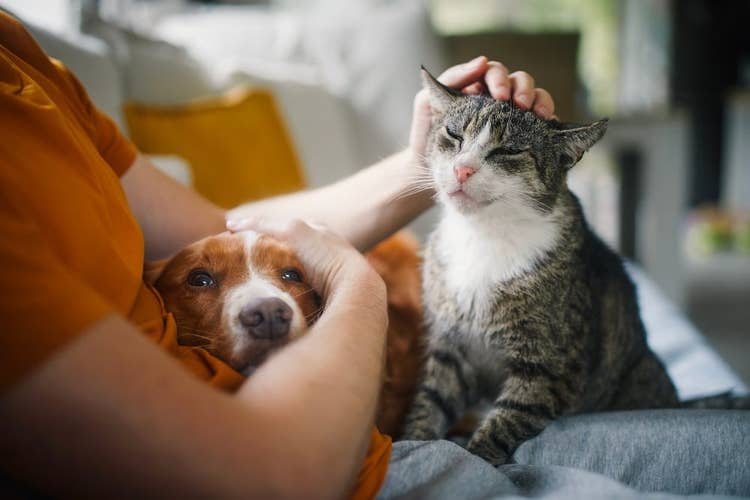
Fireworks are unavoidable at this time of year, and while pet-safe fireworks are available, not everyone will be using them. Make sure you familiarise yourself with when displays are happening near you, and ensure you exercise your pet before these times to ensure they're safe indoors while fireworks are on.
For some added support this Fireworks season, why not browse our complete range of dog and cat calmers below, including options from clinically proven* brands, such as Zylkene®, YuMove® Calming Care and more!
