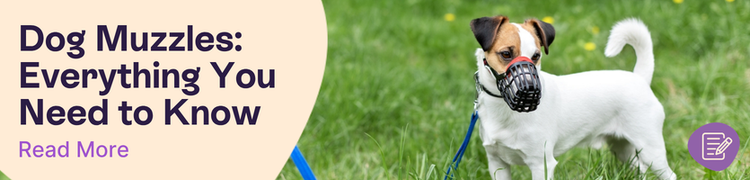
Dog Muzzles: Everything You Need to Know
Dog muzzles get a bad reputation, and the dogs who wear them even more so.
Dog muzzles are not for “aggressive dogs” or "dangerous dogs” but are a useful training tool for any dog that needs one. While typically used as a form of temporary protection (for the dog and the person handling them), many dog owners have tried a muzzle on their dog and haven't looked back since.
In this article, we explore why dogs wear muzzles, when it's appropriate to use one, and how to find the best muzzle for your dog.
Key Takeaways:
- A dog is not "dangerous" just because they are wearing a muzzle.
- Dogs from "banned breeds" who have a Certificate of Exemption are required, by law, to be muzzled and on-lead when in public, even if they have no bite history.
- Muzzles can be used to prevent scavenging or hunting, and are often used by groomers, vets, and rescuers as a precaution for anxious or reactive dogs.
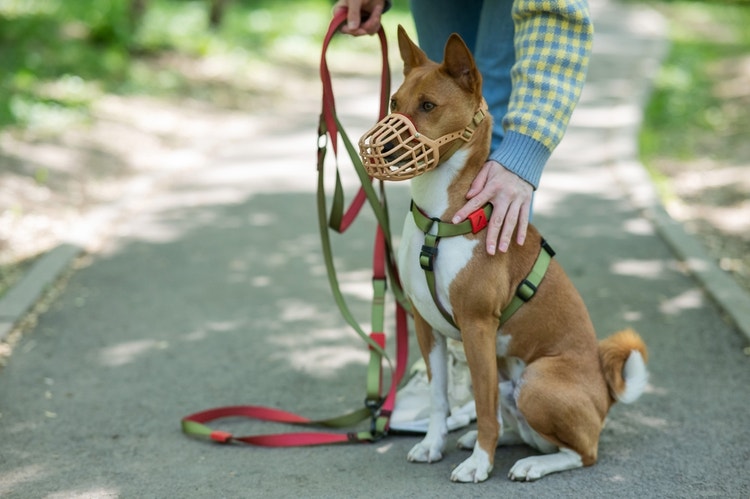
Why Do Dogs Wear Muzzles?
It’s a common misconception that dogs only wear muzzles if they’re a bite risk, which is not true.
Owners may muzzle their dogs in public, or during particular events for a variety of reasons, which we outline below:
Breed-specific Legislation
There are five dog breeds banned in the UK outlined in the Dangerous Dogs Act 1991. The legislation was introduced to restrict the ownership of certain dog breeds that are deemed dangerous to people. As of 2023, dog breeds that are banned in the UK include:
- Pit bull terrier
- Japanese Tosa
- Dogo Argentino
- Fila Braziliero
- XL Bully
Despite being “banned”, these dogs can be kept lawfully in the UK under certain conditions if they have a valid Certificate of Exemption. One of these conditions is that the dog must be on-lead and wearing a muzzle in public, even if the dog does not pose a risk to the public.
In an Emergency
The fight or flight response can be very literal for animals who rely on their instincts to survive. When scared or injured, wild animals will typically lash out (often by biting) if they can't escape and the same instincts exist in our domestic pets.
A scared or injured dog is a lot more likely to bite someone as a means to protect itself or try scare off perceived threats, which is why in emergency situations involving a dog that has been injured or has shown signs of fear and/or aggression, rescuers will try and muzzle the dog so they can proceed with the rescue while protecting those involved.
Even as a precautionary measure, muzzles can help people navigate extremely stressful situations in a safe and humane way.
During Stressful Situations
Even the sweetest, most well-tempered dogs can react out of character when they’re afraid. While training and desensitizing your dog to certain situations can help them remain calm, you can’t always teach them to be unafraid.
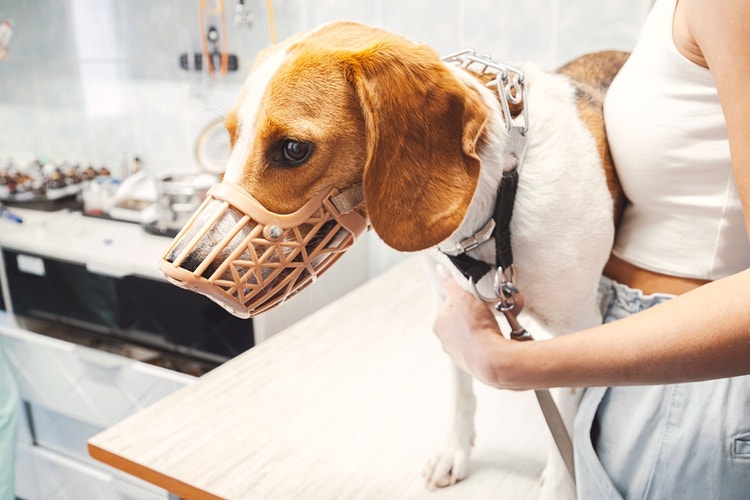
Dogs can become reactive to particular triggers, even if they've only had one bad experience. Some dogs are scared of the vets, and so need to wear a muzzle during examinations so the vet can still work on checking the dog's health without risking a bite. The same goes for dogs who are reactive at the groomers, or towards strangers in general.
Having your dog muzzled during these stressful situations is a safety precaution to protect those trying to help, and not a reflection of your dog as a whole.
To Prevent Hunting or Scavenging
Certain dog breeds were specifically bred to aid humans in hunting, and those instincts don’t go away because the dog is kept as a pet. Instead, those same instincts (digging, chasing, ragging) can show up in other ways.
While these instincts can be managed with early training and redirection, sometimes nature wins out, and so other methods (such as muzzles) can be a life saver.
Muzzling your dog while on walks or when they’re off-lead prevents scavenging (eating things they shouldn’t) and protects wildlife such as rabbits or squirrels from hunting behaviours since the dog can’t catch a hold of them. This stops your dog from potentially picking up parasites or diseases from wildlife and stops them from eating anything toxic they find while on walks, like certain plants or faeces from other animals.
Some muzzles, like the Baskerville Classic Basket Dog Muzzle, even have a removable guard in place specifically to prevent scavenging. While in place, your dog can still pant and drink as normal, but will be unable to grab a hold of or eat anything through the muzzle itself.
To Prevent Wound Licking
Another common reason for having a dog wear is a muzzle is to prevent them from licking their wounds after an injury or surgery.
While a dog cone is typically used for this, they work by preventing your dog from reaching the area as they could without it. If the wound is in a place accessible even with the cone on (such as their feet), then they can work around the restrictions to lick their wounds, risking infections or delayed healing.
Cones also aren't as secure as a muzzle is, with determined dogs being able to slip them off over their head quite quickly. Muzzles like the Baskerville INVISA Dog Muzzle however, can work wonders to prevent your dog licking their wounds while they recover. Just make sure they get lots of breaks from the muzzle as well to keep their spirits up!
Behavioural Problems or Reactivity
The most obvious reason for muzzling a dog is because they are a bite risk. This may be because the dog is reactive to other people or dogs (reactive dogs may bark or lunge at the source of their reactivity), or because they have a bite history.
Having your dog wear a muzzle (even if they have never actually bitten anyone) can give you peace of mind that your dog can enjoy their exercise while protecting other people and dogs.
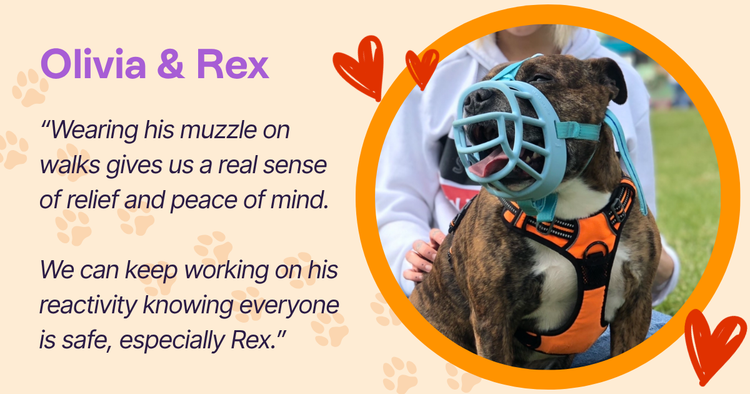
Olivia rescued her dog, Rex, in 2016 after he was found as a stray. She soon recognised the signs of anxiety and reactivity he displayed and told us what made her decide to muzzle up!
If your dog is not from a banned breed in the UK and is not under a Control Order that outlines muzzling as a condition, then there is no law that requires your dog to wear a muzzle in public.
That said, you know your dog better than anyone. If they are reactive, prone to scavenging or hunting, have a bite history or have a high prey drive, then having your dog wear a muzzle while in public could be a good idea.
Not only does a muzzle give you peace of mind that your dog can’t bite or eat anything they shouldn’t, but muzzling your dog also protects other dogs, wildlife, and people should the worst happen.
Putting a muzzle on your dog does not make you a bad dog owner in the same way wearing a muzzle doesn’t make your dog a dangerous dog. Muzzles are tools intended for safety and protection, not as a last resort.
If you are ever unsure of how your dog might react in certain situations, remember it’s always better your dog wears a muzzle and does not need it than the other way around.
How to Measure a Dog for a Muzzle
When choosing a muzzle for you dog, it’s crucial to get the right size and fit to ensure it fits comfortably on your dog. Of course, different dogs come in all sorts of shapes and sizes, so measuring your dog is the best way to find the perfect fit.
Most commercial dog muzzles use two or three measurements:
- The length of the muzzle (how long your dog’s nose is)
- The circumference of the muzzle (how wide your dog’s nose is all the way around)
- The circumference of your dog’s neck (for the length of the strap to secure the muzzle)
Ensuring you have the right measurements to start will make finding a muzzle that suits you dog far easier.
If you have a brachycephalic (flat-faced) dog, you may need a specialised muzzle to suit your dog's breed as widely available muzzles may not be effective.
Measure The Length of Your Dog's Nose
Ensuring the right fit for your dog’s nose is essential. If you measure too long, the muzzle may push into your dog’s eyes when they sniff the ground, but measure too short and their nose may push up against the end of the muzzle cage which isn’t comfortable either.
To measure your dog’s nose, you’ll need a tape measure.
- Hold the end of the tape measure to your dog’s waterline
- Pull the tape measure down to the tip of your dog’s nose
- Note the measurement.
Now you know the length of the muzzle cage required for your dog, it's time to move on to the next measurement.
Measure the Circumference of Your Dog's Nose
Once you know how long your dog’s muzzle should be, it’s time to make sure it fits their snout comfortably while leaving space for them to pant normally. Panting is crucial behaviour in dogs that they use to regulate their body temperature and a dog’s muzzle must not restrict that.
To measure the circumference of your dog’s nose:
- Hold the end of the tape measure at widest spot on your dog’s nose (typically just below the eyes)
- Gently wrap the tape measure aroud your dog’s snout to meet the otherside
- Note the measurement.
This will give you the circumference of your dog’s snout, but you may need to add a couple centimeters to accommodate for panting.
With these measurements, you can start looking to buy dog muzzles online or check in pet stores for a muzzle that fits your dog’s measurements.
Some dog muzzles (such as those from Baskerville) can be tailored to fit your dog even better by warming up the plastic cage in warm water and then moulding it to fit your dog’s face. Or, if you’ve tried commercial dog muzzles and are having trouble with the fit, you can also look into custom made dog muzzles from independent companies that make muzzles to order.
Dog Muzzle FAQs
No. Muzzles are designed humanely to allow your dog to open their mouths in order to pant and drink. This also means your dog can bark while wearing a muzzle.
Muzzles are not meant to be used to prevent barking, and some muzzles are not designed for long-term wear.
While certain muzzle designs may restrict your dog’s ability to bark, this is not a humane or long-term solution to your dog’s barking.
Dogs need to be trained to wear a muzzle the same as they do to wear a harness, collar or lead. The more time you put into desenseitizing your dog to the muzzle and getting them used to wearing it, the easier it will be to put on when needed.
Most muzzles follow the same simple design of a a cage or basket that fits over your dog’s snout and straps to hold them in place.
To put a muzzle on your dog:
- Loosen or undo the straps
- Give your dog their cue to put their snout in the muzzle
- Fasten the straps on the muzzle at the back of your dog’s neck
- Adjust the straps so it’s comfortable for your dog while remaining secure.
As mentioned, training your dog to wear a muzzle is crucial. Just putting a muzzle on your dog and seeing how they go is likely to cause more stress for your dog and may encourage them to try and remove the muzzle themselves.
According to the Dangerous Dog’s Act 1991, there are two main instances where a dog must be muzzled, by law, in the UK:
- If the dog has been deemed out of control and placed under a Control Order by a magistrate
- The dog is of a banned breed but the owner has an exemption certificate
An “out of control” dog does not necessarily mean a dog that has shown aggression or bitten before but could apply to any dog that has caused “fear or apprehension to a person that it may injure them.”
According to Dog’s Trust, a reactive dog is any dog that has “a heightened emotional response to something in the environment.” This trigger could be people, other dogs, or something more specific.
Regardless of why your dog is reactive, using a muzzle while in public can give you the added peace of mind that your dog is safe should anything happen.
As Olivia told us about muzzling her reactive dog, Rex, "it gives us a real sense of relief and peace of mind. We can keep working on his reactivity knowing everyone is safe, including Rex.”
No muzzle is technically “bite-proof”, but some are far more effective at their job than others.
For example, soft muzzles made from nylon or biothane can still bend and fold, so a really determined dog could potentially fold the muzzle to try and bite through it.
If your dog is at risk, then finding the right muzzle is crucial to prevent any incidents. Choose a strong, durable muzzle made from wire, vinyl, or hard plastic. Some muzzles can even have additional guards that can be added for better bite guarding, while still allowing your dog to pant, drink, etc.
Muzzles, while a great bit of kit, are not meant to be worn for long periods of time. Certain muzzles can increase a dog’s chance of overheating and having to wear a muzzle for a long time can cause a lot of distress for some dogs that may manifest in problematic or destructive behaviours.
While proper training and time can help a do accept wearing a muzzle, generally speaking, they should only wear their muzzle when they need to.
If that’s for a grooming or vet appointment, then the dog should only wear the muzzle for the duration of the appointment or as needed.
If your dog is muzzled to prevent scavenging or because they are required by law, then they only need to be wearing the muzzle for the duration of their time in public.
Muzzles are safeguards and should be used as such, not as punishment.
The stigma around dog muzzles is long-standing, and it’s unlikely that will change any time soon. That said, unless ordered otherwise by law, muzzling your dog is your choice and not one to be made lightly. Muzzles can be fantastic tools in the right hands and circumstances, and you should never feel guilty for putting your dog’s safety and well-being first.
You know your dog best, and if you think a muzzle could benefit your dog for whatever reason, then you can find a range from top brands at Pet Drugs Online, plus a great range of dog walking accessories to make your dog’s walks a breeze.