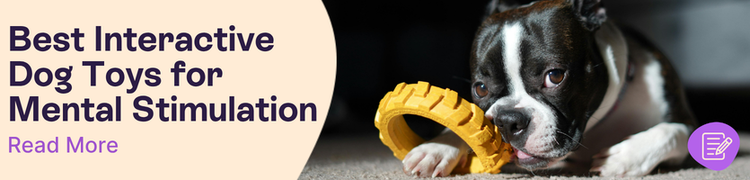
6 Best Interactive Dog Toys for Mental Stimulation
A good walk can tire out your dog's legs, but their brain needs a workout too. Interactive dog toys are some of the best dog toys for boredom because they encourage sniffing, searching, problem-solving and reward-based play. Whether your dog is nudging a treat dispenser around the kitchen, searching for kibble in a snuffle mat or working through a puzzle toy, enrichment activities can help keep them mentally engaged.
Interactive toys can be particularly useful for intelligent dogs, energetic breeds, and pets that spend periods of time alone during the day or who are post-surgery. The trick is finding a challenge that matches how your dog likes to play without making things too easy or leaving them completely stumped. Below, we look at six of the best interactive dog toys and explain which dogs they may suit best
Reviewed by Hannah Nott BVSc MRCVS
Looking for the best dog toys for boredom? Here are our top picks for keeping dogs mentally stimulated and engaged.
Nina Ottosson Dog Smart Puzzle Game - Easy
Ancol Örva Square Snuffle Mat Scent Work & Foraging- Easy
LickiMat Slomo Calm Enrichment- Easy
Ancol Örva Puzzle Wheel Problem Solving - Medium
KONG Wobbler Treat Dispensing - Medium
KONG Classic All-Round Enrichment - Medium
The best interactive dog toys include puzzle boards, treat-dispensing toys, snuffle mats, lick mats and food-stuffed toys such as the KONG Classic. These dog enrichment toys encourage problem-solving, sniffing and foraging behaviours, helping reduce boredom while providing valuable mental stimulation.
Our Top Interactive Dog Toy Picks
Mental stimulation is just as important as physical exercise for many dogs. Activities that encourage sniffing, problem-solving and food-seeking can help prevent boredom while giving dogs an outlet for natural behaviours.
Regular enrichment activities may help:
- Reduce boredom-related behaviours
- Encourage natural foraging instincts
- Increase confidence when learning new tasks
- Make mealtimes more engaging
- Provide additional stimulation on rainy days or during periods of restricted exercise
- Keep senior dogs mentally active
Interactive toys work best when used alongside appropriate exercise, training and social interaction as part of a balanced daily routine.
Expert Tip
Our in-house vets recommend rotating and mixing enrichment toys regularly to maintain interest and provide different types of mental stimulation. Mixing puzzle toys, snuffle mats and treat dispensers can help keep enrichment activities fresh and rewarding
Best Beginner Dog Puzzle Toy: Nina Ottosson Dog Smart Puzzle Game
The Nina Ottosson Dog Smart Puzzle Game gives dogs a straightforward introduction to puzzle-solving. Nine treat compartments sit beneath removable bone-shaped pieces, leaving your dog to sniff out the rewards and work out how to reach them.
There is no need to hand them the hardest version straight away. Leave a few compartments uncovered or raise the bone pieces so they are easier to remove. Once your dog has cracked it, place the pieces flush with the board to make their next attempt a little trickier.
Best Dog Puzzle Toy for Problem-Solving: Ancol Örva Puzzle Wheel
For dogs that like putting their nose and paws to work, the Ancol Örva Puzzle Wheel turns finding a treat into a problem-solving challenge. It may suit dogs that already enjoy investigating food-filled toys and are ready to try a different type of puzzle.
Add a few small treats or pieces of your dog’s usual dry food and let them investigate at their own pace. A little encouragement can help them get started, but try not to do all the detective work for them.
Best Treat-Dispensing Dog Toy: KONG Wobbler
The KONG Wobbler turns food into a moving target. As your dog nudges it with their nose or paws, the toy wobbles, spins and rolls before dispensing the next tasty reward.
This makes it a good match for active, food-motivated dogs that are happy to work for their dinner. It can also be used instead of a standard food bowl to make mealtimes last longer. Just remember that the KONG Wobbler is not a chew toy, so pack it away once the food has gone.
Best Dog Toy for Sniffing and Foraging: Ancol Örva Square Snuffle Mat
The Ancol Örva Square Snuffle Mat puts your dog’s nose in charge. Treats or pieces of dry food can be hidden throughout the fabric, encouraging them to sniff, search and forage for every last morsel.
It is a good option for dogs that enjoy scent work but show little interest in moving puzzle pieces. Make the first search easy by placing treats near the surface, then hide them deeper within the mat once your dog knows how the game works..
Best Lick Mat for Food-Based Enrichment: LickiMat Slomo
Not every brain game needs levers, lids or moving parts. The LickiMat Slomo Slow Feeder uses different textures to hold wet food, dry food or dog-safe treats, giving your dog plenty of corners to lick clean.
This provides a slower and calmer type of enrichment for dogs that are not interested in active puzzle toys. It can also make an everyday meal feel a little less ordinary. Remember to count anything added to the mat as part of your dog’s usual meal time.
Best All-Round Interactive Dog Toy: KONG Classic
Part food puzzle, part chew toy and part unpredictable fetch toy, the KONG Classic Dog Toy earns its place as a useful all-rounder. Fill the hollow centre with kibble, treats or another dog-safe filling and let your dog work out how to reach it.
Once snack time is over, its unusual bounce can keep a game of fetch interesting too. Choose the correct size for your dog’s weight and chewing style, and inspect it regularly for damage. Particularly powerful chewers may need a tougher alternative.
How to Choose the Right Interactive Toy for Your Dog
The best dog enrichment toys provide enough of a challenge to hold your dog’s attention without leaving them completely baffled. Watching how they already like to play can give you a useful clue about where to start.
When choosing an interactive dog toy, consider:
- How your dog likes to play: Keen sniffers may enjoy a snuffle mat, while dogs that lead with their paws might prefer a puzzle board. Treat dispensers and lick mats often appeal to dogs whose attention is easily won with food.
- How difficult the activity is: Start with a puzzle your dog has a realistic chance of completing. Once they are confidently finding the rewards, you can make the activity more challenging.
- When you want to use it: A wobbling treat dispenser may suit lively play, while a lick mat can provide a quieter activity during a meal or when your dog needs help settling down.
If your dog gives the toy a quick sniff and walks away, do not assume that interactive toys are not for them. Try making the task easier or offering a different style of activity to see what captures their interest.
How to Use Interactive Dog Toys Safely
Interactive toys should keep your dog entertained without putting them at unnecessary risk. Always read the manufacturer’s instructions and check whether the toy is suitable for chewing or requires supervised use.
Before your dog gets stuck in:
- Choose a toy that is suitable for their size and cannot be swallowed or become lodged in their mouth.
- Supervise your dog during play, particularly when they first use a new toy, and follow any supervision instructions provided by the manufacturer.
- Check toys regularly for cracks, fraying, or loose or missing pieces.
- Remove the toy if your dog tries to destroy it rather than use it as intended.
- Wash food-filled toys, puzzle feeders and lick mats after use to prevent food residue from building up.
- If using treats/kibble/wet food etc, then reduce what is being feed at meal times (or use kibble/wet food from normal total daily allowance)
Even the toughest-looking dog toy is not completely indestructible, so replace it as soon as it becomes damaged. For more advice on matching toys to different sizes, breeds and play styles, read our guide to choosing the best dog toy.
Frequently Asked Questions About Mental Stimulation for Dogs
Does Mental Stimulation Tire Dogs Out?
Yes, activities involving concentration, sniffing and problem-solving can be tiring for dogs. After tackling a tricky puzzle or searching out hidden treats, you may find that your dog is more than ready for a nap.
However, exercising their brain is not a replacement for suitable physical activity. Mental stimulation should form part of a balanced routine that also gives your dog opportunities to walk, play, explore and spend time with you.
How Much Mental Stimulation Does a Dog Need?
There is no magic number that will suit every dog. Their needs can vary depending on their age, health, personality and activity level. Some will happily puzzle away for longer, while others may lose interest after a few minutes.
Short, regular activities are often a good place to start, particularly when your dog is learning a new game. Watch how they respond and finish the activity if they lose interest or start to struggle. You can gradually increase the difficulty or duration as their confidence grows.
Can Dogs Use Interactive Toys Every Day?
Dogs can enjoy suitable interactive toys every day, provided they are used safely and form part of a varied routine. Rotating between puzzle toys, treat dispensers, snuffle mats and other activities can help stop the novelty from wearing off.
If a toy contains food or treats, reduce your dog's daily food allowance to avoid accidentally serving a second dinner. Interactive play should also leave plenty of time for exercise, training, rest and, of course, time with you..
What Are the Best Toys for Bored Dogs?
The best toys for bored dogs are those that encourage active participation rather than passive chewing. Puzzle toys, snuffle mats, treat dispensers and food-stuffed toys challenge dogs to think, sniff and problem-solve, helping keep them engaged for longer than many traditional toys.
Are Puzzle Toys Good for Dogs?
Yes. Dog puzzle toys encourage problem-solving and mental stimulation by rewarding dogs for completing a task. Beginner-friendly options are often a good starting point for dogs that are new to enrichment activities.
What Is the Difference Between a Puzzle Toy and a Treat Dispenser?
Puzzle toys usually require dogs to move pieces, slide compartments or solve a challenge to access food. Treat dispensers release food as the toy rolls, wobbles or moves. Both provide mental stimulation, but they engage dogs in slightly different ways.
Which Interactive Toys Are Best for Puppies?
Puppies generally benefit from simpler enrichment toys that encourage exploration without causing frustration. Beginner puzzle toys, snuffle mats and puppy-appropriate KONG toys are often suitable ways to introduce mental stimulation and reward-based play.
Can Interactive Toys Help Reduce Boredom?
Interactive toys can help reduce boredom by encouraging dogs to use their natural instincts to sniff, forage and work for rewards. They are most effective when combined with regular exercise, training and social interaction
Find Your Dog’s Next Favourite Toy
Ready to put your dog’s problem-solving skills to the test? Explore our complete range of dog toys and find a new way to make playtime more rewarding.
This post is an opinion and should only be used as a guide. You should thoroughly discuss any change to your pet’s care or lifestyle with your vet before starting any program or treatment. We update content regularly to reflect the latest pet health standards.

Hannah Griffiths
Senior Marketing Manager
Hannah Griffiths is the Senior Marketing Manager at Pet Drugs Online, overseeing content strategy and customer engagement initiatives. She is passionate about making pet health information accessible and easy to understand. Hannah collaborates closely with Pet Drugs Online's veterinary team, including Sarah Page-Jones, to help ensure all content is accurate, trustworthy and aligned with current veterinary best practice.