The Complete Buyers Guide to the Best Cat Litter
Any cat owner will tell you that not all cat litters are made equal, and with cats being finicky animals at the best of times, choosing the wrong litter could be the difference between them using the litter tray or ignoring it entirely.
So, what makes a good cat litter? We've compiled this comprehensive guide to cat litters, from the materials they're made of to their eco-friendliness, so you can make the most informed decision when choosing your cat's litter.
What Are The Best Cat Litters?
There are various types of cat litter available on the market, but finding the best cat litter for your cat will depend on what you want from a cat litter.
Most cat litters can be split into two categories:
- Clumping Cat Litter
- Non-Clumping cat litter
Below, we delve into the pros and cons of each cat litter for cats, including a look at what the cat litter is made of, and whether it's the right pick for your cat.
Clumping Cat Litter
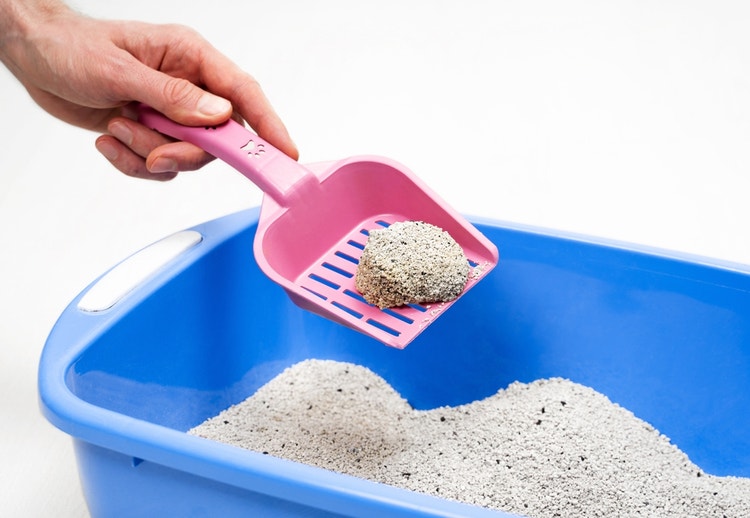
Clumping cat litter is a type of cat litter that clumps together when it comes into contact with moisture. This means when your cat uses the litter tray, the litter will clump and compact around the moisture to create a clump of litter and waste that is easily scooped out, leaving the remaining litter behind for the next use.
Most clumping cat litter, like this Covetrus® Clumping Cat Litter, is made from bentonite clay, which is highly absorbent, helping to control odours and keep your cat’s litter as clean as possible. However, bentonite cat litter tends to have a sandy texture that some cats take to, but others may not.
Other clumping cat litters, like the Cat’s Best® Original Clumping Wood Fibre Cat Litter, are made from softwood, making it a great natural clumping cat litter alternative. Plus, due to being made of natural wood fibres, the clumps from this litter can be disposed of down the toilet, making for quick cleaning and disposal
Some of the best advantages of clumping cat litter include:
- Ease of cleaning – just scoop out the clumps of litter and waste and keep the litter tray fresher for longer.
- Odour control – perfect for owners who are sensitive to smells, or for uneautered male cats who can make quite a stink!
- Economical over time – while more expensive to buy, clumping cat litter can stay fresher for longer, so less litter changes over time.
Clumping cat litter also has some disadvantages that should be considered, including:
- Dust – many clumping litter products produce a lot of dust, which can be problematic to a cat’s sensitive respiratory system, or even cause allergic reactions in some cats.
- Litter tracking – due to its design, dry clumping litter can easily stick to cats' paws, leading to litter tracking throughout the house.
- Preferences – cats can be finicky about their toileting space, and some cats don’t like clumping litter, so they may avoid using the litter tray entirely!
Non-Clumping Cat Litter
Non-clumping cat litter is the other side of the cat litter coin. Where clumping litter forms clumps after use, non-clumping litter does the opposite.
Typically made from materials like clay, wood, or paper, these non-clumping cat litter are still absorbent, but instead absorb moisture and distribute it through the rest of the litter.
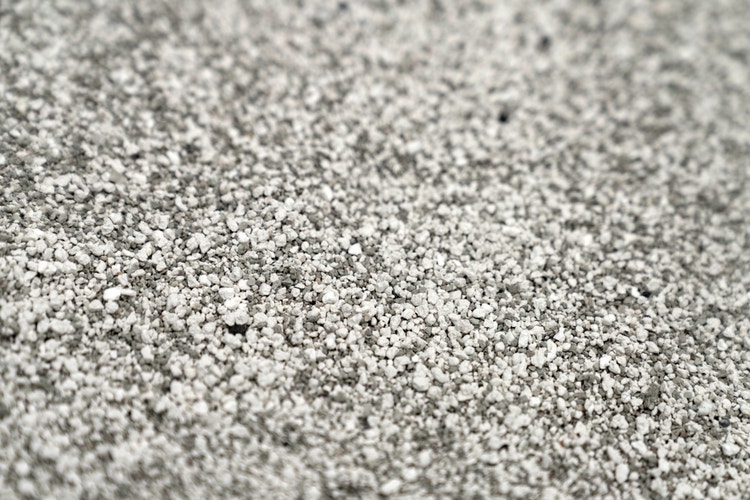
One of the most popular non-clumping litters is the non-clumping Catsan™ Cat Litter, which absorbs odours before they develop and achieves over 97% ammonia reduction. Catsan litters are made from 100% natural raw materials, including quartz and limestone, and the white colour can help you monitor the colour of your cat’s urine, which may indicate health conditions.
- Low Dust – non-clumping litters are typically low-dust, making it great for cats with allergies or respiratory issues.
- Natural & Eco-friendly – if you're looking to be sustainable pet owner, then you’ll find non-clumping cat litters offer more natural, recycled, or eco-friendly options than clu ping alternatives.
- Cheaper Option – non-clumping litter tends to be cheaper than clumping alternatives, making it a great choice for pet owners on a budget.
- More Frequent Litter Changes – since the moisture is distributed through the litter, you may find you need to change your cat litter more frequently.
- Less Oduor Control – non-clumping litter retains moisture, which can make odour control a challenge
- Litter tracking – non-clumping litter tends to be more textured, and larger clumps of litter can still be tracked out of the litter box after use.
What is Cat Litter Made Of?
Now we’ve covered clumping vs non-clumping cat litter, the next thing to consider is what material you want your cat litter to be made of.
There are various materials used to make cat litter, each with their own benefits and drawbacks, but which works for your cat will depend on their own preferences and what you’re looking for from cat litter.
The most common materials include:
- Clay cat litters
- Wood Cat Litter
- Paper Cat Litter
- Silica Cat Litter
Below, we look into what each of these cat litters can offer and what different materials mean when it comes to cat litter.
Clay Cat Litter
As we’ve mentioned above, many clumping cat litters are made of mineral formulas such as Bentonite, Clay, or limestone. This cat litter is intended to be absorbent and easy to clean. However, these cat litters can be dusty, which isn’t good for cats with allergies or sensitive respiratory systems.
Clay or mineral cat litters can also be non-clumping, it just depends on the mineral used. For non-clumping mineral cat litters, you may find you need to change the litter more frequently as the moisture is absorbed and dispersed throughout the litter. This may lead to the need to change the litter more frequently or a lack of odour control, the longer it’s left.
Clay cat litter is a popular choice due to their ease of cleaning, but they are not suitable for owners who are looking for an eco-friendly cat litter.
- Easy to clean
- Great for drying cat poop
- Good odour control
- Easily available
- Clumps could be a choking hazard if you cat eats the litter
- Higher dust content
- Not eco-friendly or biodegradable
- Litter tracking
Wood Pellet Cat Litter
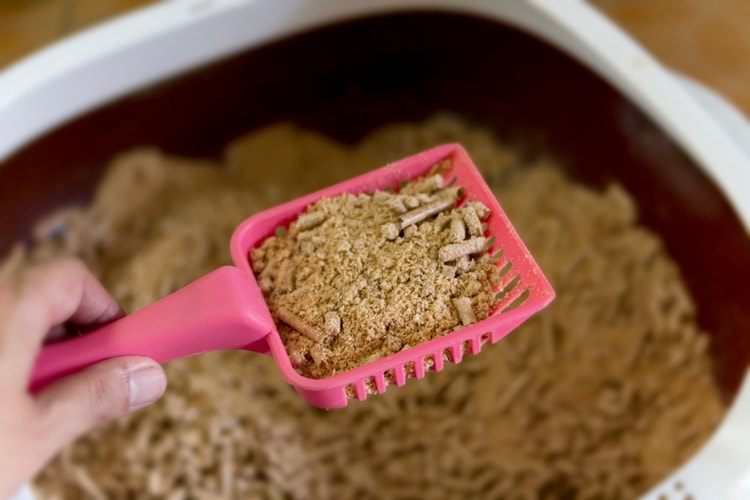
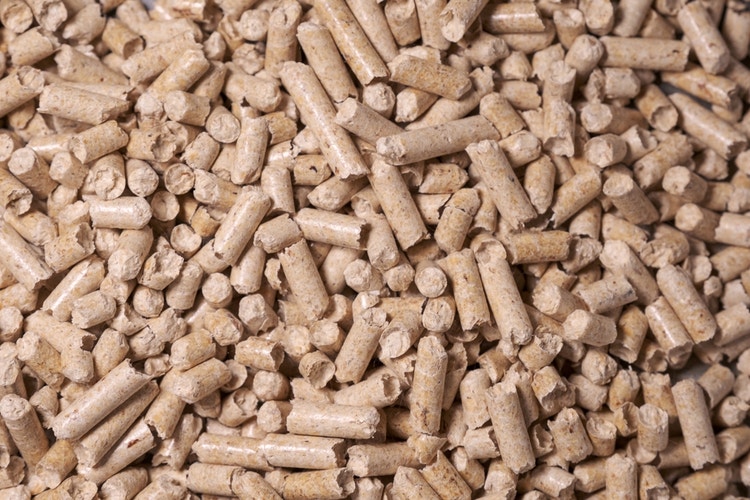
As expected, wood cat litter, like this Smart Cat Wood Litter, is made from natural wood (typically cedar or pine) and is made up of larger pellets rather than a fine sand texture. These pellets absorb moisture and then crumble and turn to sawdust that sinks to the bottom of the litter tray, while un-soiled pellets remain on top.
Wooden cat litter is 100% natural and doesn’t contain any added chemicals or scents, which is great for anyone looking for a sustainable cat litter option.
Another benefit of wood pellet litter is that it’s safer for cats, with low dust and larger pellets that are unlikely to be eaten by your cat. Even if your cat does decide to chow down on their wood litter, they’ll be absolutely fine, assuming they’re not allergic to the wood used.
However, it’s important to note that some cats may not like wood litter because of the scent of wood, and some cats may even be allergic to cedar or pine wood.
Wood cat litter is also much lighter than clay alternatives, but tends to be more expensive.
- 100% Natural & non-toxic
- Biodegradable
- Lightweight
- No added chemicals or scents
- More expensive
- Can be clumping or non-clumping
- Cats may not like the scent of the wood
- Cats may be allergic to the chosen wood
Paper Cat Litter
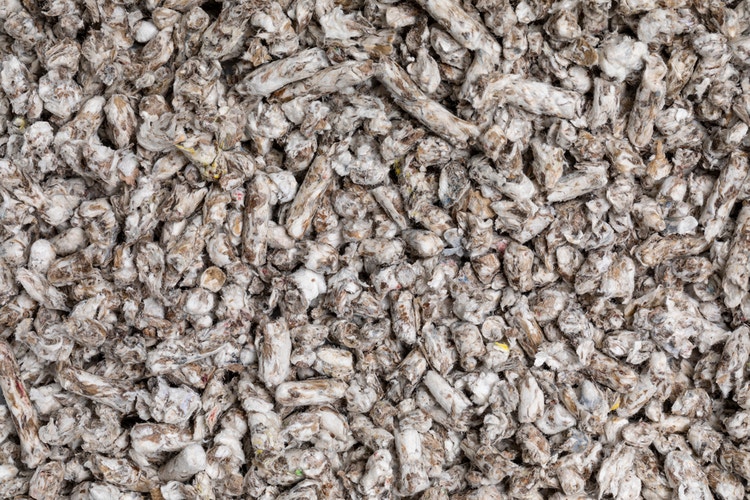
If you’re looking for a sustainable cat litter option, then a paper litter, like this Breeder Celect Recycled Paper Litter, might just be the pick for you.
Paper cat litter is made from recycled paper that has been compressed to make granules or pellets and offers a biodegradable cat litter option that’s low-dust and hypoallergenic.
Most recycled paper cat litter is non-clumping, so it may need to be changed more frequently, which is a small price to pay for a lightweight litter that’s better for the environment. This paper litter is absorbent and gentle on your cat’s paws, but faces the same tracking issues as other cat litter and isn’t as good at controlling odours as silica or clay alternatives.
- Made from recycled materials
- Biodegradable
- Low dust
- Lightweight
- Good absorbtion
- Does not clump well
- Weak odour control
- May require more frequent changes
- Litter tracking
- More expensive than clay
Silica Crystal Cat Litter
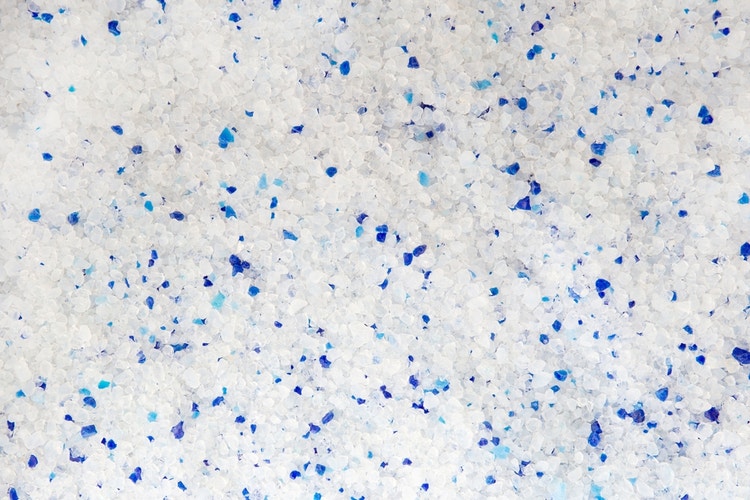
A relatively new addition to the cat litter world is crystal cat litter, like this Covetrus® LUMPY Silica Cat Litter, which is made from silica crystals that are well known for their high absorbent properties. If you’re wondering what else silica is used for, picture those little silica gel pouches that are added to parcels to keep contents dry, reducing damp, mould, and humidity during shipping.
Silica cat litters work in much the same way; once your cat uses the litter tray, the silica quickly absorbs and holds the moisture it encounters. This is great for maintaining a fresher litter tray for longer, although you may find that you need to mix the litter in the tray to distribute the urine throughout the silica.
Price-wise, silica cat litter is on the more expensive side and isn’t environmentally friendly or biodegradable.
- Non-toxic
- Highly absorbent
- Good odour control
- Low dust
- Not enviromentally friendly at all
- Not biodegradable
- May require mixing to effectively absrob moisture
- Tracks easily
What is the Best Cat Litter?
The key to finding the best cat litter for your cat is to understand what litter they prefer. Some cats don’t like the sandy texture of clumping litter, whereas others may not like the bulk texture of no-clumping litter.
You’ll also find that some cats prefer clay or limestone-based litter over wood or paper, or vice versa. After all, cat litter is only worth buying if your cat is actually going to use it.
Once you know what your cat prefers, you need to decide what you need from a cat litter, such as:
Are you sensitive to smells? Then choosing a cat litter with optimal odour control should be your priority.
Clumping cat litters are great for odour control as they compact moisture and waste into a single clump that can be removed with spot-cleaning, leaving fresh litter behind.
Silica cat litter is also great for odour control since silica crystals are so absorbent that they trap odours before they can fully develop.
Non-clumping litter, however, works best when the moisture has been distributed through the litter, which may require mixing the litter to ensure odour control. Paper and wood litter aren't always the best for odour control since the spoiled litter disintegrates and sinks to the bottom of the tray, which can lead to a buildup of odours between changes.
Overall, the best odour control is achieved through routine cleaning and staying on top of spot cleaning to stop odours from developing.
Do you want to make cleaning your cat's litter a breeze? Then aim for a litter that's easy to clean, such as a clumping cat litter, which is easy to spot clean and requires less frequent litter changes.
Silica cat litters are also easier to clean since the crystals dry solid like a clumping cat litter, making for easy spot-changes and less frequent litter changes.
Non-clumping litters, like wood and paper cat litters, are designed so the soiled litter sinks to the bottom of the litter tray, leaving fresh pellets on top. These litters require more frequent changes as the soiled litter can become oversaturated with urine if not properly distributed through the litter, making for a messy cleanup.
Are you looking to get the best cat litter on a budget? Then it's best to choose a cat litter that is inexpensive to start, such as paper or clay litter, which are typically cheapest per litre depending on the brand.
Silica cat litters are the most expensive, and are often sold in smaller bags, too, so they aren't the best for buying cat litter on a budget. Wood litter can also be more expensive than paper or clay alternatives.
To help you save more on cat litter, try:
- Bulk buying - Many cat litters are available in various sizes, with larger bags often working out cheaper per litre than smaller bags.
- Cat Litter Subscriptions - Some brands offer discounts when you take out a subscription, which can help you save money and time when buying cat litter.
- Shop Cat Litter Discounts - Be proactive when shopping and look out for cat litter offers, so you can get your favourite for less.
Are you trying to be a sustainable cat owner? Then aim for an all-natural cat litter that is also biodegradable, like a recycled paper cat litter or a wood pellet litter.
Not only are these cat litters entirely natural or made from recycled materials, but they also biodegrade. Some natural cat litters can even be flushed down the toilet (in small quantities), so you can minimise waste for spot cleans, and the remaining litter can be composted.
Clay and silica cat litters, while made from natural materials, are not biodegradable and require mining to produce, which is typically harmful to the environment, so they should be avoided if you're looking for an eco-friendly cat litter.
Does your cat suffer from allergies or have a delicate respiratory system? Then choosing a low-dust or hypoallergenic cat litter should be your goal.
Paper litters are the best for a low-dust option, and are also non-toxic and hypoallergenic, making them ideal for cats with respiratory trouble or allergies.
Wood cat litters are also a low-dust option, however, cats can be allergic to the wood used, so be selective about which wood cat litters you try.
Clumping and clay cat litters are the worst for dust, and you may even find they leave a film of fine dust after you've refilled the litter tray.
Litter tracking is a problem that is universal to cat litters, unfortunately, but there are some that are less likely to be tracked through the house.
Paper and wooden cat litters are made of larger pellets than the fine clay litters, meaning it's less likely to get caught in your cat's paws and then tracked through the house. The larger pieces are also much easier to clean up and won't spread as far as finer materials.
Clumping cat litters tend to be fine and almost grainy in texture, which can easily be picked up by your cat's paws and tracked through the house. Silica cat litters have the same problem, with the small crystals able to lodge between your cat's toe beans and then dropping out as your cat wanders the house.
If you’re on the fence about choosing a litter because of its disadvantages, then we may have the answer. Below, we look at some of the best solutions to common cat litter problems so you can have the best of both worlds with your chosen litter.
Cat Litter Accessories
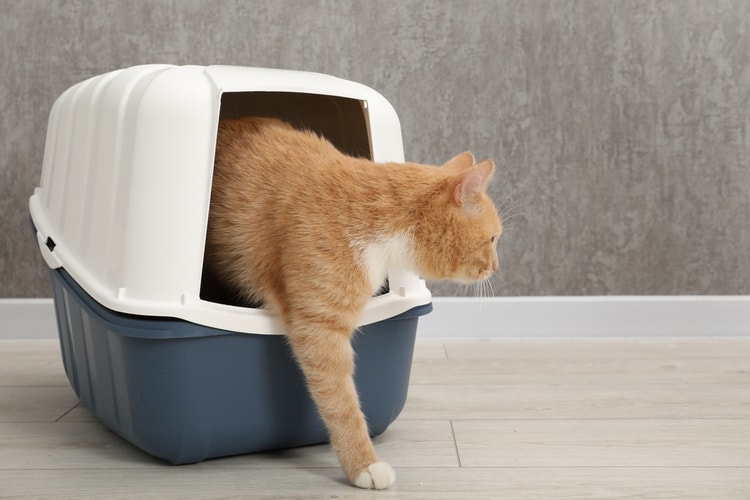
The chances of finding a cat litter that your cat is willing to use and meets all your requirements can be tricky, but that doesn't mean you have to put up with awful smells or litter all over the house.
Have the best of both worlds with these great solutions to common cat litter problems:
- Litter Tracking - Try using a litter tray with high sides to prevent litter from being carried out of the tray, or use a cat litter mat to catch litter off your cat's paws.
- Odour Control - Try using a cat litter deodoriser to tackle bad smells between litter changes.
- Ease of cleaning - Try using products intended to make cleaning easier, like cat litter tray liners. You can even buy biodegradable cat litter tray linersto work with your eco-friendly cat litter.
These cat litter accessories can be used with any cat litter you choose, so you don't have to compromise when it comes to your kitty litter.
Cat Litter FAQs
How often you should change your cat's litter will depend on the material used and how many cats are using the tray.
Regardless of the litter you use, you should spot-clean your cat's litter tray daily to remove clumps of waste (if you're using clumping litter) or cat faeces (if you're using non-clumping litter).
Clumping and silica cat litters are easy to spot-clean and stay fresher for longer. For these litters, you should top up the litter weekly and replace the litter after 4 weeks or when it no longer controls odours.
Other cat litters will need replacing more frequently since the soiled litter falls to the bottom of the tray. In this case, you should replace the litter once a week to remove the soiled litter and thoroughly disinfect the tray.
How you dispose of your cat's litter will depend on the materials used.
Clay and silica cat litters should be disposed of in a bag with your household waste.
Paper and wood litter, however, are biodegradable, so can be composted at home or thrown away with your household waste in a separate biodegradable bag.
If your cat is eating their cat litter, there could be a number of reasons why:
- Behavioural problems - such as anxiety or pica (compulsive eating of non-food items)
- Health conditions - such as a vitamin or mineral deficiency, neurological disorder, or anaemia
To get more support for cats eating litter, book an appointment with your vet.
Cats are very clean animals, and most will take to using a litter tray with few problems, especially if you choose a litter they like and have the tray in a spot where they feel safe enough to be vulnerable.
However, if you've recently brought home a new kitten or a cat unfamiliar with using a litter tray, then follow these simple steps to make litter training easier:
- Set up the litter tray where your cat has chosen to go to the toilet - for kittens, you can place them in the tray to encourage them to use it.
- Pick the right litter and tray - this stage may require some trial and error to find the right mix. Some cats prefer the privacy of a covered litter tray, while others prefer a litter tray with low edges for an easy exit. Try different litter types to see what your cat is most comfortable using.
- Reward toileting in the tray - monitor your cat and learn the signs they're looking to go to the toilet (such as sniffing around, scratching the ground, etc) and then lead your cat to the tray or put them inside it. If they use the tray, reward them with praise and maybe a treat to encourage good behaviour.
It may take a few tries for your cat to get it right, but with patience and a bit of trial and error, your cat should pick up using a litter tray eventually!
It depends.
Some cats are more than happy to share a little box, whereas other cats may be too territorial or nervous to use the same litter tray as another cat.
A general rule of thumb for multi-cat households is to have one litter tray per cat, plus one extra in different spots around the house. This will help to reduce territorial behaviours between cats in the house and ensure all your cats feel safe using a litter tray to do their business.
Finding the best cat litter for your feline friend can be a finicky business, but by considering your cat's preferences and understanding the difference between litters, you'll be able to make the best choice for you and your cat.
If you're looking to stock up on your cat's litter, or want to make the most of the litter you already have, then why not browse our complete range of cat litter, litter trays, and cat litter accessories below?
