
Winter Tips for Small Pets: How to Keep Rabbits Warm in Winter
It’s only natural to worry about our pets when the temperature drops, but what about those who live outside?
Here, we explain how you can keep your small pets warm and safe during cold weather, including how to insulate a rabbit hutch for the colder months.
Key Takeaways:
- Rabbits and Guinea Pigs can live outside in the winter so long as they are in good health and their hutch is suitably protected from both wet weather and predators.
- Hutch covers a great option for keeping your rabbit's hutch protected from the elements, and there are DIY options too (see futher down).
- Pets can benefit from some extra food in winter, so make sure your small furries have plenty of extra hay for bedding and eating.
Can Rabbits Stay Outside in Winter?
If you usually have your rabbits housed outside the rest of the year, and they’re in good health, then you can also keep them outside during the winter. However, you will need to take some precautions to ensure the health and safety of your outdoor rabbits during the winter.
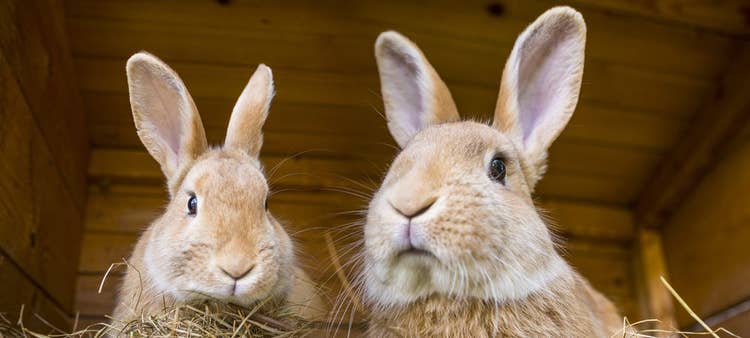
How to Keep Rabbits Warm in Winter
Rabbits who live outside in a hutch and run should have begun growing a nice winter coat as the temperature began to drop, but there are still things you can do to keep them nice and snug:
- Keep them dry—Rabbits don’t do well in the damp. Make sure their hutch is dry, clean, and protected from the elements with a water and wind-proof hutch cover.
- Move their hutch—If you can't bring your rabbits in, try moving their hutch to somewhere protected from the elements and predators like a shed or garage.
- Feed them more hay—All pets can benefit from a little extra food in the winter, but extra rabbit hay can also be used for bedding, offering extra warmth as well as something to nibble on.
- Check their water regularly—Water bottles can freeze quickly in the winter. Monitor your rabbits water bottle to ensure it's still working and the water isn't frozen.
- Give them space to exercise—Exercise can help your rabbit stay warm, so there’s no need to pack up their run. Make sure their run is connected to their hutch so they have access as and when they need it.
- Keep them together—Rabbits are social animals by nature, and in the cold winter months, having another warm body to snuggle with and share body heat can make all the difference.
Can Guinea Pigs Live Outside in Winter?
As with rabbits, guinea pigs can also stay outside in the winter if you choose, given they are young and healthy. Just make sure to follow the same steps as above to ensure they are safe, dry, and warm.
Guinea pigs are more temperature-sensitive than rabbits, so if you choose to bring them in to protect them from the cold, ensure you don’t put them back outside until it’s consistently warm outside.
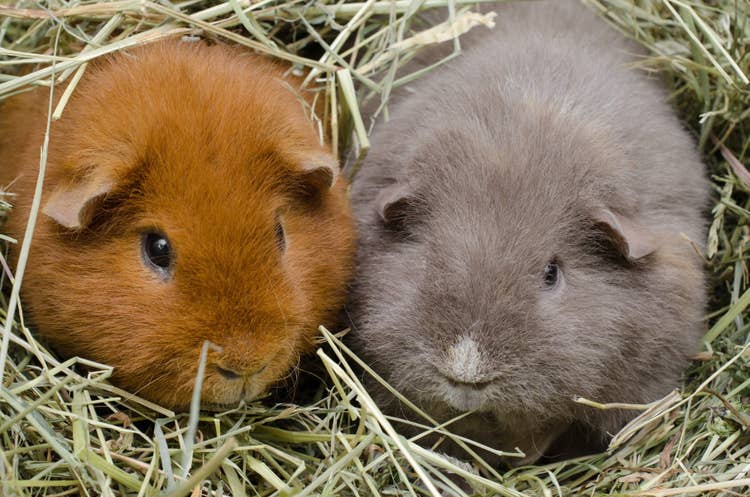
How to Keep Guinea Pigs Warm in Winter
Much like with rabbits, it’s important to ensure your guinea pig's hutch is protected from wind and rain, and that it’s robust enough to stop any predators from getting inside. You should also ensure they always have plenty of bedding and that their water isn’t frozen.
On top of that, you should also:
- Move your guinea pig’s hutch — if possible, try and put their hutch in a shed or garage if possible for optimum protection.
- Try not to let them out on cold, wet days — Guinea pigs are very low to the ground and can get cold very easily. Try and let them get their exercise indoors, or put their run in a shed or garage instead
- Give them more hay — Not only does this offer more bedding and warmth, but also extra calories to help them stay warm. You can even card boxes full of hay to give them more insulation and places to snuggle.
How to Insulate a Rabbit Hutch
Most outdoor pets live in hutches made from treated wood, which is great for the summer months, but at this time of year your furry friends may be feeling the cold more than ever.
By insulating a rabbit hutch, you can reduce the amount of drafts can get into the hutch as well as how much heat is retained inside. This can not only help your bunnies warm, but also prevent water bowls from freezing over, keeping your small pets warm, cosy, and protected.
Here are some of the best ways to insulate a rabbit hutch for winter weather:
Brands across the industry offer a range of hutch covers for all weather conditions, such as:
- Shower proof hutch covers (protect pets from light rain)
- Heavy duty hutch covers (protects against all weather)
- Thermal hutch covers (retain heat inside your hutch)
Many commercial rabbit hutch covers are easy to fit, have zip fastening for easy use, and even have windows added so you can still see your pets beneath the cover.
Hutch covers are a perfect way to ensure your bunnies or Guinea's stay nice and dry in miserable weather.
While hutch covers are available for most commercially made rabbit hutches, they can be a bit pricey (approx. £20-£80 depending on materials and hutch size) and may not fit your specififc hutch, especially if yours is custom made.
Luckily, you can make your own using only two materials:
- A sheet of weather-proof material, like tarpaulin big enough to cover the hutch
- Outdoor Duct Tape
- (Optional) old blankets, carpets, or duvets for added insulation
All you need to do is wrap the tarp (or alternative) around your rabbit's hutch and secure it with the tape, cable ties, or by putting something heavy on the top like bricks or rocks.
While this my not look as elegant as pre-made covers with zips and windows, it will still protect your hutch and keep your furry friends dry and warm.
If you are adding insulation materials, make sure you place them on top of the hutch but under the tarp so they stay dry.
While a hutch cover is the best way to ensure your rabbits stay warm and dry, there are also ways you can insulate your rabbits hutch on a budget by using, believe it or not, cardboard!
Tamsin from The Rabbit House explains how:
- Find a cardboard box that is just a bit smaller than the inside of your hutch's bed area
- Trim the cardboard to fit if needed (ensure there's a 2 inch gap between the edge of the box and the walls of the hutch)
- Place the box inside the bed area with the open end facing the entrance (or cut a door out of the carboard if you prefer) so you rabbits can still get in and out
- Add insulation by stuffing the gaps between the box and the hutch with straw or strips of newspaper (or a mix of both, if you prefer) and don't forget to cover the top of the box
- Fill the box with bedding (hay and straw are best and are perfectly safe for your rabbit to munch too!)
This is a great, cheap way to insulate your rabbit's hutch as all the materials used are perfectly safe for both rabbits and Guinea Pigs. However, this does mean you'll need to change the box and insulation a couple of times over the winter as the carboard gets soiled or nibbled.
It's also important to note that while this ia great for keeping your rabbits warm, you also need to make sure the hutch is covered or in a space that protects it from getting wet or drafty.
Another top way to insulate a rabbit hutch on a budget is using bubble wrap!
You can buy foil-backed bubble wrap in a variety of places affordably just make sure you've got enough to cover (at least) the back, sides, and roof of the hutch.
Fix the foil-backed bubble wrap to your hutch using suitable out door duct tape for some easy insulation, just make sure it's also protected from the weather with a tarp or is kept sheltered from rain.
Regardless of how you choose the insulate your rabbit hutch, it can make all the difference to keeping your small pets warm. You can also buy heating mats for pets, like this Pet Remedy Low Voltage Heated Pad, which was devlped for the British Small Animal Veterinary Association. It's cheap to run and can safely be left on for long periods without becoming too hot.
Or, if you'd rather not use anything electrical, the Ancol® Sleepy Paws® Classic Self Heating Pet Pad is designed with a clever thermal structure that reflects your pet's body heat back at them.
By being proactive with your outdoor pet’s enclosures, you can ensure they spend the winter months nice and snug, ready for spring returns. If you’re looking to find the best bedding for your bunnies, then check out our great range of bedding and bedding hay for rabbits.

This post is an opinion and should only be used as a guide. You should discuss any change to your pet’s care or lifestyle thoroughly with your vet before starting any program or treatment.
This post was written by a human.
