
Written by Hannah Clark and approved by our vets.
Skin Disease in Dogs: An Overview
Skin disease is a very common problem in dogs and can present in many forms. Itchy skin in dogs is a common symptom, but other signs can include:
- Red, inflamed skin
- Scratching or chewing the skin
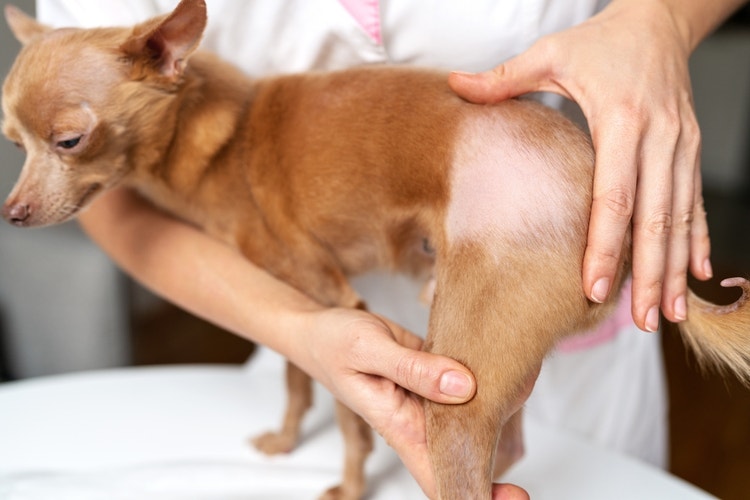
- Hair loss
- Scabs or sores on the skin
- Persistent odour from your dog's ear and skin
There are many ways of treating canine skin disease and the exact medication needed will depend on the underlying cause.
In this article, we outline the main categories of skin diseases in dogs, what treatments are available, and what you can do at home to soothe your dog's symptoms.

Common Skin Conditions in Dogs
There are a number of dog skin conditions that may be causing your dog's itchy skin, which we explore below. These are generalised summaries and should not be used as a form of diagnosis.
If your dog is showing symptoms of skin disease, book a consultation with your vet for professional diagnosis to build an appropriate treatment plan.
Skin Infections in Dogs
Skin infections cause raised skin or bumps, as well as discharge (such as blood, pus, or clear discharge) from the skin.
Skin infections, also called pyoderma, are often caused by bacteria but can also be fungal in origin. Treatment for these infections will depend on the cause (fungal or bacterial) but typically involve antibiotics, sometimes with external medication such as medicated shampoos, which will be decided by your vet.
Skin infections can also be secondary to wounds or allergic reactions. This is because inflammation and irritation can create a favourable environment for bacteria or fungi to thrive and multiply, leading to infection.
If your dog continues to get skin or ear infections, your vet may advise further investigation of the skin (such as skin scrapes, ear swabs, or culture samples) to see if there is an underlying cause.
Allergies in Dogs
Dogs can suffer from allergies same as humans do. These allergies can manifest as skin disease, including problems with the ears or recurring ear infections.
a dog suffering from an allergic reaction will likely be very itchy, with red and inflamed skin. They may also have a persistent stale odour as their natural skin barrier is damaged, allowing yeast and bacteria to thrive.
These allergies can be caused by a wide range of things such as pollen, food, dust mites or fleas. Dogs that are prone to allergic skin disease are referred to as "atopic."
The best way to treat allergic skin disease in dogs is to remove the underlying cause. However, this can be easier said than done as allergens can be tricky to determine and can't always be removed from your dog's environment.
Common treatments for allergies in dogs include:
- Steroids to relieve the itch and reduce inflammation—They are useful to break the cycle and give the skin a chance to heal. While effective, they do not treat the underlying cause and steroids, if used long term, can have some undesirable side effects.
- JAK Inhibitors, which can be given long-term to manage and control allergic skin disease in dogs. JAK inhibitors are a type of immune modulating medication used to treat inflammatory disorders that may cause itchy skin in dogs such as allergic dermatitis and puritis.
- Cyclosporin is a drug that is used in animals who are predisposed to developing allergic skin disease—The drug alters the skins immune system so that it doesn’t overreact to the substances causing the allergy. Drugs containing cyclosporin are usually prescribed after tests, such as skin scrapes, biopsies or allergy testing, have been done.
- Monoclonal Antibodies (mAbs)—These medicines are a monthly injection typically administered by your vet to provide relief from itching relating to atopic dermatitis in dogs.
Parasites in Dogs
Parasites are a very common cause of skin disease but are also easy to prevent.
Fleas can cause skin irritation, especially in animals who suffer from flea allergy dermatitis (FAD) where they can have a severe reaction to just one flea bite.
Mites can also cause skin disease, some of the most common being ear mites, scabies mites which cause mange, and harvest mites, which can cause skin lesions around the head and paws.
Treatment of parasitic problems involves using anti-parasitic medications like dog flea and tick treatments. These tend to be either spot-on medications or tablets.
Parasite treatments are available with a prescription from your vet, or there are over-the-counter options where you can buy flea treatments online without a vet prescription. Routine use of flea treatments also act preventatively to stop further infestations before they start.
Immune-Mediated
Immune-mediated diseases occur when an animal's immune system becomes unbalanced and starts attacking parts of the body, which can occur in the skin.
Pemphigus folliaceus (an autoimmune skin disease) and Lupus are examples of immune-mediated skin disease. Affected areas will be ulcerated and there may be a crusty appearance to the skin.
Immune-mediated diseases are typically diagnosed after more common diseases have been ruled out. Your vet will also usually need to take a biopsy of the skin to make the diagnosis.
Treatment for immune-mediated disease involves medication that suppresses the immune system such as steroids.
Manifestation of Internal Disease
The conditions mentioned are all primary skin diseases, but other systemic diseases can also cause secondary skin symptoms.
Hormone imbalances especially have effects on the skin. Cushings Syndrome, for example, is caused by an excess of the hormone cortisol, but can cause thinning of the skin and a sparse coat.
Low thyroid hormone can also cause hair loss which is often symmetrical. These skin changes can alert your vet to the presence of an underlying disease, and aid in the diagnosis.

How to Keep Your Dog's Skin Healthy at Home
Above we've mentioned some specific treatments relating to specific disease, but there are also things you can do at home to promote your dog's skin health, such as:
Parasite Protection
Parasites can be troublesome to any pet, but can be even more problematic for those with skin problems.
External parasites like fleas, mites, and ticks can be tricky to detect on your pet due to their size, but often cause itching, chewing, and inflammed skin. This can make your dog's skin issues a lot worse if not manged, so being proactive with your dog's parasite prevention is crucial.
To ensure your pet is parasite free, check their skin and coat regularly for any abnormalities, such as:
- Lumps and bumps (ticks expand as they feed and may feel like bumps on the skin)
- Flea dirt (digested blood left behind by fleas that look like small specs of reddish dirt)
- Movement on the skin (mites and fleas are tiny and fast, but you may be able to spot them moving on your pet's skin if you part their fur to look close)
Fleas, in particular, like to hide in warm, dark spaces, but can be found using a flea comb on your dog's groin, armpits, tail area, and around their neck. If you find any fleas, then you should treat your dog with an appropriate flea treatment or contact your vet for recommendations.
Skin Supplements for Itchy Skin
Dog skin supplements like Evening Primrose Oiland Omega-3 & Omega-6 oils can help nourish and support your dog's itchy skin. These supplements are not intended to replace veterinary medications for itchy skin, but to help support their skin alongside your vet's recommended treatments.
Some skin supplements are specifically formulated with itching in mind, like the YuMOVE Skin & Coat Supplement for Itchy Skin which nourishes the skin and supports it's natural defences with skin-loving ingredients like omega 6 and omega 3 and Vitamin E.
Or, if you'd rather give your dog their supplements as a tasty treat, there's also skin supplement chews for dogs like the Zesty Paws Allergy & Immunity Chews which are formulated to support immune function, protect against allergies, and nourish dry, itchy skin.
Medicated Shampoos for Dogs
Bathing your dog with skin-loving shampoos like the DOUXO S3 Calm soothing shampoo, or the Allermyl Shampoo for itchy skin can help to soothe their itching and aid the repair of their skin barrier.
Medicated shampoos for dogs can also be used where necessary to help your dog's symptoms, but these should only be used under the advisement of your vet.
Skin disease in dogs can be tricky to diagnose, and even trickier to manage. However, with the right support and a bit patience, you can find the right way to soothe your dog's symptoms and help them enjoy a scratch-free future!
If your dog struggles with skin issues, diagnosed or otherwise, why not browse our range of dog skin care, including kind to skin shampoos, skin & coat supplements, and allergy care.
