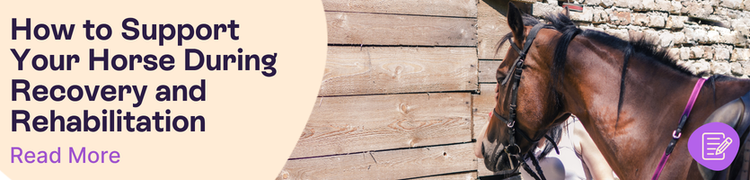
Supporting your horse's recovery
When your horse is recovering from an injury or illness, it can be difficult to know how best to help them, especially if this is your first experience of managing box rest or a gradual return to work. Every horse’s recovery will be different, and the right approach will depend on their condition and the advice given by your vet.
Although recovery cannot be rushed, there are practical ways you can help your horse throughout the process. Maintaining a suitable routine, adapting their diet, monitoring any changes and following their rehabilitation plan can all contribute to a safe and comfortable recovery.
In this guide, we’ll look at:
- What horse rehabilitation may involve
- Helping your horse cope with box rest
- What to feed a horse on box rest
- Maintaining condition and supporting muscle recovery
- Bringing your horse back into work
- When to contact your vet
This guide provides general information and should not replace advice from your vet or another qualified equine professional. Always follow the rehabilitation plan recommended for your horse.
What does horse rehabilitation involve?
Horse rehabilitation is the process of helping a horse recover following an injury, illness or period away from work. Depending on your horse’s needs, this may begin with treatment and rest before progressing to controlled movement and, eventually, a gradual return to their usual level of activity.
No two rehabilitation plans will look exactly the same. The type of condition, its severity, your horse’s general health and how they respond during recovery can all affect what is recommended. Try not to compare your horse’s progress with another horse’s or move on to the next stage before your vet advises you to do so.
Your vet will usually oversee the rehabilitation plan and may recommend support from other qualified professionals, such as an equine physiotherapist, farrier or nutritionist. They should explain what your horse can and cannot do at each stage, when they will need reassessing and which changes may need veterinary attention.
As an owner, one of your most valuable roles is observing your horse from day to day and reporting any concerns or changes to your vet.
Helping your horse cope with box rest
Box rest generally means keeping your horse in their stable to limit movement while they recover. Your vet will explain how strict this needs to be, as some horses may be allowed short periods of controlled walking or grazing while others will need to remain completely rested. Always follow the restrictions given for your horse, even if they appear more comfortable or energetic.
Maintaining a comfortable routine
A consistent routine can help box rest feel less disruptive. Where possible, keep feeding, mucking out and grooming at familiar times. A clean, comfortable stable with good ventilation and constant access to fresh water is also important.
If your vet allows it, being able to see other horses may provide reassurance, particularly if your horse is used to living in a herd.
Monitoring your horse during box rest
Monitor your horse closely throughout this period. Changes in appetite, water intake or droppings may be an early sign that something is wrong. You should also watch for increased swelling, heat, discomfort or changes in the way your horse stands and moves.
Keeping a brief daily record can make it easier to notice patterns and give your vet accurate information at follow-up appointments.
Managing boredom and changes in behaviour
Boredom and frustration are common concerns, especially for active horses or those facing a longer period of rest. Grooming, quiet interaction and suitable stable toys can add interest to their day without encouraging too much movement. Forage can also help occupy your horse, although any changes to how it is provided should fit with the feeding plan recommended for them.
Licks and treats may be useful forms of enrichment for some horses, but they will not suit every diet. This is particularly important if your horse needs to manage their weight or limit their intake of sugar and starch. Introduce anything new carefully and check with your vet or equine nutritionist if you are unsure.
Some horses may become unsettled or behave differently during box rest. While nutritional calmers may offer additional support in certain circumstances, a sudden behavioural change can also indicate pain or discomfort. Speak to your vet before introducing a calmer and contact them if your horse becomes increasingly distressed or difficult to manage safely.
What to feed a horse on box rest
When your horse’s activity is restricted, their energy requirements are likely to change. However, this does not necessarily mean simply feeding them less. The aim is to adapt their diet to their reduced workload while continuing to provide the fibre and essential nutrients they need.
Your vet or an equine nutritionist can help you make suitable adjustments based on your horse’s weight, condition, usual diet and reason for being on box rest.
Adjusting their feed for reduced activity
A horse that is no longer exercising may require less energy from hard feed or concentrates. Continuing to feed for their previous workload could lead to weight gain or make some horses more energetic and difficult to manage.
Any reductions should be made gradually rather than removing or changing feeds suddenly. Regularly checking your horse’s weight and body condition will help you see whether their diet needs further adjustment.
Keeping forage at the centre of their diet
Forage should remain the foundation of your horse’s diet while they are on box rest. As well as providing fibre, eating forage allows your horse to spend more time chewing and can help relieve boredom during long periods in the stable.
The type and amount of forage required will depend on your horse’s individual needs. Avoid severely restricting forage without professional advice, even if weight gain is a concern. Your vet or nutritionist may instead recommend a lower-calorie forage or changes to how it is prepared and provided.
If you use a slow feeder or small-holed haynet to extend eating time, make sure it is suitable for your horse and does not conflict with their movement restrictions.
Encouraging your horse to drink
Your horse should always have access to clean, fresh water. Keep an eye on how much they are drinking, particularly if their routine and forage have changed.
Providing water in the way your horse is accustomed to may encourage them to drink normally. Some horses may also benefit from water being added to suitable feeds, but check before making changes if your horse has been given a specific feeding plan.
Contact your vet if your horse drinks noticeably less than usual or you see changes in their droppings, appetite or general comfort.
Keeping the diet nutritionally balanced
Reducing hard feed can also reduce the vitamins and minerals your horse receives, particularly if the feed is no longer given at the manufacturer’s recommended amount. A low-calorie balancer or vitamin and mineral supplement may help maintain a balanced diet without supplying unnecessary energy.
Not every horse will need additional supplements, however, and they should be chosen to complement the full diet. Ask your vet or an equine nutritionist for advice, particularly if your horse is on box rest because of laminitis, a metabolic condition or another issue requiring careful dietary management.
Maintaining condition and supporting muscle recovery
Restricted movement can affect both your horse’s weight and muscle condition. The aim is not to preserve their previous working condition at all costs, but to maintain a healthy weight and provide suitable nutritional support while they recover.
Monitoring changes in weight and muscle
Check your horse’s weight and body condition regularly throughout their recovery. A weigh tape can help you track general changes, while photographs taken from the same angles can make gradual differences easier to spot.
Remember that body fat and muscle are not the same. Your horse’s weight may remain relatively stable even if they lose muscle across their topline or hindquarters. If you notice significant or unexplained weight loss, muscle wastage or a change in their overall appearance, speak to your vet.
Providing the right nutritional support
As your horse’s activity changes, their diet may need reviewing to keep it balanced without providing unnecessary energy. Feeding more will not rebuild muscle by itself and could lead to unwanted weight gain while movement remains restricted.
Exercise also plays an important role in rebuilding muscle. Once your vet approves it, appropriate movement can be introduced gradually as part of your horse’s individual rehabilitation plan. Nutrition can support this process, but it cannot replace suitable exercise or speed up recovery beyond what is safe.
Considering muscle recovery supplements
Targeted muscle and recovery supplements for horses may be considered alongside a balanced diet and approved rehabilitation plan. Whether your horse would benefit will depend on what their existing diet already provides and their individual recovery needs.
Check the full list of ingredients before adding a supplement, particularly if your horse already receives a balancer, fortified feed or other nutritional products. This can help you avoid unnecessarily doubling up on the same nutrients. If you are unsure what is appropriate, ask your vet or an equine nutritionist before making changes.
Bringing a horse back into work after injury
Bringing a horse back into work after injury is often a gradual process. Even if your horse appears comfortable and keen to exercise, the injured area and the rest of their body may still need time to adjust after a period of reduced movement.
Your vet should confirm when your horse can begin exercising and provide guidance suited to the injury. This may include controlled movement, in-hand exercise or ridden work, but the starting point and pace will be different for every horse.
Before exercise begins
Make sure you understand exactly what your horse is allowed to do before starting. Useful questions to ask your vet include:
- How often should my horse exercise, and for how long?
- Should the work be ridden or in hand?
- Are there particular surfaces, movements or types of exercise to avoid?
- When can the workload be increased?
- When will my horse need to be reassessed?
- What changes should I report immediately?
Writing the plan down can make it easier to follow and keep everyone involved in your horse’s care consistent.
Reintroducing work gradually
Your horse may need to begin with short periods of controlled exercise before the duration or intensity of their work is increased. Follow the programme provided, even if a session feels easy or your horse appears ready to do more.
Avoid adding extra time, changing the pace or introducing more demanding work before it has been approved. Recovery is not always a straight line, and doing too much too soon may place unnecessary strain on tissues that are still healing.
The programme may need to be adjusted as your horse progresses; this is a normal part of rehabilitation.
Monitoring how your horse responds
Observe your horse before, during and after each exercise session. Pay attention to their movement, willingness to go forward and any changes in their usual behaviour. It can also be helpful to check whether stiffness or discomfort appears later that day or the following morning.
Keep a record of the exercise completed and how your horse responded. This does not need to be complicated; noting the duration, type of work and any changes you noticed can give your vet useful information when reviewing the plan.
When should you speak to your vet?
Some changes during rehabilitation may mean your horse’s plan needs to be reviewed. Do not wait until the next scheduled appointment if you are concerned or something does not seem right.
Contact your vet promptly if you notice:
- New or worsening lameness
- Increased heat, swelling or sensitivity
- Signs of pain or unusual distress
- A sudden change in movement or willingness to exercise
- Loss of appetite or noticeably reduced water intake
- Changes in droppings or signs of digestive discomfort
- A wound, dressing or affected area becoming worse
- A marked change in behaviour
- Your horse struggling with activity they previously managed comfortably
You should also speak to your vet if your horse’s progress appears to have stalled or you are unsure whether they are ready for the next stage. This does not always mean something is wrong; rehabilitation plans often need adjusting as the horse responds to treatment and controlled exercise.
If your horse is showing severe pain, cannot comfortably bear weight or appears acutely unwell, contact your vet immediately. It is always better to ask for advice than to continue with a rehabilitation plan when you are unsure.
Frequently asked questions
How long does horse rehabilitation take?
Recovery time varies according to the injury or illness, its severity and how your horse responds. Some horses may need a relatively short period of restricted activity, while others require rehabilitation over several months. Your vet should provide an initial indication and review the expected timescale as your horse progresses.
Can horse rehabilitation be managed at home?
Many rehabilitation plans can be followed at your horse’s usual yard, provided you have a suitable environment and can carry out the required care safely. More complex cases may benefit from a specialist rehabilitation centre with additional facilities or closer professional supervision. Your vet can help you decide what is appropriate.
Can a horse be turned out during rehabilitation?
Turnout may be introduced during some rehabilitation plans, but it is not suitable at every stage. Even a normally quiet horse can move suddenly when released, so you should not turn your horse out until your vet has approved it. They may recommend restricted turnout in a small area before your horse returns to their normal routine.
Does my horse need physiotherapy during rehabilitation?
Not every horse will require physiotherapy, but your vet may recommend it to support movement, comfort or muscle function. Any physiotherapist or other musculoskeletal professional involved should be appropriately qualified and work alongside your vet, particularly when treating an injury.
What if my horse is difficult to manage during controlled exercise?
Speak to your vet rather than changing the exercise plan or attempting to manage unsafe behaviour alone. They may need to check for pain, reconsider the type or location of the exercise, or recommend additional professional support. Keeping both you and your horse safe should take priority over completing a particular session.
Rehabilitation takes patience, and progress may not be steady from one week to the next. By following your horse’s individual plan, monitoring them carefully and asking for help when needed, you can support them throughout their recovery.
This post is an opinion and should only be used as a guide. You should thoroughly discuss any change to your pet’s care or lifestyle with your vet before starting any program or treatment. We update content regularly to reflect the latest pet health standards.
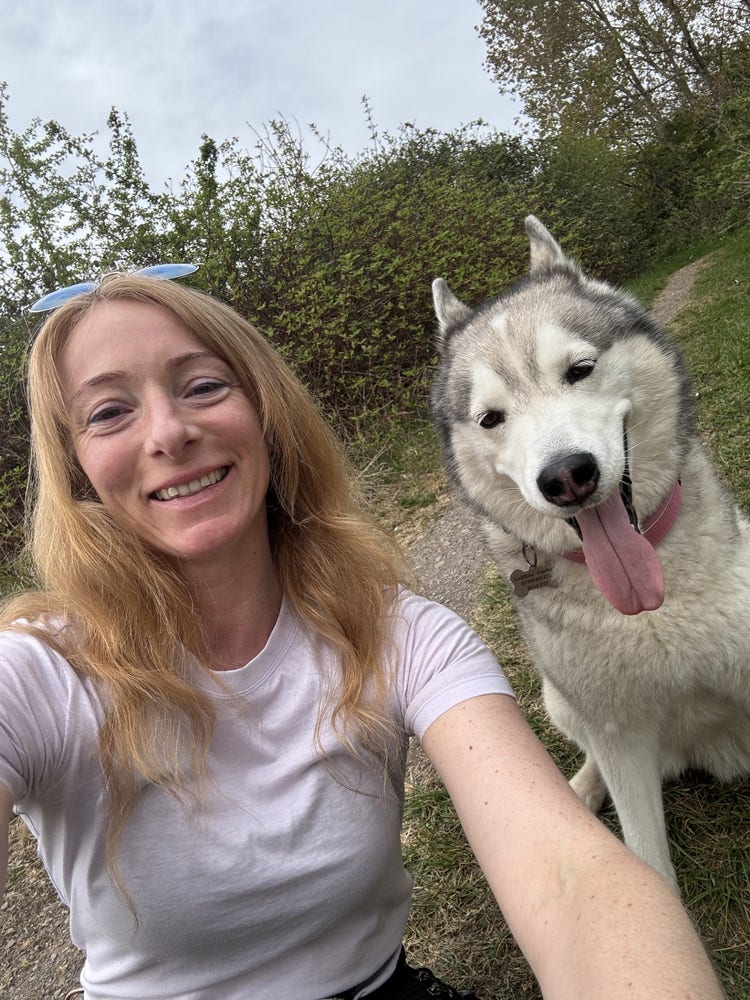
Hannah Griffiths
Senior Marketing Manager
Hannah Griffiths is the Senior Marketing Manager at Pet Drugs Online, overseeing content strategy and customer engagement initiatives. She is passionate about making pet health information accessible and easy to understand. Hannah collaborates closely with Pet Drugs Online's veterinary team, including Sarah Page-Jones, to help ensure all content is accurate, trustworthy and aligned with current veterinary best practice.