
Complete Guide to Size-Specific Dog Foods
Dogs are one of the most diverse species on the planet, from the smallest Chihuahua to the biggest Great Dane, which is why the idea of there being a one-size-fits-all dog food is ludicrous. When finding a food for your dog, there are many factors that need to be taken into account, including their breed, age, overall health, predisposed health, and more!
in this particular guide we're going to be putting size-specific dog foods under the spotlight so you can make more informed choices when it comes to your dog's diet.
What is Size-Specific Dog Food?
With such variation in dog breeds, it’s nearly impossible to provide tailored food to meet the nutritional requirements of every breed. That’s why many dog food brands tend to group their dog foods two ways:
- By age (Puppy, Adult, Senior, etc.)
- By size (Small, Medium, Large, etc.)
The size of your dog’s breed will impact their nutritional needs, including how many calories they need daily, their energy levels (although these can still vary in spite of size), and where they need support in their diet (such as joints, digestion, dental, etc.)
How Do I Know What Size My Dog Is?
You’d think knowing the size of your dog would be as simple as looking at them, but there’s a little more to it.
Their breed determines your dog’s size, and the optimal weight for their breed is according to breed standards. Dog sizes are typically split into the following weight ranges:
- Toy/Mini Breeds – up to 5kg
- Small breeds – up to 10kg
- Medium breeds – up to 25kg
- Large breeds – up to 45kg
- Giant/extra-large breeds – over 45kg
Of course, there are always exceptions to the rules, and some dogs may grow more or less than others of the same breed. This is why the only real way to understand where your dog falls size-wise is by keeping track of your dogs weight and body condition, or by speaking with your vet.
When choosing a size-specific dog food, you need to be aware of what the healthy weight for your dog’s breed is and choose the food that's fits that weight range.
Below, we delve into the key kinds of dog food by size so you can better understand the difference between them, and which would be best for your dog.

Small-Breed Dog Food (Up to 10kg)
Small-breed dog food is intended for dogs weighing up to 10kg, including Jack Russell Terriers, Pomeranians, and Dachshunds.
Generally speaking, the smaller the dog, the faster its metabolism. This means small dogs tend to need a higher calorie intake to accommodate the speed at which they burn calories. A good small-breed dog food will be calorie-dense without increasing portion size, so you can rest assured your dog is getting all the energy it needs without the risk of overfeeding.
Small dog breeds also have smaller mouths than larger dogs and require food that’s easy for them to chew. Small-breed dry foods tend to have a much smaller kibble, and small-breed wet foods are ground much finer than their larger counterparts.
Toy-Breed Dog Food (Up to 5kg)
Some dog food brands have further divided their sizes to include extra-small breed dog food, also called toy breed food or mini breed food.
Toy dog breeds are the smallest group of dogs and are categorised as weighing up to 5kg. This group includes breeds like Chihuahuas, Papillons, Yorkshire Terriers, and many more.
Extra-small breed foods pack even more energy into every bite to fuel your tiny dog’s big personality while supporting their dental health and immune systems.
What is the best small-breed dog food?
he best dog food for small breed dogs will be a complete diet that prioritises lean muscle mass and digestion, with a small kibble that your dog can easily pick up and eat without risks of choking, like in the Hill's™ SCIENCE PLAN™ Small & Mini Breed Food.
Small breed dogs also tend to live longer than their larger counterparts, with the average lifespan for small breeds stretching up to fifteen years, in some cases. This means smaller dogs could benefit from additional support for their joints, heart, and immune system to help them stay happy and healthy throughout their lives.
When looking for a good small breed dog food, take a look at the ingredients for added vitamins and minerals, including:
- Glucosamine for joint health (particularly in active breeds, or those with short legs and long spines, like Dachshunds)
- Vitamin A, C & E for vision, cell growth, organ health, and immune function.
- Vitamin D & Calcium for bone strength
- Omega-3 Fatty Acids & Taurine for heart health.
The PURINA® PRO PLAN® Small & Mini Breed Adult 1+ Everyday Nutrition is formulated with small dogs in mind. It meets each of these nutritional needs, including support for small breeds’ faster metabolism and healthy hearts.

Medium-Breed Dog Food
Medium-breed dogs may be the most varied group of dog breeds, encompassing any dog between 10kg and 25kg, including English Bulldogs, Border Collies, and even Greyhounds.
Medium breeds are a great middle ground as they don’t require more or less nutrients than smaller or larger dogs do, so you can focus instead on your dog’s unique needs. Medium-breed dog foods are formulated with just the right nutrients and calories necessary for your dog to maintain a healthy weight while offering enough energy to keep it going daily.
If your dog fits in the medium-sized breed category, then you’re spoilt for choice as far as medium breed foods, like the Hill's™ SCIENCE PLAN™ Medium Breed Dry Dog Food, as well as variations to suit your dog’s unique needs.
For example, suppose you have a medium-breed dog predisposed to obesity, like Beagles or certain Spaniels. In that case, you can choose a weight management medium-breed food like the ROYAL CANIN® Medium Breed Adult Light Weight Care Dry Food.
Or suppose your dog has a sensitive stomach, in which case, you can choose a medium-breed digestion food with added prebiotics to support their gut microflora, like the PURINA® PRO PLAN® Medium Breed Sensitive Digestion Dry Dog Food.
What is the best dog food for Medium Breeds?
When choosing the best medium-breed food for your dog, you need to take into account your dog’s individual breed and energy levels. While a standard medium-breed food can meet most of their nutritional needs day-to-day, looking for a more tailored medium-breed food could make all the difference.
For example, border collies are medium breeds but also working dogs, bred specifically for their intelligence, focus, and high-energy levels. As such, a standard medium breed food might not suffice, so choosing a working dog-specific food, like the Burns Active Working High-Energy Dry Dog Food, may be more appropriate.
You should also consider your dog’s overall health and any conditions they might be susceptible to. For example, English Bulldogs may be prone to a few health issues, including skin fold dermatitis and allergies, so could benefit from a hypoallergenic medium breed food like the Hill's™ SCIENCE PLAN™ No Grain Medium Breed Hypoallergenic Dog Food or a medium breed food for sensitive skin like the PURINA® PRO PLAN® Medium Breed Sensitive Skin Dry Dog Food.
Regardless of the medium-breed dog food you choose for your dog, you can still tailor their diet to their unique needs by introducing dog supplements to support their joints, skin, digestion, and more!
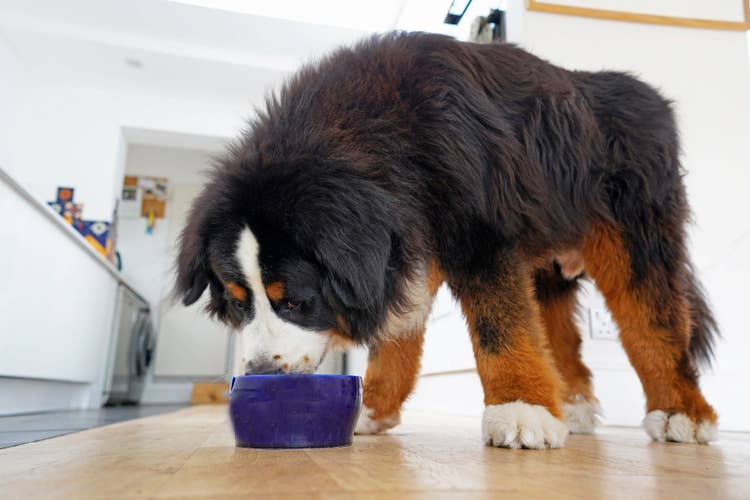
Large-Breed Dog Food
The last main group for size-specific food is for large dogs, which covers all dogs over 25kg, including English Mastiffs, Labrador Retrievers, and Dalmatians.
Large-breed dogs may take longer than 12 months to become adult dogs because they have so much growing to do. Even when they are, their bigger bodies need a little more support to stay functioning properly. This is where large-breed dog foods come into play.
A good large breed dog food is packed with additional glucosamine & chondroitin, like the Hill's™ SCIENCE PLAN™ Large Breed Dry Dog Food, to help support optimal joint function as larger dog breeds tend to be prone to joint problems, especially as they age.
Large breed dogs may also risk suffering from bloat (also called gastric dilatation-volvulus). In this potentially life-threatening condition, their stomach fills with gas, food, and liquid, which can twist the stomach and cut off blood flow to vital organs. This is why large-breed dog foods, like the Burns Large & Giant Breed Dry Dog Food, are formulated with highly digestible ingredients, additional prebiotics, and a larger kibble that encourages your dog to chew their food.
Giant-Breed Dog Food
While large-breed dog food tries to accommodate all dogs over 25kg, some dog breeds are big enough to need extra support. Extra-large, or giant dog breeds include any breed over 45kg, such as Great Danes, Irish Wolfhounds, Bernese Mountain dogs, and more.
Due to their size, many extra-large dog breeds have sensitive stomachs because of how long it takes for their food to travel through their digestive tract.
Because of this, a good giant-breed dog food will contain highly digestible proteins and fibres to aid digestion and additional vitamins and minerals to support bones and joints, like the ROYAL CANIN® Extra Large Breed Dry Dog Food.
What is the Best Large-Breed Food?
Finding the best large breed for your dog will depend on several factors, first and foremost, whether your dog is a large or giant breed.
As mentioned above, giant-breed dogs require even more support than smaller breeds, so they could benefit more from a giant-breed food like the Burns Large & Giant Breed Dry Dog Food with Chicken & Brown Rice.
Once you've determined the best size for your dog, it's time to consider their overall health and whether there are any predisposed health concerns to be aware of. For example, Labradors and German Shepherds are both large breed dogs that can be prone to hip and elbow dysplasia, as well as other joint issues, in which case a joint mobility-focused large breed food like the Hill's™ SCIENCE PLAN™ Large Breed Adult Healthy Mobility Dry Dog Food.
Since large-breed dogs can be more prone to certain health conditions, they may be better suited to a condition-specific diet that offers more tailored support. You should discuss this with your vet before choosing a food.
Regardless of your dog’s size, finding the best food will always be a challenge, especially if your dog has existing health conditions to consider or is fussy about food.
By choosing food specific to your dog’s size, you can offer your dog a complete diet that is more tailored to its body. However, you still need to consider your dog’s unique needs and may need to supplement their diet accordingly.
If you want to find the perfect food for your dog, shop our complete range of dog foods from industry-leading brands like Royal Canin and Hill’s Science Plan, or learn more about finding the best food in our Guide to Finding the Best Dog Food.

This post is an opinion and should only be used as a guide. You should thoroughly discuss any change to your pet’s care or lifestyle with your vet before starting any program or treatment.